-
INVICTA Group Services
chevron_left Backclose
INVICTA Group Services
- INVICTA Group
- INVICTA Clinics
- Medical Laboratories
- Fertility Bank
-
Anti-Aging Clinic
- R&D Centre
- NAMI
Update date: 27 April 2026
Publish date: 26 May 2025
Read in: 9 min
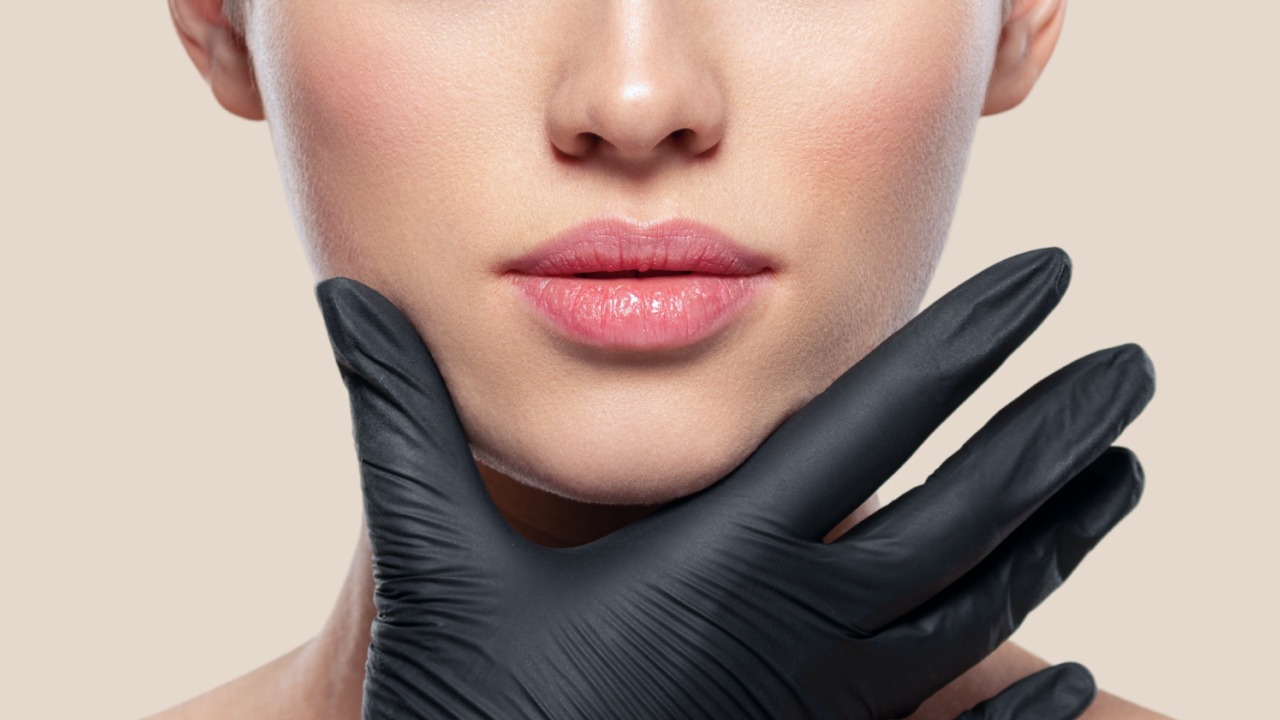
Until recently, a facelift was associated exclusively with surgery and a long recovery period. Today, patients can also choose less invasive treatments that help improve the facial contour, lift sagging skin, and reduce the signs of ageing.
Table of Contents
The term “lifting” refers to an action that improves quality or appearance. In aesthetic medicine and plastic surgery, facelift procedures have been used for years and, although the methods continue to evolve alongside the development of these fields, they still primarily involve tightening and lifting the facial skin, sometimes also partially removing excess skin.
The aim of a facelift is to improve facial features, restore the face’s natural and desired contour, and smooth wrinkles in different areas of the face.
Facelift procedures are used in particular by female and male patients with a less defined facial contour and mature skin that has visibly lost its youthful density and firmness. These treatments also help in cases of loose skin accumulating around the jawline and/or chin, the brow arches, and the corners of the eyes and mouth. In some cases, a face and neck lift is also performed in patients who have had an accident, suffered burns, or undergone skin grafts.
Facial lifting treatments can be divided into invasive and non-invasive procedures.
Invasive treatments involve breaking the continuity of the skin or interfering with deeper tissues. They may include incisions, injections, or the removal of tissue fragments. They more often require anaesthesia and a healing period.
Non-invasive treatments do not disrupt the continuity of the skin or tissues. They do not require the use of a scalpel, incisions, or injections. They are usually less demanding on the body and either require no recovery period or only a very short one.
One form of facial lifting is a surgical procedure that has been successfully used for years and requires significant intervention in the skin tissue. It delivers spectacular results, but also requires the patient to undergo a fairly long and often demanding recovery period. For this reason, aesthetic medicine specialists have also developed several other, less invasive lifting treatments. These usually do not provide results as dramatic as a surgical facelift, but they still deliver excellent effects and do not force the patient to give up their everyday activities for some time after the procedure.
Sprawdź, co możemy dla Ciebie zrobić.
A facelift is most commonly associated with a plastic surgery procedure — specifically, surgical skin incisions made in an “upward and backward” direction. The plastic surgeon makes incisions along the hairline, at the temples, behind and in front of the ears, and then repositions the skin to restore the desired facial contour. Most often, the surgeon also separates the excess skin and then removes it.
To rejuvenate the face, it is not always necessary to choose a full surgical facelift. In many cases, less extensive procedures tailored to a specific area can provide very good, natural-looking results.
Eyelid surgery can restore a fresh, rested appearance to the eyes; a brow and forehead lift can lift sagging tissues and smooth the upper part of the face; and a chin and neck lift can effectively improve the contour and tension of the lower facial areas.
Correction of a specific part of the face can have a positive effect on its overall appearance. You can achieve visible rejuvenation, while benefiting from a procedure performed under local rather than general anaesthesia, often with a shorter recovery period.
There comes a point when at-home skincare is no longer enough to keep the complexion in good condition, and visible effects of skin density loss and collagen fibre breakdown begin to appear. These include a disturbed facial contour, loose skin accumulating around the jawline, or drooping corners of the eyes, which make the face look older and give it a sad expression.
Fortunately, aesthetic medicine makes it possible to address these signs of ageing in the face and neck. Various forms of facial contouring — a facelift without a scalpel — are highly popular among patients.
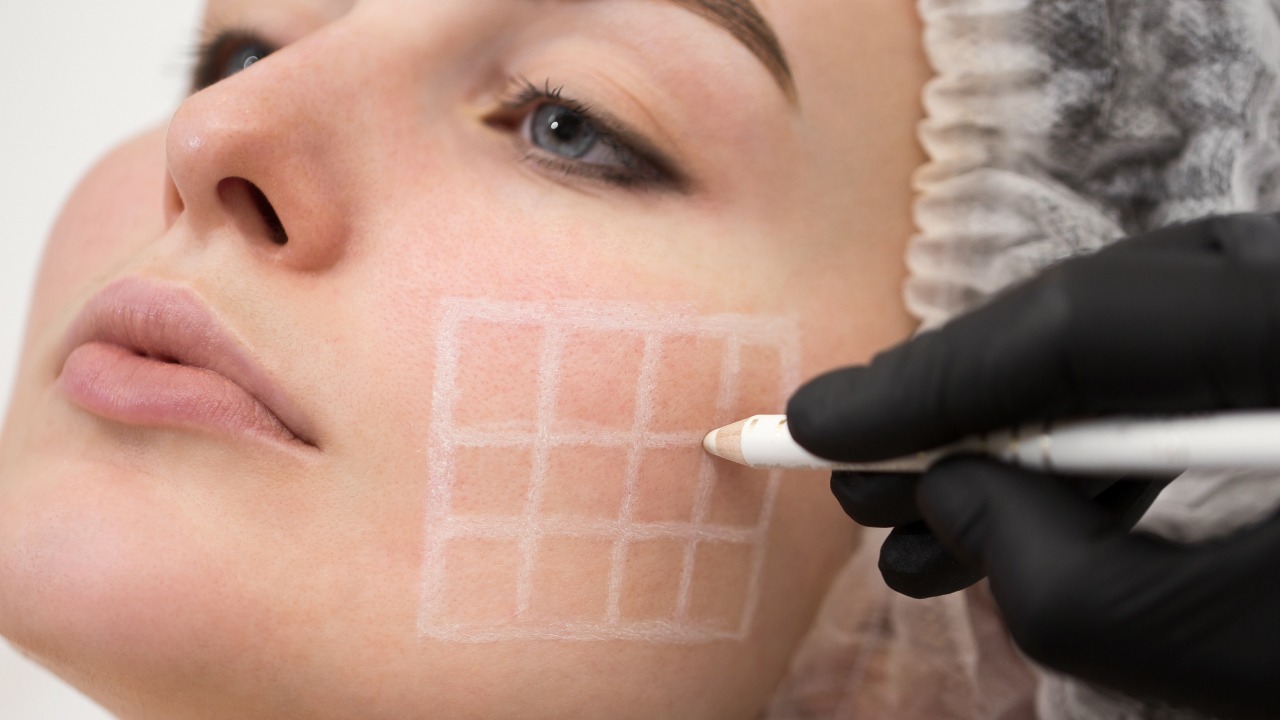
A PDO thread facelift is one of the most effective non-surgical facial treatments, using polydioxanone threads. The specialist inserts several threads into both sides of the face or, for example, into the chin area, and uses them to lift and contour the facial features in the desired way.
Lifting threads are made of a fully bioabsorbable substance that has been used in medicine for many years. Polydioxanone stimulates the tissues to increase collagen and elastin production, ensuring that the face continues to improve for several weeks after the PDO thread lift is performed. The procedure is carried out under local anaesthesia.
A PDO thread lift does not have to involve the entire face, but only selected areas. Patients appreciate, among other things, a subtle lift of drooping brow arches.
The only negative effects of the procedure that the patient may experience during recovery are bruising and mild swelling.
Facial volumetry involves injecting a special, denser form of hyaluronic acid into the deeper layers of the skin. It can be applied to selected areas of the face, with particular focus on those where tissue volume loss has occurred.
Volumetry makes it possible to lift sagging cheeks, contour the jawline and chin, reduce the so-called “tear trough” (the hollow between the eye and the cheek), and smooth smaller wrinkles. The procedure is performed under local anaesthesia, which almost completely reduces discomfort.
The results of facial volumetry usually last around 18 months, and recovery mainly involves waiting for any bruising in the injected areas of the face to disappear.
It is always important to remember that any intervention involving the skin may place too much strain on the body or carry a risk of unwanted side effects. That is why an experienced doctor should assess which type of facelift will be most effective for you. During a detailed consultation, the specialist will take your expectations and needs into account and rule out any possible contraindications.
Talk to a doctor today.
For a surgical facelift, which is the most invasive method and is performed under general anaesthesia, contraindications include, among others:
For a less invasive volumetric facelift, contraindications may include:
PDO thread lifting, on the other hand, cannot be performed in people suffering from an infection or other skin conditions on the face.
Qualification for each procedure is always decided by the attending doctor.

Read more