-
INVICTA Group Services
chevron_left Backclose
INVICTA Group Services
- INVICTA Group
- INVICTA Clinics
- Medical Laboratories
- Fertility Bank
-
Anti-Aging Clinic
- R&D Centre
- NAMI
Lipotransfer, also known as autologous fat grafting, is a well-established aesthetic procedure that allows for natural and safe contouring of selected facial areas or restoring volume in the labia.
It’s an excellent alternative to traditional fillers like hyaluronic acid, especially for those who prefer treatments based on the body’s own regenerative resources.
Podaj dane potrzebne do przedstawienia oferty cenowej na zabieg:
Perceptibility
Duration
60-120 min
Recovery time
14 days
Number of treatments in a series
1
Lipotransfer is recommended for individuals who want to:
The procedure is suitable for both women and men who value subtle, natural-looking results.
STEP I: Local anesthesia
STEP II: Insertion of a cannula through a small incision
STEP III: Fat harvesting from the donor area
STEP IV: Lipotransfer – injection of purified fat into the target area
Lipotransfer is not performed in individuals with active infections, pregnant or breastfeeding women, or patients with blood clotting disorders.
The procedure is also contraindicated during ongoing cancer treatment and in cases of uncontrolled chronic conditions such as diabetes or hypertension.
Each case requires individual evaluation by the treating physician.
We will call you back to arrange a convenient date for you
meet our expert


The effects of lipotransfer may last for up to 2 years, provided that a stable body weight is maintained. The removed adipose tissue will not regenerate; however, with significant weight fluctuations, fat may accumulate again in other areas of the body.
Lipotransfer requires small incisions; however, they are minor (usually 2–4 mm) and made in discreet areas. With proper care and recovery, the scars become almost invisible
The first changes may be noticeable after just a few weeks, while the full effect is assessed after 2–3 months, once swelling has subsided and the skin has adapted to the new shape.
In the first few weeks after the procedure, part of the transplanted fat may be naturally absorbed. The remaining portion integrates with the tissues and provides a long-lasting filling effect. The doctor takes this process into account when planning the graft volume.
Yes, lipotransfer is considered a safe procedure because it uses the patient’s own tissue, which minimizes the risk of allergic reactions. However, proper medical qualification and the doctor’s experience are crucial.
From 550,00 PLN
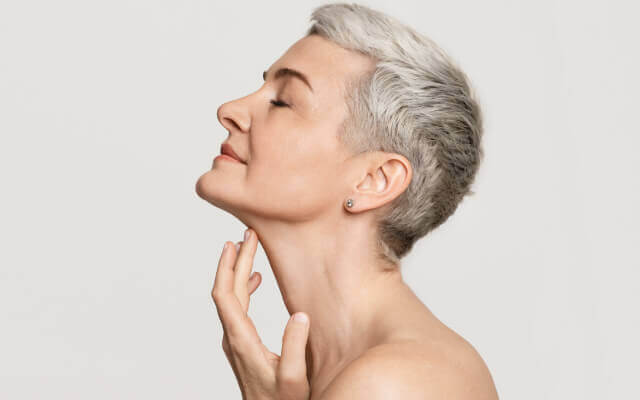
Needle-free radiofrequency stimulates collagen production, improves skin elasticity and density. The result? Natural rejuvenation without pain.

From 400,00 PLN
Pain-free, no-downtime skin rejuvenation. It smooths wrinkles, boosts elasticity, and gives your skin a healthy, radiant glow.
From 280,00 PLN
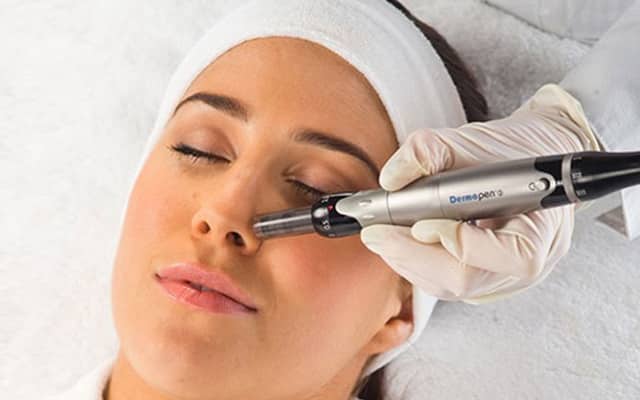
The Dermapen 4.0 treatment is an innovative way to rejuvenate and improve skin condition through minimally invasive microneedling.
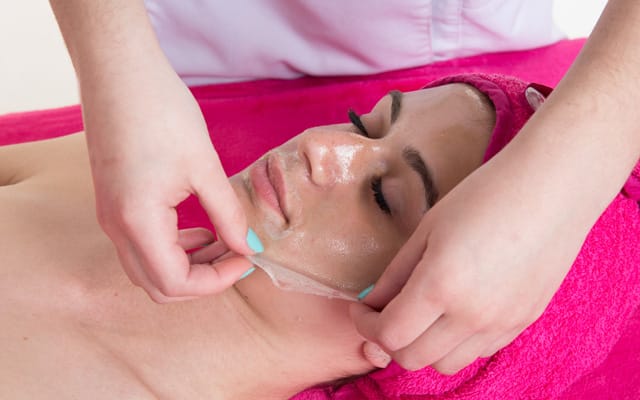
From 400,00 PLN
Anti-aging peels effortlessly smooth fine lines and wrinkles, reduce age spots, and rejuvenate skin with visible imperfections. They promote deep renewal, restoring a more youthful, even-toned, and radiant complexion.
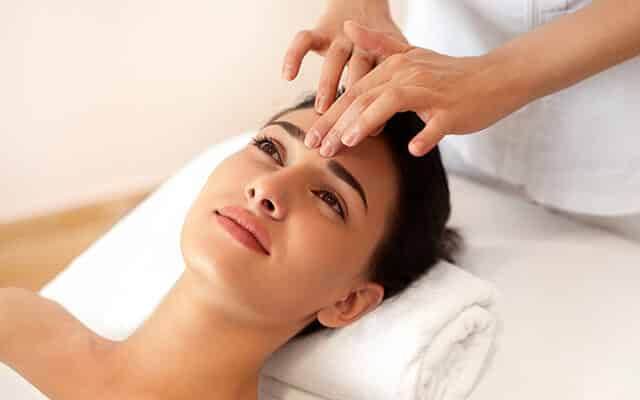
From 300,00 PLN
Kobido Massage at INVICTA Clinic – Natural Facelift Without Needles
It rejuvenates, firms the skin, and helps reduce muscle tension and facial puffiness.
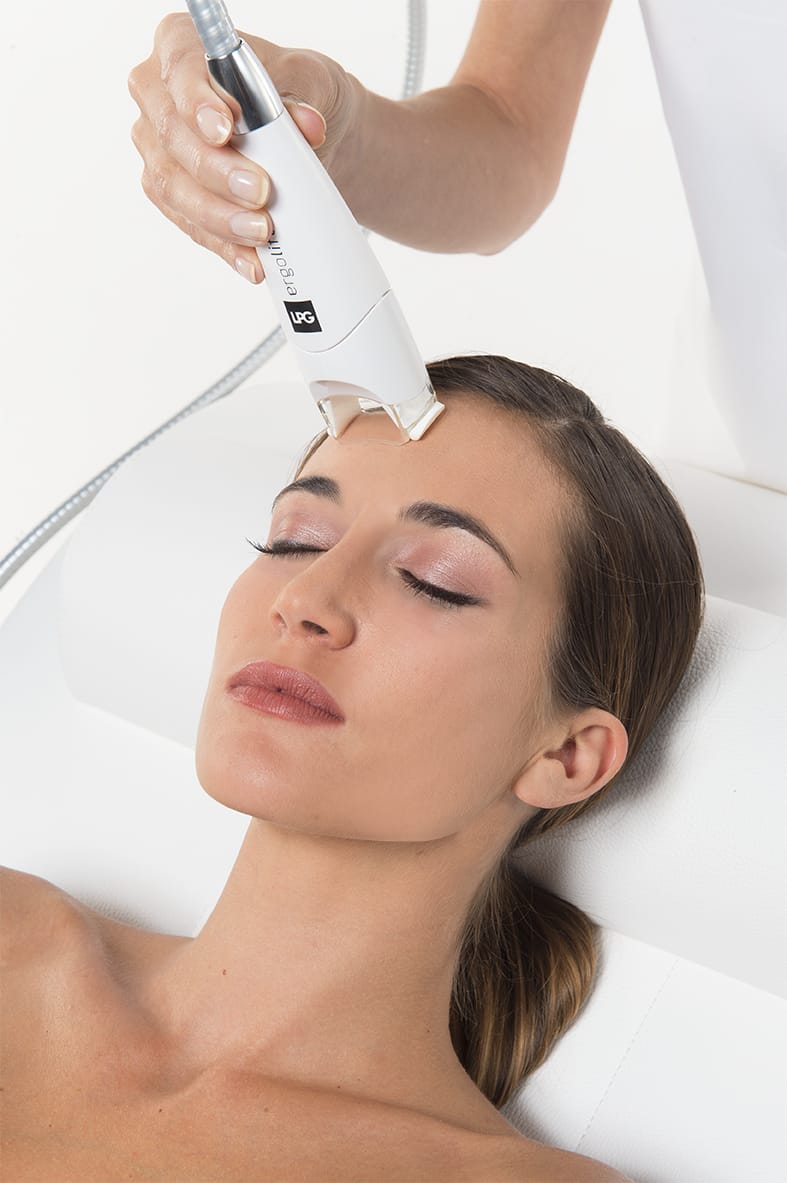
From 230,00 PLN
Endermolift – a non-invasive, natural facelift treatment that boosts collagen production, smooths out wrinkles, firms the skin, enhances radiance, and detoxifies.
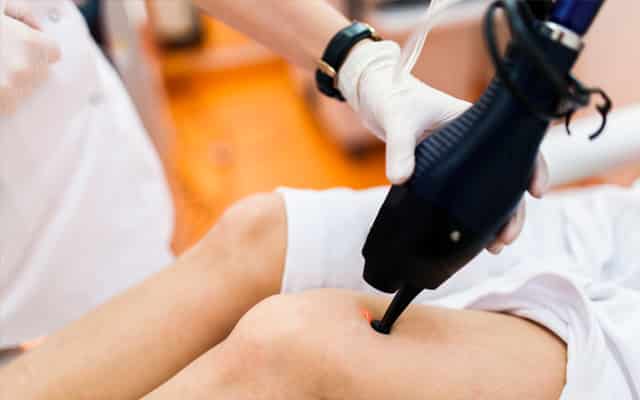
From 200,00 PLN
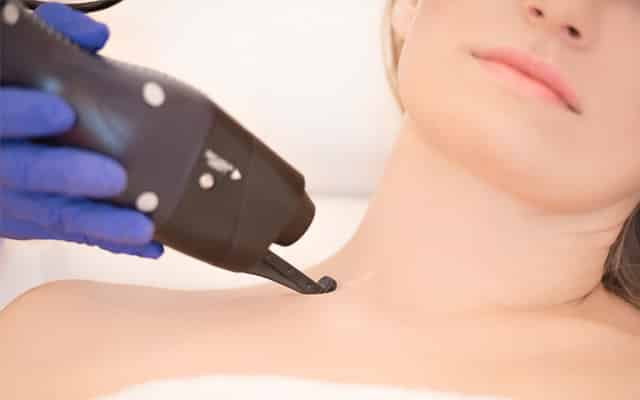
Laser therapy is an effective way to treat skin discoloration.
The laser light targets and corrects pigment spots, helping to restore a more even and uniform skin tone.
From 650,00 PLN
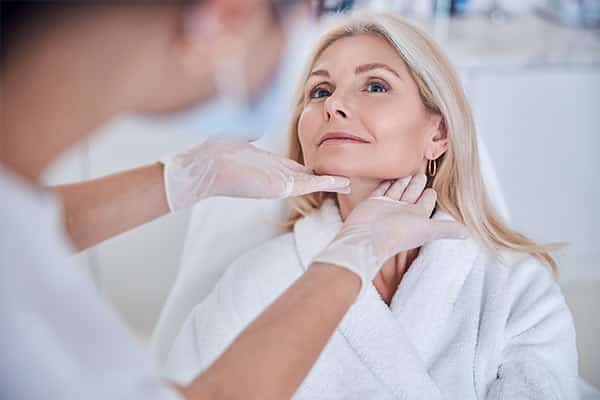
CO2 laser skin rejuvenation is a highly effective treatment for smoothing out imperfections and addressing the first visible signs of aging.
From 400,00 PLN
Botox is your go-to solution for reducing expression lines on the forehead, around the eyes, nose, and lips

From 1200,00 PLN
Biostimulators are specialized products used in anti-aging treatments.
From 900,00 PLN
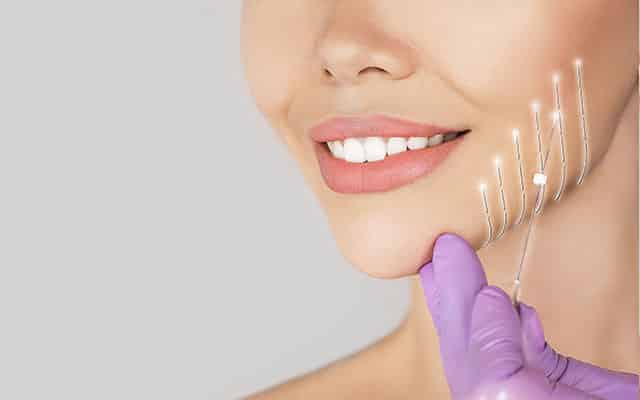
PDO threads provide a non-surgical lift and skin revitalization—firmness, smoothness, and natural rejuvenation in just 60 minutes!

1500,00 PLN
Lift-Booster Firming Mesotherapy is an advanced aesthetic treatment designed to deeply regenerate and hydrate the skin.

From 700,00 PLN
Mesoskin is INVICTA’s signature PRP mesotherapy method — a proprietary treatment protocol developed in our own laboratory.
From 800,00 PLN
The goal of platelet-rich fibrin (PRF) mesotherapy is to stimulate the skin’s natural regeneration processes. The treatment activates collagen production and cellular renewal, leading to visibly healthier, more radiant skin.
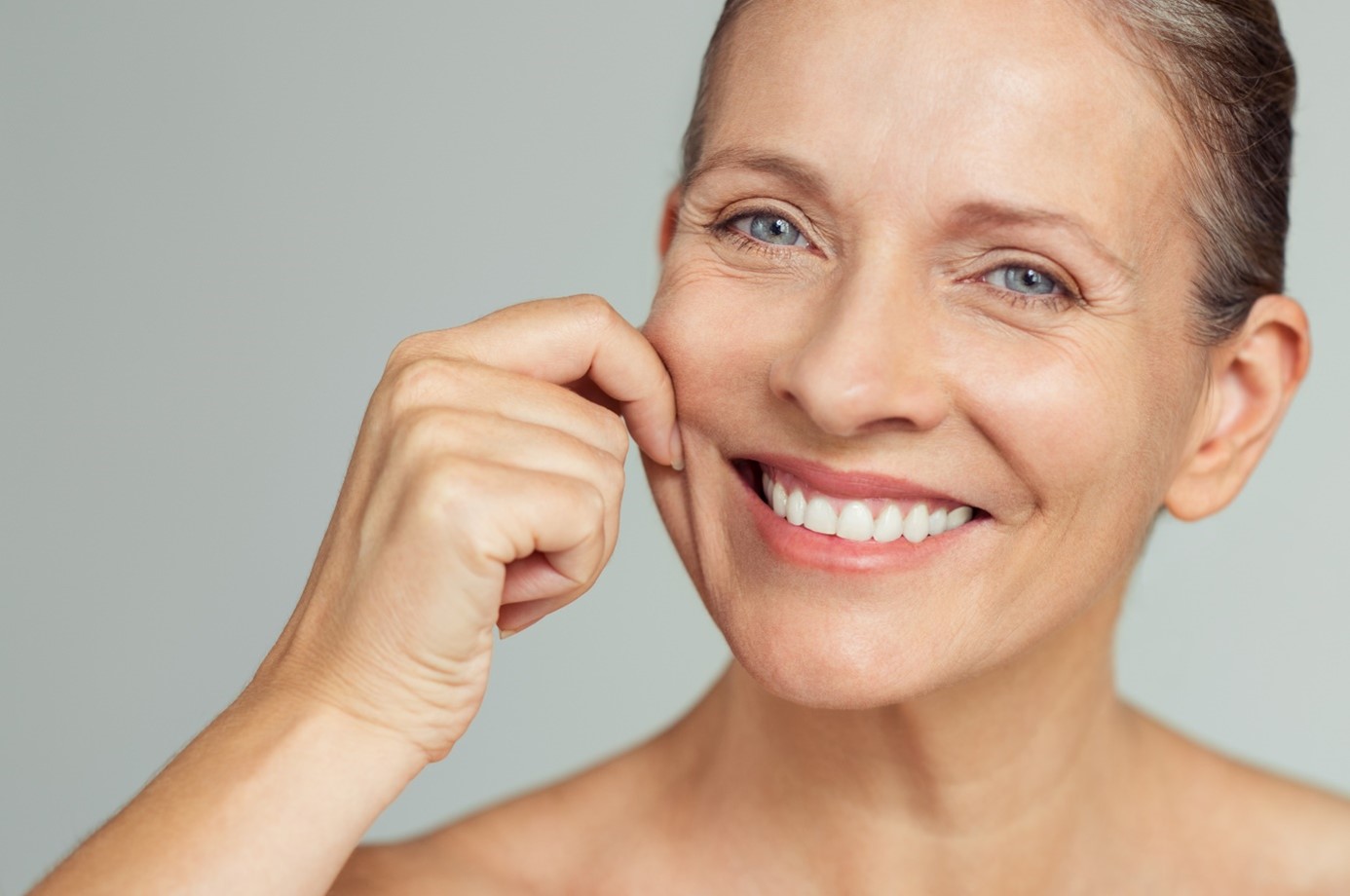
From 650,00 PLN
Anti-Aging Mesotherapy stimulates skin regeneration and helps prevent the signs of aging.
It features a powerful blend of 59 revitalizing ingredients.
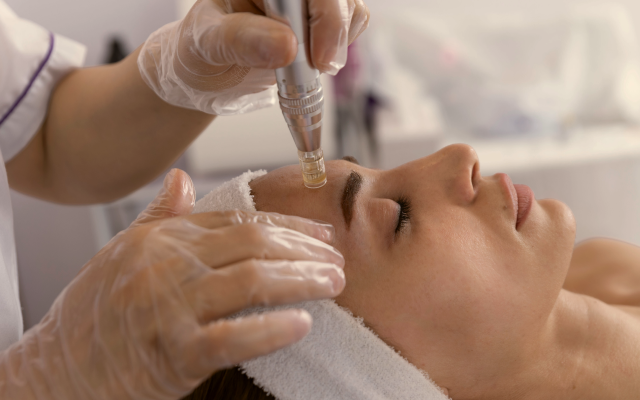
From 600,00 PLN
Revitalizing mesotherapy is a treatment designed for those whose skin needs deep hydration and nourishment. It's suitable for patients of all ages and helps improve skin tone, texture, and overall radiance.
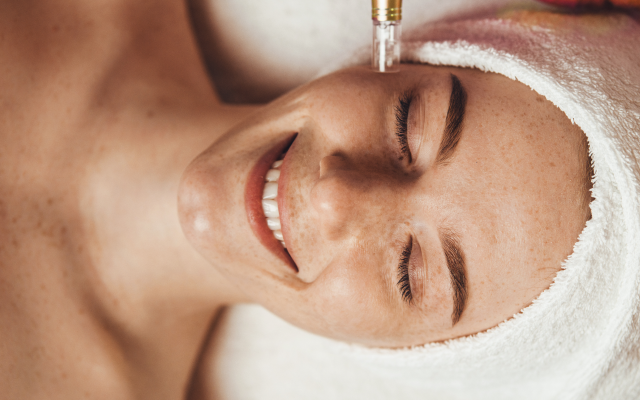
1000,00 PLN
Hydrating mesotherapy, rich in hyaluronic acid, is an ideal solution for mature skin showing signs of dehydration.
From 700,00 PLN
Radiofrequency is a non-invasive treatment designed to improve skin firmness, smooth out scars and age spots, and visibly reduce the appearance of stretch marks.