-
INVICTA Group Services
chevron_left Backclose
INVICTA Group Services
- INVICTA Group
- INVICTA Clinics
- Medical Laboratories
- Fertility Bank
-
Anti-Aging Clinic
- R&D Centre
- NAMI
Hypertrophic scar and keloid treatment is a specialised medical approach designed to reduce excessive scar tissue growth. It involves selecting the most appropriate treatment methods to help stop the scar from continuing to grow, while making it flatter and softer. The aim of treatment is also to reduce redness, itching, pain, and the feeling of tightness, while improving skin elasticity and overall comfort. In the case of scars that restrict movement or cause discomfort, treatment may also help restore normal tissue function. Treatment does not always result in complete scar removal. However, it usually makes the scar significantly less visible and noticeably improves the appearance and texture of the skin.
Podaj dane potrzebne do przedstawienia oferty cenowej na zabieg:
Perceptibility
Duration
15-30 minutes
Recovery time
3 days
Number of treatments in a series
3-6
STAGE I: Consultation and Qualification for Treatment
STAGE II: Treatment
The most commonly used method involves injecting medication directly into the scar using a fine needle. The medication works locally to stop excessive scar tissue growth, allowing the scar to gradually become softer, flatter, and less visible.
Depending on the type and appearance of the scar, your doctor may also recommend:
STAGE III: Scheduling a Follow-Up and Next Appointment
Hypertrophic scar and keloid treatment:
Hypertrophic scar and keloid treatment should not be performed:
We’ll call you back to arrange an appointment at a time that suits you.
Specjalista o zabiegu

In older medical textbooks, the terms “hypertrophic scar” and “keloid” were often used interchangeably. Today, however, it is known that they are two different types of abnormal skin healing.
A hypertrophic scar usually develops shortly after an injury or procedure. It is pink, raised, and thickened, but remains within the boundaries of the original wound. It contains fewer abnormal blood vessels and, over time, may fade and partially flatten on its own.
A keloid, on the other hand, may develop long after the wound has healed. It is more heavily supplied with blood vessels and has a tendency to grow beyond the borders of the original skin injury, extending into healthy tissue. Without treatment, a keloid usually does not go away and may continue to grow to an unpredictable size.
Complete removal of a hypertrophic scar or keloid is not always possible. The main aim of treatment is to flatten and soften the scar, reduce redness, and relieve symptoms such as itching, pain, and tightness. Treatment is also designed to stop the scar from continuing to grow. In many cases, it can lead to a significant improvement in both appearance and overall comfort.
Treatment for hypertrophic scars and keloids usually requires a series of 3 to 6 sessions performed approximately every 4 weeks. The exact treatment plan is determined individually during the consultation and depends on the type, size, location, and age of the scar.
The first results – such as a flatter scar, reduced redness, and less itching – are often noticeable around 2 weeks after the first treatment. However, the full improvement usually requires a series of treatments.
The treatment usually causes only mild discomfort. Most patients experience a brief stinging, burning sensation, or a feeling of pressure at the injection site. These symptoms typically subside quickly once the injection is complete.
Yes – Caesarean section scars are one of the most common reasons for treatment. Therapy can usually begin once breastfeeding has ended and the scar has stabilised. During the consultation, the doctor will assess whether the tissue is ready for treatment and then recommend the most suitable method.
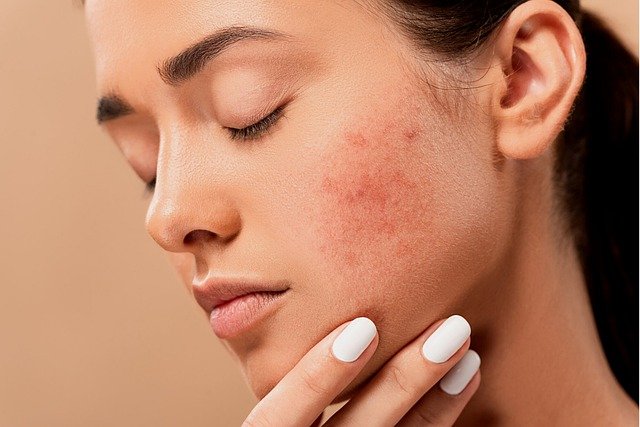
From 350,00 PLN
The laser stretch mark and scar removal procedure works by delivering controlled laser energy to the skin, which stimulates the regeneration of its deeper structures.
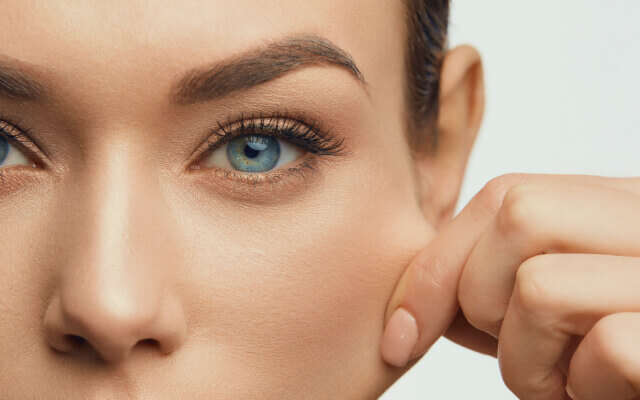
From 700,00 PLN
Radiofrequency is a non-invasive treatment designed to improve skin firmness, smooth out scars and age spots, and visibly reduce the appearance of stretch marks.
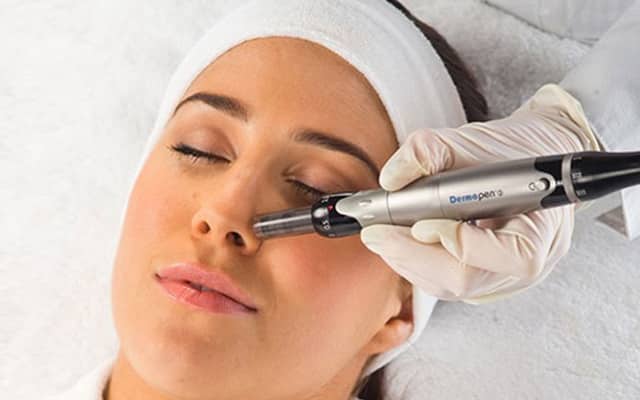
From 280,00 PLN
The Dermapen 4.0 treatment is an innovative way to rejuvenate and improve skin condition through minimally invasive microneedling.
From 450,00 PLN
Tropocollagen microneedling is an effective way to rejuvenate your skin, restoring its elasticity and youthful appearance.