-
INVICTA Group Services
chevron_left Backclose
INVICTA Group Services
- INVICTA Group
- INVICTA Clinics
- Medical Laboratories
- Fertility Bank
-
Anti-Aging Clinic
- R&D Centre
- Nami
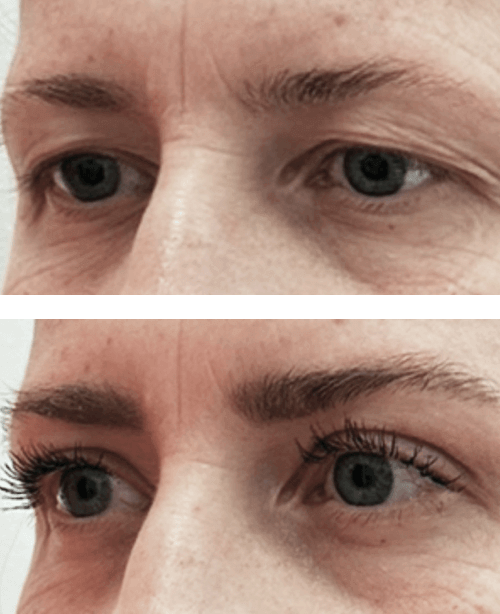
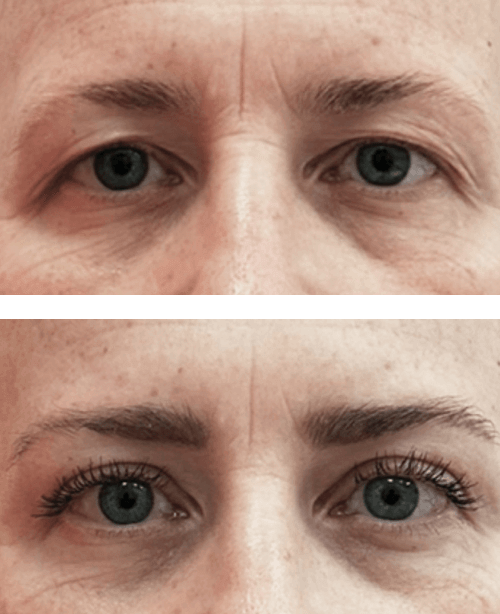
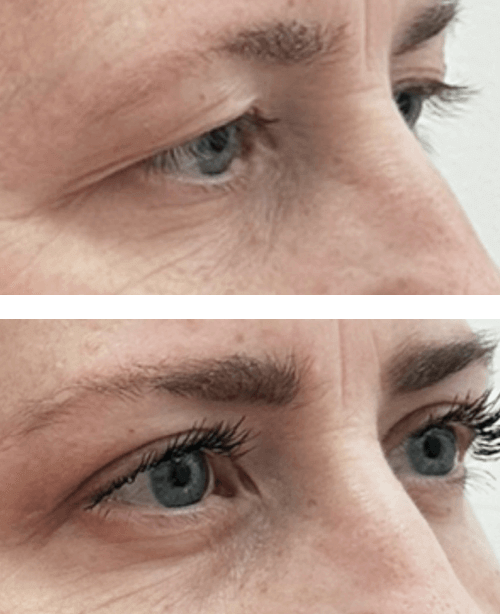
Brow and forehead lift is a procedure designed to effectively lift sagging brows, smooth forehead wrinkles, and enhance the overall appearance of the upper face. This is achieved through delicate incisions made in strategic areas—just above the brows and along the hairline at the top of the forehead.
The technique is known for its effectiveness as well as its subtle, natural-looking results.
Perceptibility
Duration
60 - 90 min
Recovery time
14 days
Number of treatments in a series
1
2 Weeks Before the Procedure:
1 Week Before the Procedure:
On the Day of the Procedure:
The brow and forehead lift is an ideal procedure for those who want to subtly yet effectively rejuvenate and refresh their facial appearance. It’s especially recommended if:
After sterile preparation of the treatment area, the specialist makes precise incisions—typically along or just behind the hairline. The underlying muscles and fat tissue are then gently repositioned to lift sagging brows and smooth out forehead wrinkles. Finally, the incisions are carefully sutured and the treated area is properly protected.
The procedure is performed under local anesthesia in a treatment room. The patient remains fully conscious and alert throughout, and no hospital stay is required.
The procedure lifts the brows to a more natural, youthful position while reducing wrinkles and improving brow symmetry. The result is a long-lasting, rejuvenated, and more refreshed facial appearance—enhancing not only your looks but also your everyday comfort and confidence.
Protect the treated area from any injury, excessive sun exposure, UV radiation, dirt, and moisture. Keep the dressings clean and change them as needed. About 7 days after the procedure, return to the clinic for a follow-up and suture removal. A final check-up should be scheduled approximately 3 months later.
We will call you back to arrange a convenient date for you
Meet Our Expert

It’s important to remember that any procedure involving a break in the skin’s surface carries the potential for side effects such as bruising, hematomas, redness, or itching. If any of these symptoms become severe or concerning, don’t hesitate to contact the Clinic — we’re here to help and support you throughout your recovery.
Contraindications for the procedure may include significant obesity, anemia, and any inflammatory conditions in the body, particularly those affecting the facial area. Acute infections, bleeding disorders such as hemorrhagic diathesis or thrombophilia, and the use of anticoagulant or antiplatelet medications—such as Xarelto, Pradaxa, Eliquis, acenocoumarol, warfarin (e.g. Sintrom, Warfin), or acetylsalicylic acid derivatives (Aspirin, Polocard, Acard)—can also prevent the procedure from being safely performed. Other factors include smoking, uncontrolled diabetes, poorly managed high blood pressure, flare-ups of chronic illnesses, and active cancer or suspected malignancy. Relative contraindications include the presence of an implanted pacemaker or cardioverter/defibrillator, pregnancy, breastfeeding, and the use of heparin or its derivatives (e.g. Fragmin, Clexane, Fraxiparine, Neoparin). It is essential to inform your doctor of any medical conditions or medications that may affect your suitability for the procedure.
Yes, depending on your individual needs and the severity of your concerns, there are several alternatives to a surgical brow and forehead lift. Non-surgical options may include botulinum toxin (Botox) injections to relax forehead muscles and subtly lift the brows, dermal fillers to restore volume, or thread lifting for a temporary lifting effect. However, these methods typically offer less dramatic and shorter-lasting results compared to surgery. Your specialist will help determine the most appropriate treatment based on your goals and medical condition.

From 5000,00 PLN
Looking to get rid of a double chin and restore a more youthful appearance?
A chin lift treatment is the perfect solution!
From 4000,00 PLN
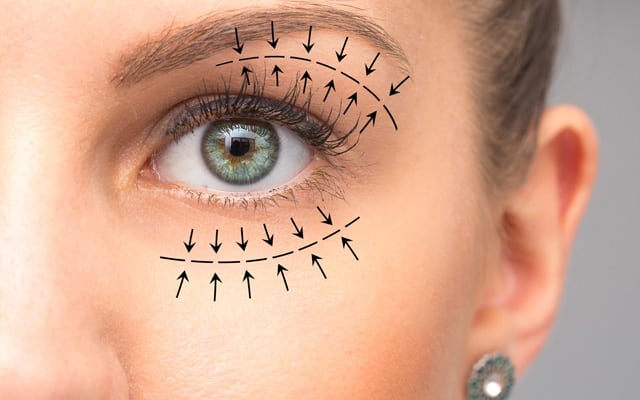
Blepharoplasty, also known as eyelid surgery, is a surgical procedure designed to rejuvenate the eye area and enhance the field of vision.

From 4500,00 PLN
Lip lift – a surgical procedure that lifts the lips without the use of fillers.
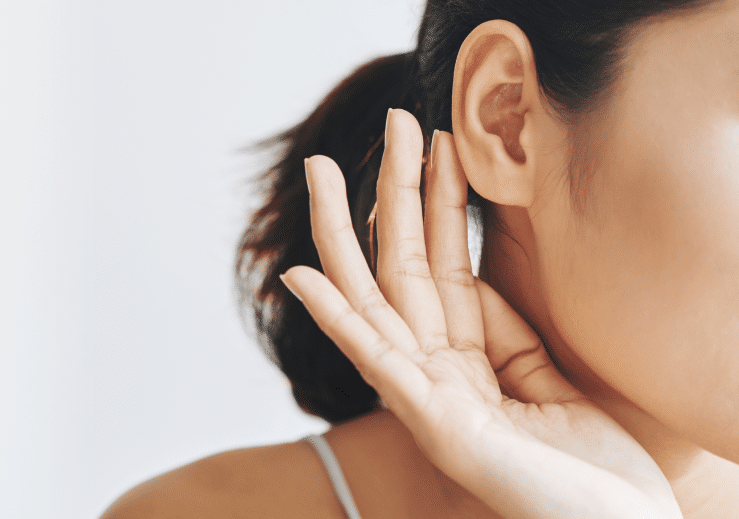
From 2000,00 PLN
Otoplasty is a procedure that effectively improves the shape and position of the ears, restoring a natural and symmetrical appearance.