-
INVICTA Group Services
chevron_left Backclose
INVICTA Group Services
- INVICTA Group
- INVICTA Clinics
- Medical Laboratories
- Fertility Bank
-
Anti-Aging Clinic
- R&D Centre
- NAMI
Fact checked by: lek. Iwona Cimaszkiewicz
Update date: 24 July 2026
Publish date: 26 May 2025
Read in: 10 min
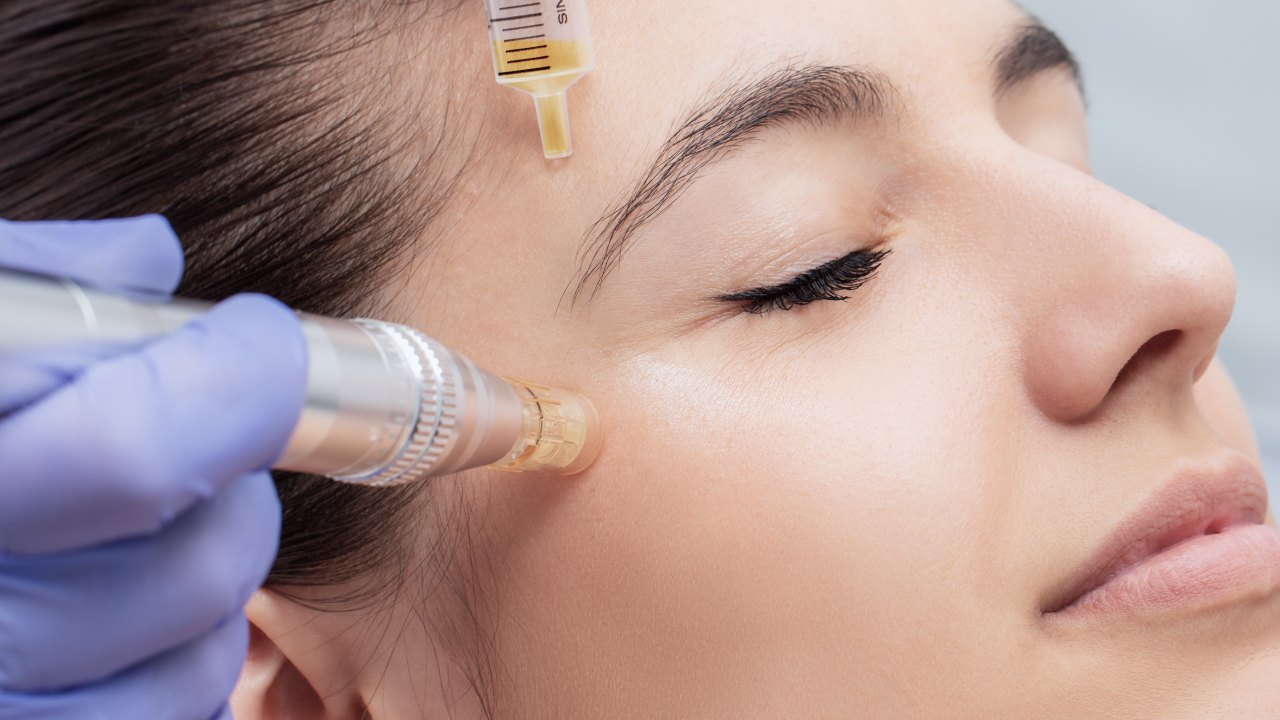
Under-eye wrinkles are one of the earliest signs of skin ageing, and they can start to appear as early as in your 30s. Find out why the delicate skin in this area of the face ages faster and discover at-home and professional methods for removing under-eye wrinkles.
Table of Contents
Crow’s feet, dark circles, and loose skin can make the entire face look tired and older. Where do wrinkles in this area come from, and what contributes to their formation?
The skin around the eyes is delicate and thin. It is only about 0.5 mm thick. This is almost four times thinner than the skin on other areas of the face. It is also characterised by a small number of sebaceous glands and a less dense distribution of collagen and elastin fibres.
As a result, the skin under the eyes has significantly fewer resources that, among other things, naturally lubricate it, provide a protective layer, and support elasticity. This is why this area is more vulnerable to internal and external factors that cause signs of ageing, such as wrinkles around the eyes and expression lines, to become visible.
Wrinkles are also encouraged by intense facial expressions. Everyday emotions, smiling, squinting in the sun, or involuntary muscle tension during stress or concentration are natural reflexes that lead to the appearance of crow’s feet.
At first, expression lines under the eyes are visible only during a specific facial movement — for example, under-eye wrinkles when smiling. Over time, however, repeated facial muscle movements contribute to these lines becoming deeper and permanently visible.
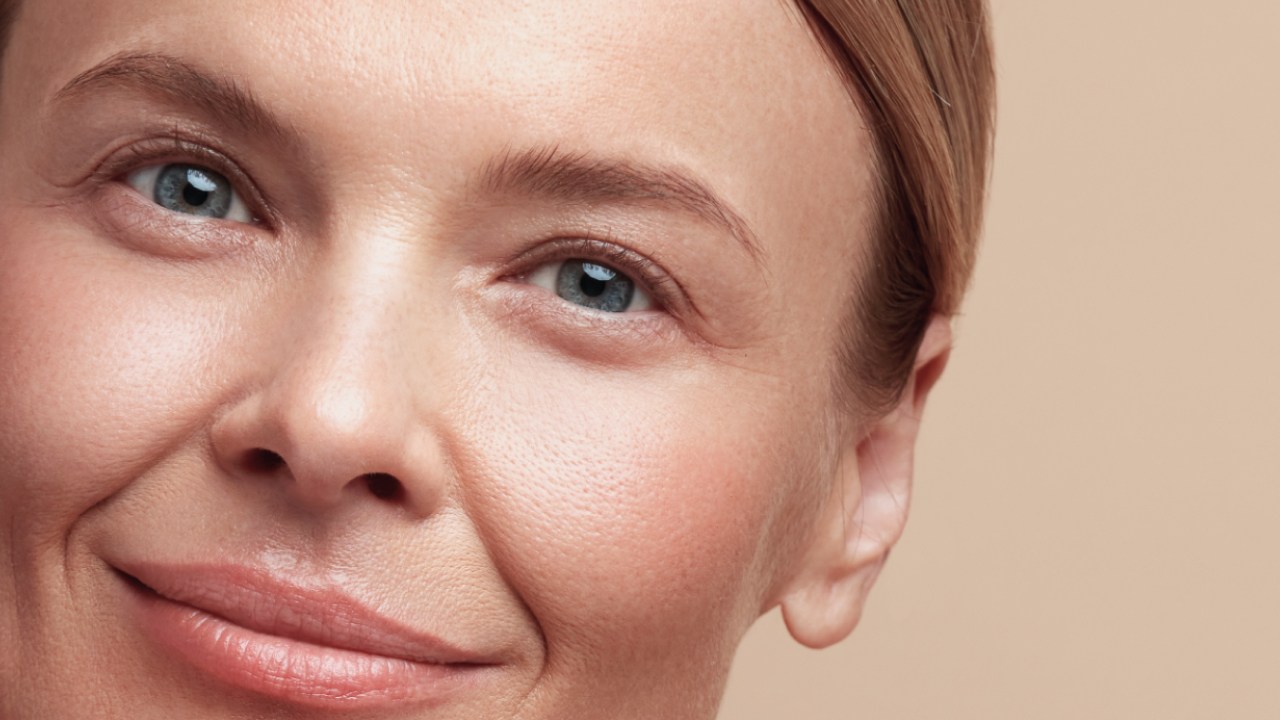
How quickly the skin ages is also influenced by factors such as:
Unfortunately, the progressive skin ageing process cannot be stopped, but its effects can be delayed. Daily, properly selected skincare helps keep the complexion in good condition for as long as possible. What is worth focusing on?
One of the most common mistakes made during a daily skincare routine is mechanically rubbing and stretching the skin around the eyes while removing makeup, washing the face, or applying skincare products. This delicate, thin skin then becomes prone to microdamage, which can result in laxity and the appearance of crow’s feet.
It is worth caring for the skin around the eyes slightly differently than for the rest of the face. Creams designed for this sensitive area have a lighter texture and lower concentrations of active ingredients, which helps prevent irritation. Products intended specifically for the under-eye area moisturise and strengthen the skin while helping to maintain its elasticity.
Discover professional treatments at the INVICTA Anti-Aging Clinic.
In your daily skincare routine for the eye area, you should also remember to support its condition from within. How can you do this? The best approach is to lead a healthy lifestyle, especially by following a balanced diet that provides the body with essential vitamins and minerals, and by staying properly hydrated. It is also worth avoiding alcohol and other stimulants, as they often cause lymphatic stagnation. This is a situation in which lymphatic fluid does not circulate properly in the tissues and begins to accumulate, leading to issues such as under-eye puffiness.

Frequent squinting can contribute to the formation of crow’s feet and expression lines. If you notice that you often squint, it is worth having your eyesight checked by an ophthalmologist — the cause may be, for example, short-sightedness.
Kobido massage, often referred to as a non-invasive facelift, is also invaluable in preventing crow’s feet and maintaining the skin in good condition. Specially selected manual techniques improve lymphatic flow and subcutaneous microcirculation, reduce tension, and improve skin firmness and overall complexion quality.
At-home methods for fine lines under the eyes can slow down the ageing process, improve hydration, and enhance the overall appearance of the skin, but they will not remove deeper wrinkles. They work well as prevention or for very early signs of ageing.
Visible under-eye wrinkles usually require aesthetic medicine treatments, which deliver much better results and are able to smooth them effectively. That is why specialist treatments are most often chosen by patients who already have their first wrinkles and want visible rejuvenation of the eye area.
Professional procedures can help eliminate under-eye wrinkles, as well as address other concerns that make the entire face look older and constantly tired.
If you struggle with dark circles and puffiness under the eyes, sagging eyelid skin, or a less defined eye area, it is worth considering a properly selected aesthetic treatment. Many modern methods not only reduce under-eye wrinkles, but also improve skin tension and the overall appearance of this delicate area. A thorough consultation with a cosmetologist or doctor will help select a treatment that can deliver the best possible results. It is worth working with a clinic that takes an individual approach to every patient.
Mesoskin platelet-rich plasma mesotherapy is beneficial both for people whose faces are already showing the first signs of ageing and for patients with mature skin that has noticeably lost its former density and elasticity. This makes the treatment suitable, among other things, for under-eye wrinkles in women in their 40s. The procedure uses platelet-rich plasma obtained from the patient’s centrifuged blood and administered subcutaneously. The preparation stimulates natural regeneration and skin-densifying processes. The results of the treatment are very satisfying, but the procedure needs to be repeated three times at four-week intervals, and the results require patience.
Needle mesotherapy under the eyes primarily moisturises and nourishes the area treated with injections. In the eye area, it also improves microcirculation and has a rejuvenating and refreshing effect. The procedure involves the intradermal application of ampoules containing a specially formulated vitamin cocktail, which regenerates the eye area while reducing signs of fatigue.
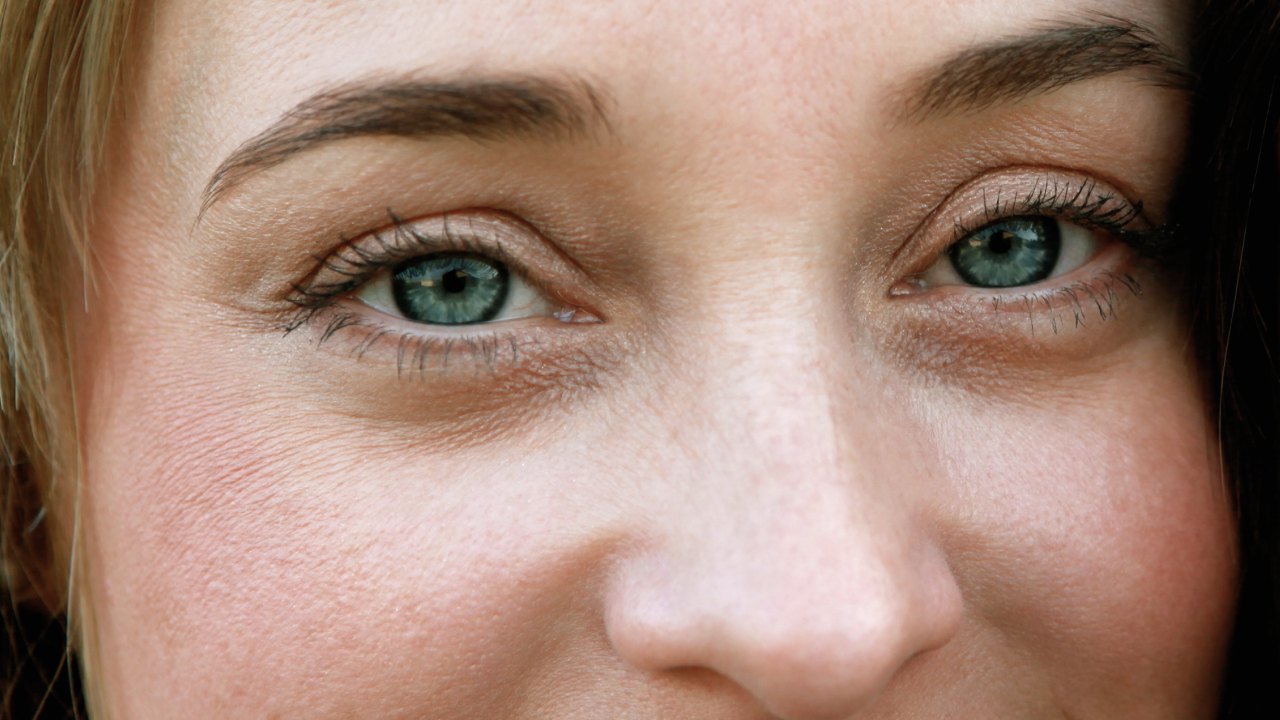
Plasma IQ is a procedure that is particularly effective at reducing fine lines. During the treatment, the skin undergoes several hundred thermal micro-injuries, which stimulate tissue regeneration and repair processes by increasing collagen and elastin production.
Fibrin mesotherapy, which involves injecting tissues with fibrin — an insoluble protein naturally found in blood plasma — is currently one of the most effective treatments for rejuvenating selected areas of the skin. A few days after the procedure, fibrin begins to regularly release type IV collagen and elastin, which regenerates and rebuilds the tissues and, as a result, reduces visible signs of skin ageing.
Not only crow’s feet can make patients lose a fresh, youthful-looking gaze. Aesthetic medicine and plastic surgery offer effective solutions for a range of other aesthetic concerns.
One example of such a procedure is blepharoplasty, which is very popular. It involves a surgical lift of drooping eyelids, which not only significantly improves the appearance of the eyes and the surrounding area, rejuvenating the entire face, but also provides therapeutic benefits, including in cases of headaches caused by excessive eye strain due to a reduced eye opening.
Many people also struggle with dark circles under the eyes, which can be reduced with hyaluronic acid used to fill wrinkles. The eyes regain a fresher appearance, and the patient no longer needs to use makeup to conceal the problem.
Another recently popular procedure is a subtle facelift with PDO threads, which can help achieve, among other things, the so-called cat-eye effect.
Book a consultation. Together, we will find the best solution.


Read more