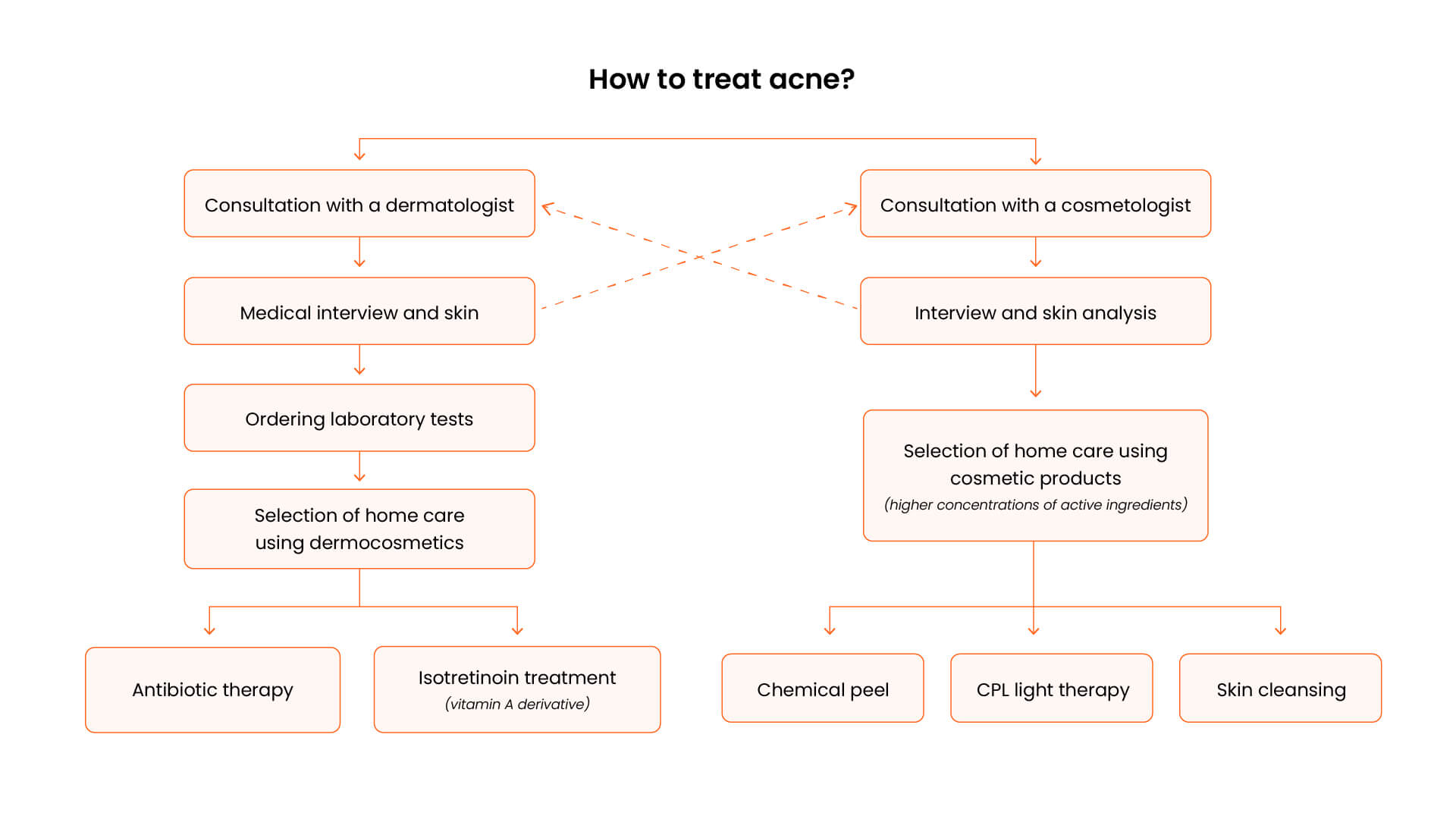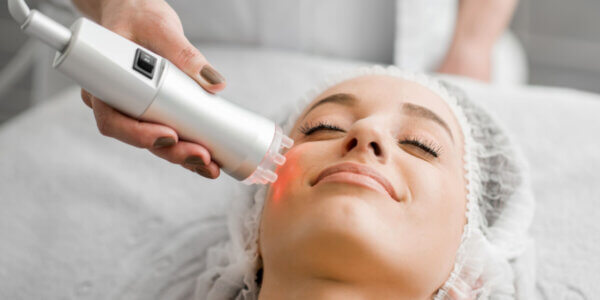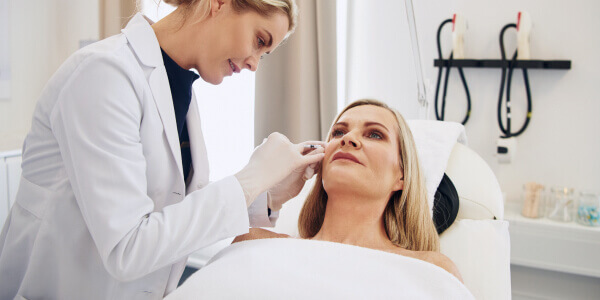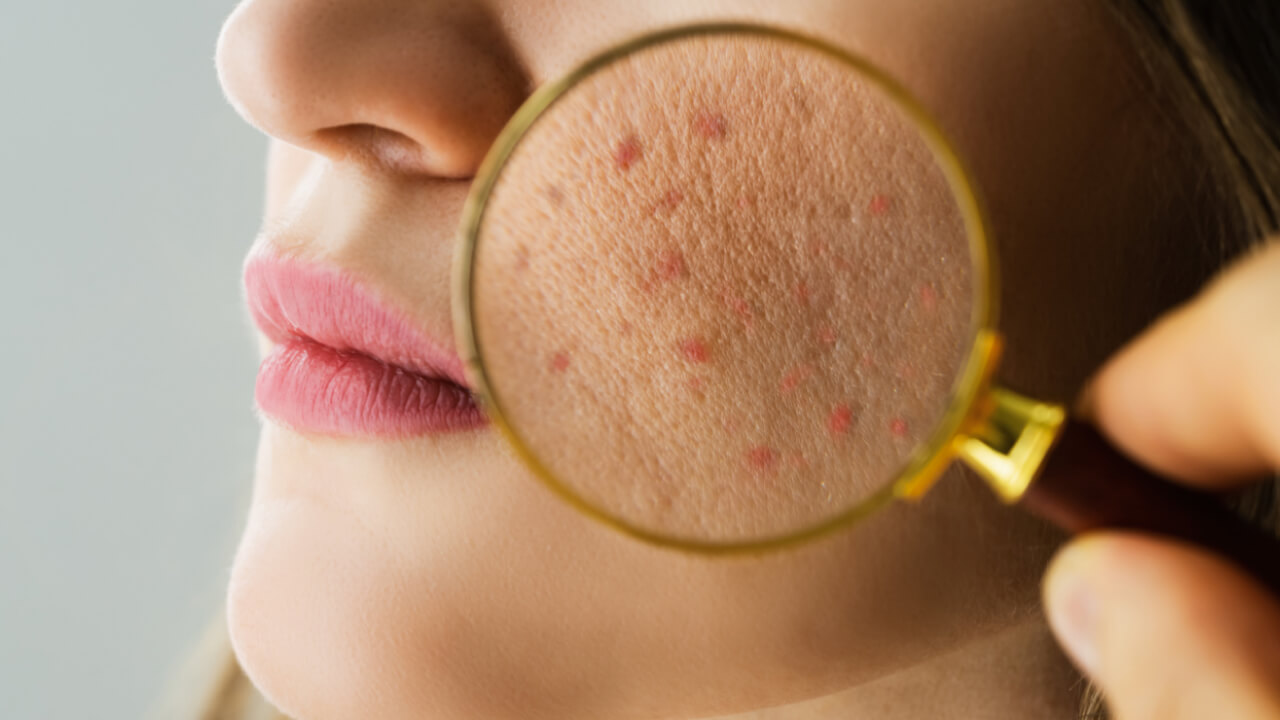
Acne is a common skin condition that primarily affects teenagers, although it can occur at any age. It develops as a result of excessive sebum (skin oil) production, which clogs the pores and creates an environment that promotes bacterial growth. Acne most commonly appears as breakouts, pimples, blackheads, pustules, and papules, which may occur on the face, back, chest, and shoulders.
-
INVICTA Group Services
chevron_left Backclose
INVICTA Group Services
- INVICTA Group
- INVICTA Clinics
- Medical Laboratories
- Fertility Bank
-
Anti-Aging Clinic
- R&D Centre
- Nami