-
INVICTA Group Services
chevron_left Backclose
INVICTA Group Services
- INVICTA Group
- INVICTA Clinics
- Medical Laboratories
- Fertility Bank
-
Anti-Aging Clinic
- R&D Centre
- NAMI
Publish date: 23 June 2026
Read in: 10 min
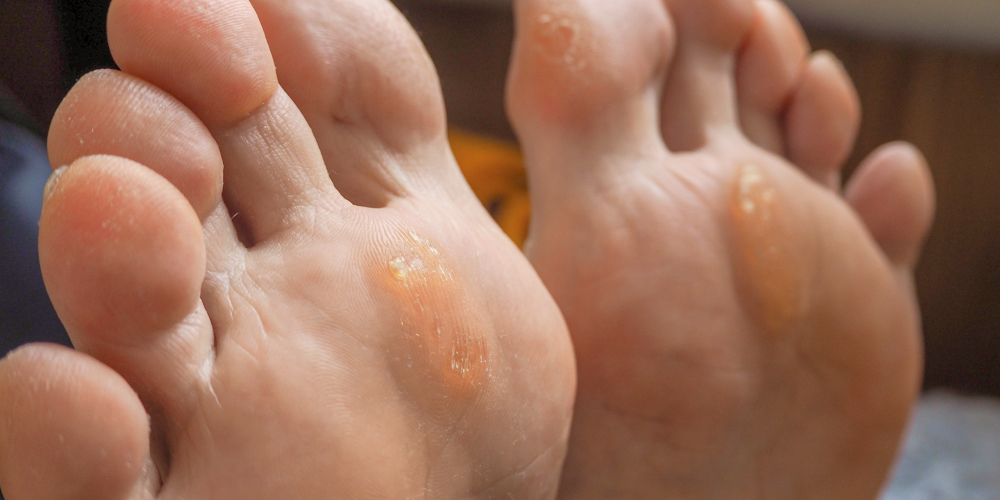
Athlete’s foot, also known as tinea pedis, is a common fungal infection of the feet. The condition gets its name because factors often associated with sports and physical activity—such as excessive sweating, minor skin injuries, shared locker rooms, warmth, humidity, and prolonged wear of closed, non-breathable footwear—create an ideal environment for fungal growth. However, anyone can develop athlete’s foot, not just physically active individuals. It remains one of the most common fungal infections affecting the skin and toenails.
Table of Contents
Athlete’s foot (also known as tinea pedis or foot fungus) is a fungal skin infection affecting the feet. It is most commonly caused by dermatophytes — a group of microscopic fungi that infect keratin-rich tissues, including the epidermis, hair, and nails. Dermatophytes typically affect the outermost layer of the skin, which comes into direct contact with footwear, socks, and surfaces.
Athlete’s foot is caused by fungi that thrive in warm, humid, and dark environments. Factors that increase the risk of infection include:
The infection can be transmitted directly through contact with an infected person or indirectly through surfaces and objects contaminated with fungal spores, such as towels, shoes, locker room floors, exercise mats, or shower trays. However, simply coming into contact with fungi does not always lead to athlete’s foot. The risk of developing an infection increases when the skin is moist, sweaty, irritated, or kept enclosed in footwear for extended periods.
Athlete’s foot can appear in several forms, including:
The condition can easily be mistaken for dry skin, eczema, chafing, or irritation.
The appearance of athlete’s foot depends, among other factors, on the type of skin changes affecting the feet.
Talk to Specialist
Athlete’s foot (tinea pedis) can occur in several forms. Depending on the location and appearance of the skin changes, the following types are distinguished:
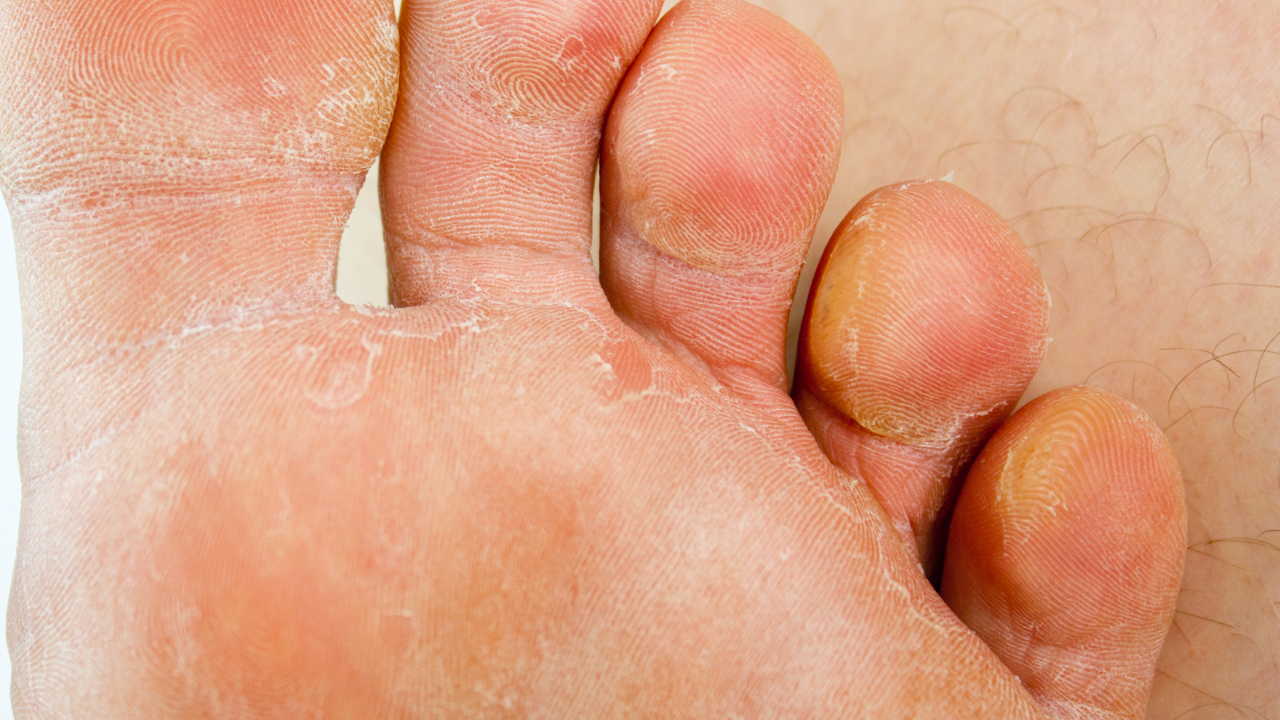
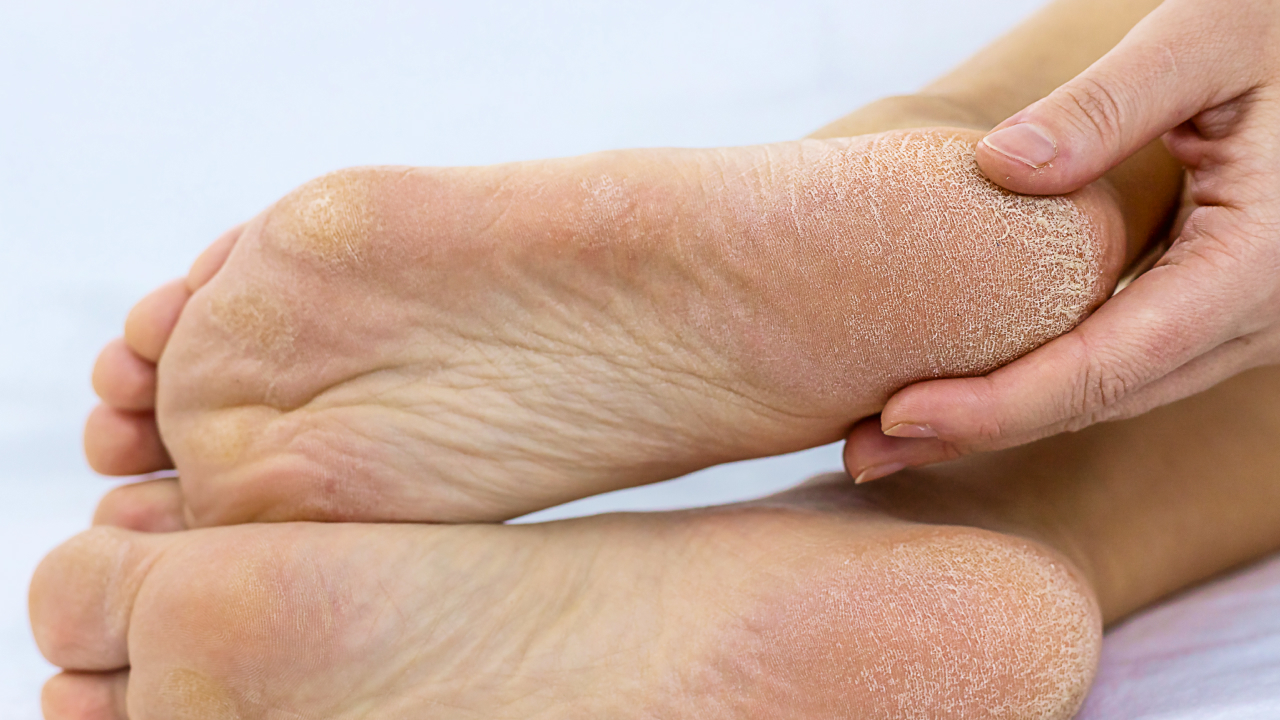
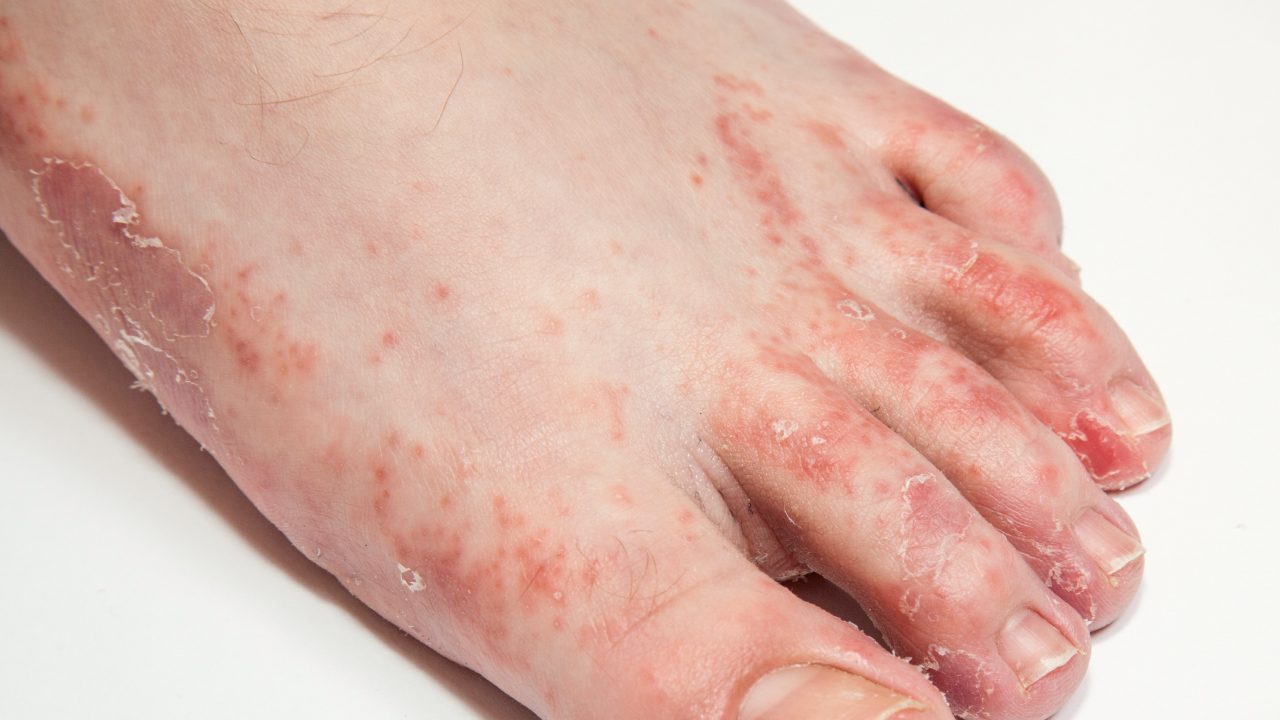
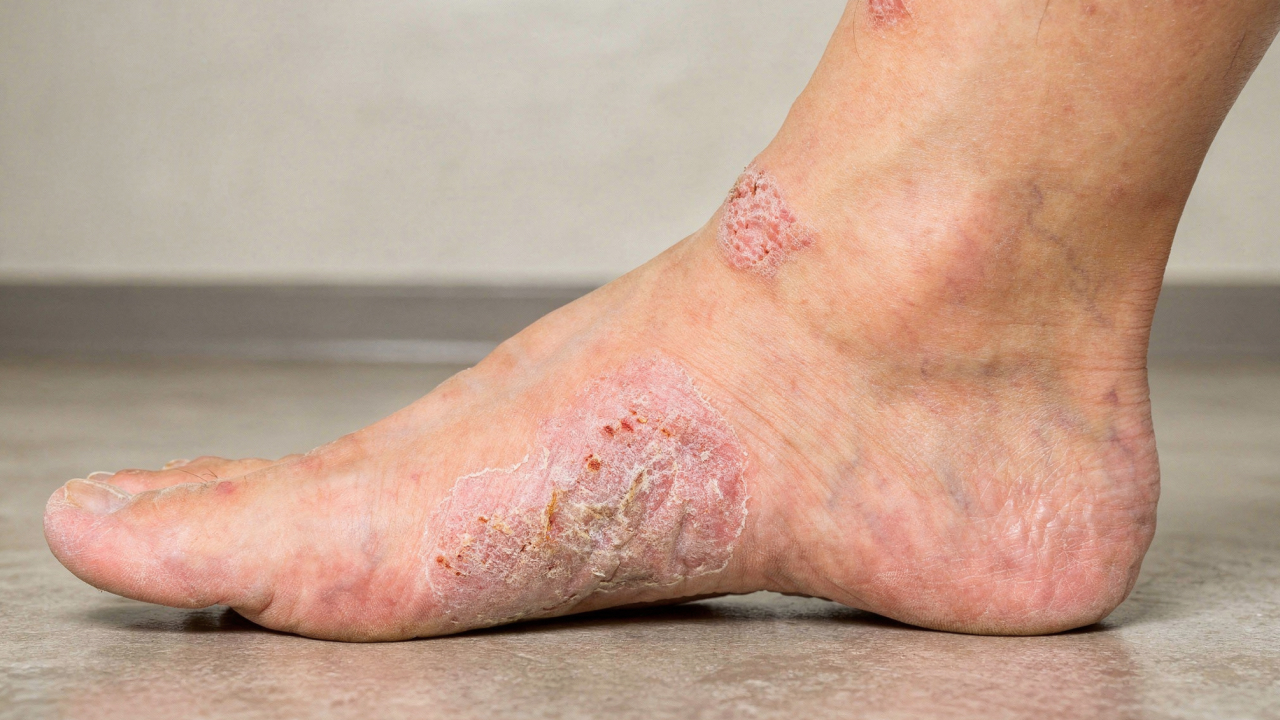
Athlete’s foot can also be accompanied by toenail fungus (onychomycosis). Both conditions may have a similar underlying cause, but they are not always treated in the same way. If there is any uncertainty, it is worth scheduling a podology consultation.
Toenail fungus can also be a potential source of recurrent unwanted skin changes, which is why a mechanical nail debridement procedure can be a valuable addition to the treatment process.
A safe method with long-lasting treatment results.
Symptoms depend, among other factors, on the type of infection and its severity.
The first symptoms of athlete’s foot that patients may notice include:
Advanced athlete’s foot may cause symptoms such as:
Athlete’s foot is primarily treated with antifungal medications. It is also important to eliminate the conditions that promote fungal growth, including moisture, excessive sweating, lack of breathable footwear, and contact with contaminated surfaces.
The typical treatment duration is 2–4 months.
If symptoms are mild, patients can start with an over-the-counter antifungal product (such as a cream, gel, spray, powder, and in the case of toenail fungus — antifungal nail polish), selected with the advice of a pharmacist.
However, if there is uncertainty about whether the condition is truly athlete’s foot, and/or the lesions are extensive, painful, recurrent, affect the nails, or do not improve with topical treatment, a consultation with a dermatologist is recommended. A podologist can also provide valuable support in cases involving skin or nail changes, excessive keratinisation, or the need for professional cleansing of the skin and/or nails.
A doctor can diagnose athlete’s foot based on the appearance of the lesions and, if necessary, may order a mycological examination — a test of a sample collected from the skin or nail.
In mild cases, topical treatment is usually recommended, using antifungal preparations containing active ingredients such as terbinafine, clotrimazole, miconazole, econazole, ciclopirox, tolnaftate, or other antifungal agents.
Oral antifungal medications may be considered in cases of extensive infection, recurrent athlete’s foot, lack of response to topical treatment, or reduced immunity.
Leki doustne rozważa się m.in. przy rozległej chorobie, nawracającej grzybicy stóp, braku odpowiedzi na leczenie miejscowe lub obniżonej odporności.
The most important home care measures for Athlete’s Foot include keeping the feet dry, maintaining hygiene, and reducing moisture exposure.
Patients should wash their feet daily, thoroughly dry the areas between the toes, change socks regularly, choose breathable footwear, and avoid walking barefoot in public places such as swimming pools, locker rooms, or showers.
It is also recommended to:
These measures are an effective way to prevent athlete’s foot and provide valuable support during treatment while reducing the risk of recurrence. However, home remedies alone are not sufficient to cure the infection — they cannot replace antifungal medication, which remains the foundation of treatment once an infection has developed.
We’ll schedule an appointment with the right specialist for you.
Yes, athlete’s foot is contagious. The infection can be contracted through direct contact with an infected person’s skin or by sharing items such as towels, footwear, socks, exercise mats, or other personal belongings. Walking barefoot in places such as swimming pools, shared locker rooms, or public showers also increases the risk of infection.
Athlete’s foot can cause pain, but it is not a typical or the most common symptom of this condition. More often, it presents with itching, burning, skin peeling, and cracking. Pain usually occurs with more advanced forms of the infection.
Yes, athlete’s foot is very often associated with itching. Itching typically appears between the toes but may also affect the soles or sides of the feet.
A toenail affected by fungal infection may change colour, become thickened, brittle, and prone to breaking, as well as become deformed — these are the most common symptoms of toenail fungus (onychomycosis).
References


Poczytaj więcej