-
INVICTA Group Services
chevron_left Backclose
INVICTA Group Services
- INVICTA Group
- INVICTA Clinics
- Medical Laboratories
- Fertility Bank
-
Anti-Aging Clinic
- R&D Centre
- NAMI
Bruxism is a condition characterized by involuntary teeth grinding and strong jaw clenching. Excessive pressure on the teeth can lead to their damage and, in some cases, to the development of bite disorders. If left untreated, bruxism can alter facial features and even affect the shape of the jaw. Common consequences include jaw and facial pain, headaches, migraines, and even back pain. Teeth grinding most often occurs at night, when the person is unaware of the activity.
Treatment involves injecting a small amount of botulinum toxin into the jaw muscles. This reduces the transmission of nerve impulses in the muscles, preventing involuntary contractions and relieving the associated symptoms.
Podaj dane potrzebne do przedstawienia oferty cenowej na zabieg:
Perceptibility
Duration
30 min
Number of treatments in a series
1
Botox treatment for bruxism is ideal for individuals who:
This treatment is suitable for both younger and older patients. It should be preceded by a specialist consultation, during which the doctor will assess the severity of the problem and create a personalized treatment plan.
STEP I: Makeup removal
STEP II: Marking the injection sites
STEP III: Botulinum toxin injection
The result of bruxism treatment with botulinum toxin is a significant reduction in jaw muscle tension, which eliminates troublesome symptoms such as jaw clenching and teeth grinding. Botox also helps relieve recurring headaches and stiffness in the neck area. Injecting botulinum toxin prevents enamel and crown damage, degenerative changes in the temporomandibular joints, and jaw asymmetry. Additionally, the treatment subtly slims facial contours—without the need for surgical intervention.
A contraindication for Botox treatment of bruxism is a known hypersensitivity to botulinum toxin type A or any other ingredients in the product, as identified during the medical interview. The procedure is also not suitable for individuals with swallowing disorders, neuromuscular transmission disorders, or blood clotting issues. It is not recommended for pregnant or breastfeeding women. Additionally, the doctor will not proceed with the treatment if there is a skin infection at the planned injection site.
We will call you back to arrange a convenient date for you
meet our expert

The most common causes of bruxism include low stress tolerance, sleep disorders (such as snoring, sleep apnea, or parasomnias), bite misalignment, neurological issues, and even the presence of parasites in the body.
A very fine needle is used to inject Botox, making the procedure virtually painless. However, the level of discomfort can vary depending on the patient’s individual sensitivity to pain.
Botulinum toxin is a medicinal product, which means the procedure can only be performed by a qualified medical doctor.
In individuals whose untreated bruxism has led to facial asymmetry, treatment with botulinum toxin may help restore the face to its original shape. The toxin reduces muscle tension, causing the overactive muscles to gradually lose volume. Around 4 to 6 weeks after the procedure, the face typically appears slimmer, and the jawline becomes more defined.
Immediately after the procedure, the area where botulinum toxin was injected may appear slightly red. In rare cases, the patient may also experience mild itching or a tingling sensation.
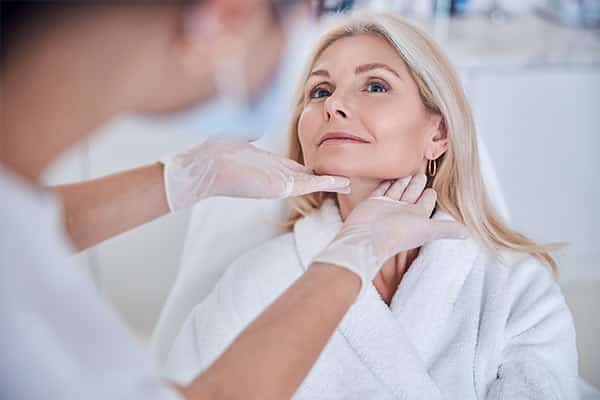
From 400,00 PLN
Botox is your go-to solution for reducing expression lines on the forehead, around the eyes, nose, and lips
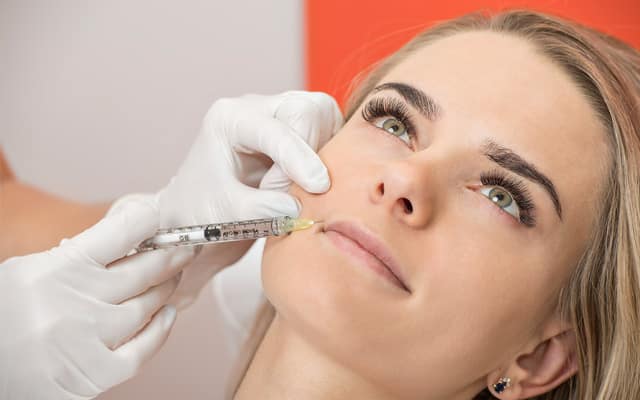
1200,00 PLN
Hyaluronic acid lip contouring and enhancement is a reliable treatment to improve volume, shape, and hydration.
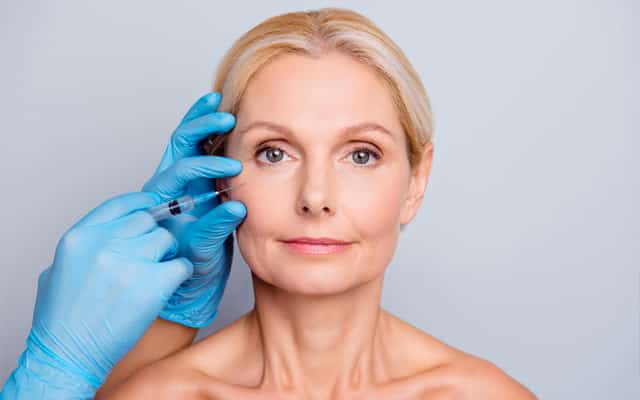
From 1500,00 PLN
Facial volumetry with hyaluronic acid is an ideal solution for those looking to improve the appearance, shape, and proportions of their face.
1100,00 PLN
Hyaluronic acid wrinkle fillers are perfect for clients looking to restore a youthful, refreshed appearance to their skin.
From 1200,00 PLN
Biostimulators are specialized products used in anti-aging treatments.
From 1800,00 PLN
Looking for an effective lifting treatment? PDO threads are perfect for contouring the jawline, chin, neck, and décolletage—smoothing wrinkles and firming the skin!
From 900,00 PLN
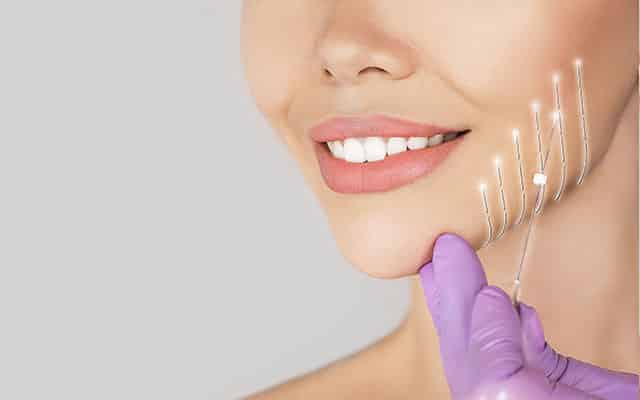
PDO threads provide a non-surgical lift and skin revitalization—firmness, smoothness, and natural rejuvenation in just 60 minutes!
1800,00 PLN
Botulinum toxin is a highly effective solution for treating excessive sweating. It can be safely used on areas such as the underarms, hands, and feet to significantly reduce perspiration and improve everyday comfort.
1500,00 PLN
Lift-Booster Firming Mesotherapy is an advanced aesthetic treatment designed to deeply regenerate and hydrate the skin.
From 700,00 PLN
Mesoskin is INVICTA’s signature PRP mesotherapy method — a proprietary treatment protocol developed in our own laboratory.
From 800,00 PLN
The goal of platelet-rich fibrin (PRF) mesotherapy is to stimulate the skin’s natural regeneration processes. The treatment activates collagen production and cellular renewal, leading to visibly healthier, more radiant skin.
1100,00 PLN
Brightening mesotherapy is perfect for tired, lackluster skin in need of radiance and improved tone.
From 650,00 PLN
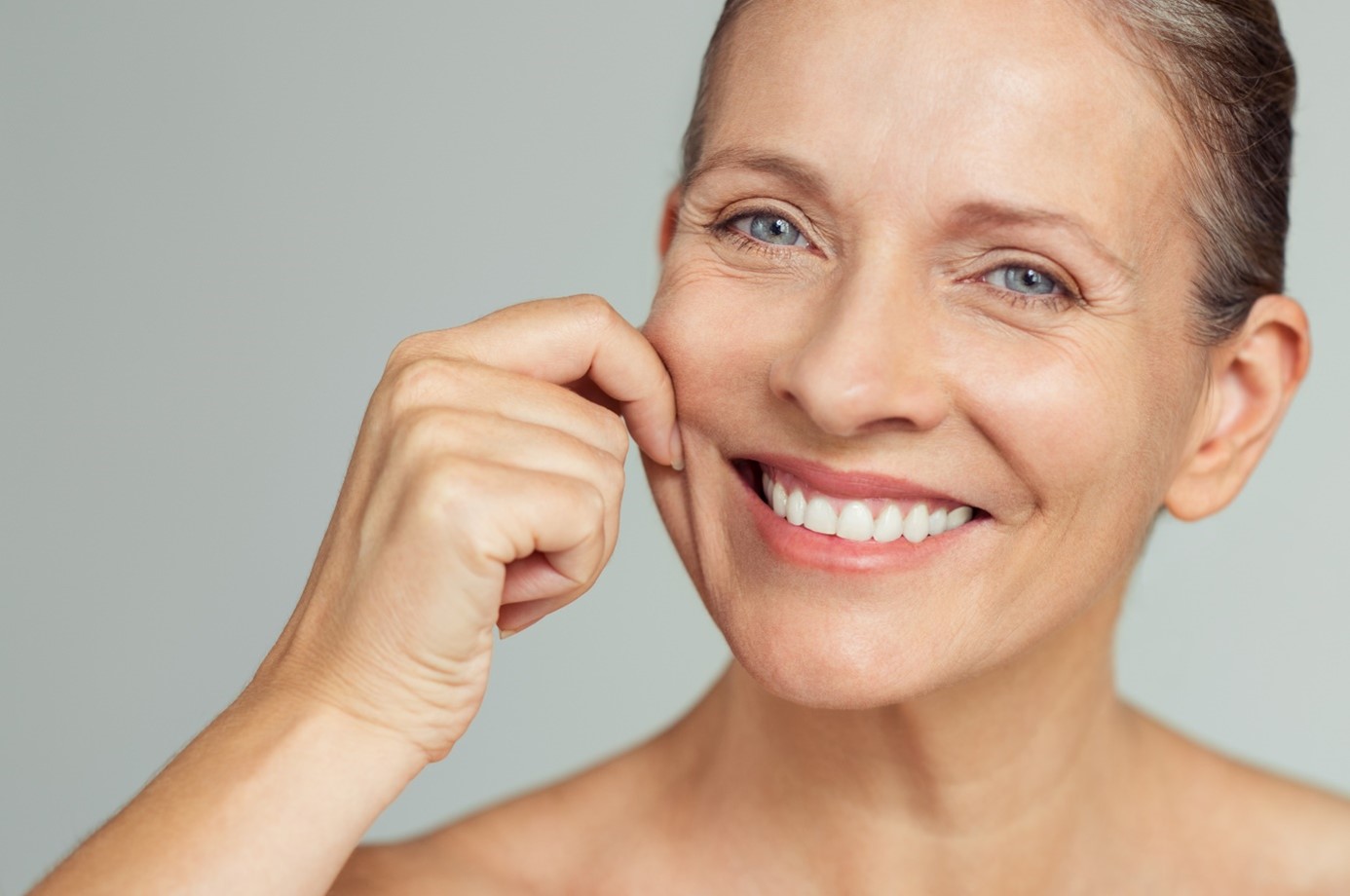
Anti-Aging Mesotherapy stimulates skin regeneration and helps prevent the signs of aging.
It features a powerful blend of 59 revitalizing ingredients.
From 450,00 PLN
Tropocollagen microneedling is an effective way to rejuvenate your skin, restoring its elasticity and youthful appearance.
500,00 PLN
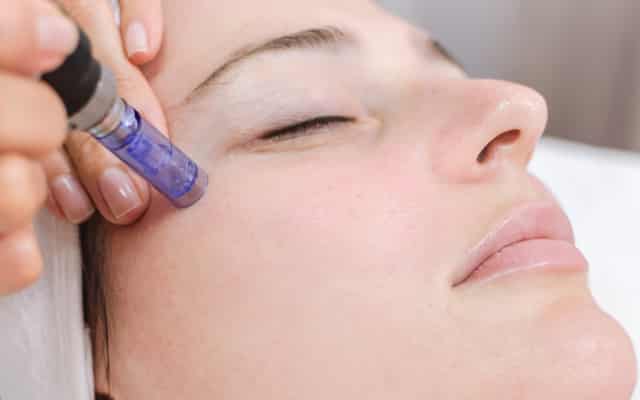
Under-Eye Needle Mesotherapy targets dark circles and fine lines, helping to visibly rejuvenate the delicate skin around the eyes. Ideal for those who want to restore a youthful, refreshed look with brighter, smoother under-eyes.
5500,00 PLN
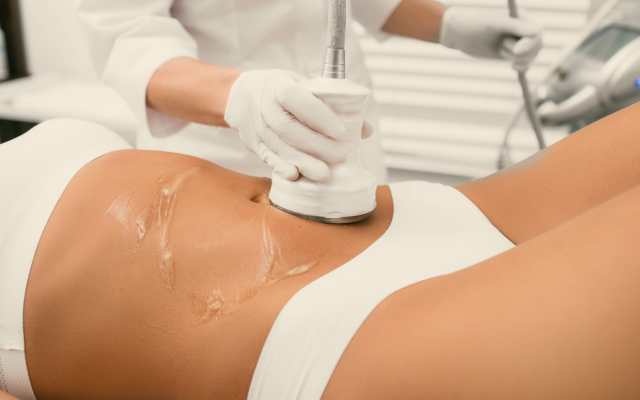
Lipotransfer is a safe procedure that contours the face and intimate areas using your own fat, providing natural and long-lasting rejuvenation results.
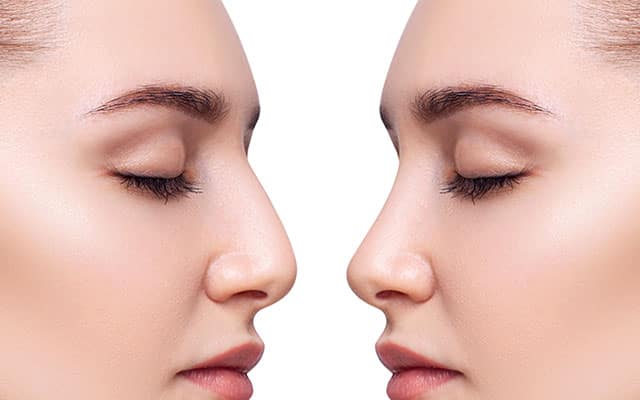
1200,00 PLN
Non-surgical rhinoplasty with hyaluronic acid is a minimally invasive treatment that corrects the shape of the nose and conceals aesthetic imperfections.
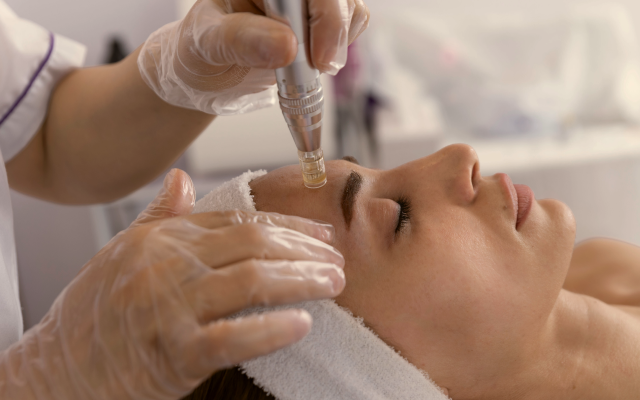
From 600,00 PLN
Revitalizing mesotherapy is a treatment designed for those whose skin needs deep hydration and nourishment. It's suitable for patients of all ages and helps improve skin tone, texture, and overall radiance.
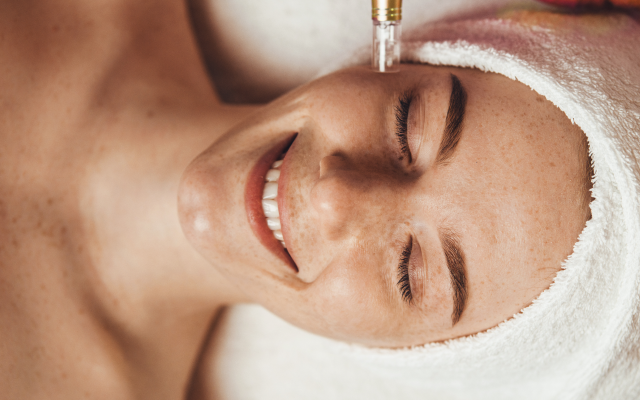
1000,00 PLN
Hydrating mesotherapy, rich in hyaluronic acid, is an ideal solution for mature skin showing signs of dehydration.