-
INVICTA Group Services
chevron_left Backclose
INVICTA Group Services
- INVICTA Group
- INVICTA Clinics
- Medical Laboratories
- Fertility Bank
-
Anti-Aging Clinic
- R&D Centre
- Nami
Publish date: 25 June 2025
Read in: 12 min
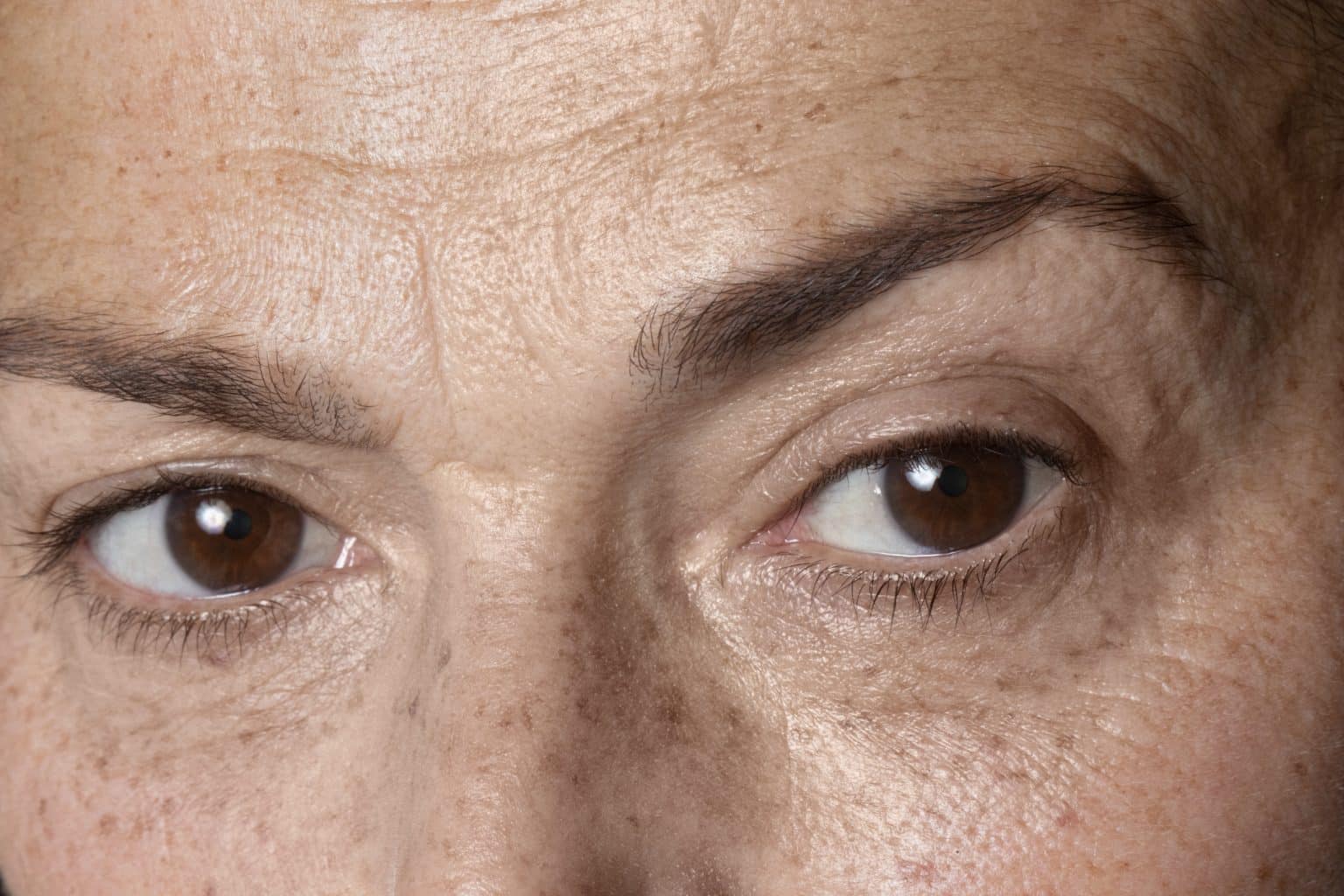
As time goes by, our skin naturally loses density and elasticity. Add to that everyday facial expressions, lifestyle habits, and stress — and the first fine lines start to appear. One of the most common expression lines is the so-called frown line, caused by the repetitive movement of muscles between the eyebrows. So, how can you reduce frown lines with at-home methods? When is it time to consider professional aesthetic treatments? And most importantly — is there a way to prevent them from forming in the first place? Let me know if you’d like a more medical, casual, or marketing tone!
Table of Contents
Frown lines usually develop in people who tend to furrow their brow frequently—often without even realizing it. This repetitive movement, triggered by emotions like frustration or concentration, or simply from squinting in bright light, activates the small muscle between the eyebrows. Over time, this creates one or more vertical creases known as the frown line.
How noticeable these lines become depends on individual factors like facial anatomy, skin condition, and overall elasticity. Some people are simply more prone to developing them due to genetics or lifestyle habits. Frown lines can begin to appear as early as your 20s or 30s, and they tend to deepen with age. This is due to the natural decline in collagen production and a gradual loss of skin density and firmness. That’s why early care is key. Starting with accessible at-home methods may help slow down their formation. And if those aren’t enough, aesthetic medicine offers highly effective solutions to smooth and soften the look of frown lines. Let me know if you’d like to adapt this to a specific audience or platform (e.g. blog, Instagram caption, clinic brochure).
Frown lines can give the face a harsh or stern look, often affecting one’s overall appearance in a negative way. If you notice that you’re prone to developing vertical lines between the eyebrows, it’s worth exploring and adopting certain skincare practices that can help reduce their visibility. Even in the early stages—or as a preventive measure—taking the following steps can make a real difference.
Now increasingly popular under the names of facial fitness or face yoga, skillful massage of selected areas of the face can have a beneficial effect by stimulating blood and lymph flow, ultimately improving skin elasticity. Performing daily circular motions with the index and ring fingers in the area between the eyebrows—along with gently stretching the skin outward—is especially recommended as a preventive measure and to reduce the early signs of frown lines. Facial massage not only boosts circulation but also enhances the skin’s ability to absorb active ingredients from anti-wrinkle creams and oils, which are best applied during the massage.
As part of your daily skincare routine, it’s worth including creams and serums with ingredients like retinol, hyaluronic acid, and vitamin C. These powerful actives help reduce wrinkles, neutralize free radicals, and brighten the skin. With regular use, they not only improve the firmness of the skin between the eyebrows but enhance the overall tone and texture of the entire face. A few times a week, after thoroughly cleansing your skin, apply a face mask made from natural ingredients such as yogurt, olive oil, or rice. You can also reach for a ready-to-use product from the dermocosmetics shelf for an extra boost.
The formation of a frown line is strongly influenced by the repeated contraction of the muscle located between the eyebrows. This typically occurs during intense emotional expressions or when squinting—either to protect the eyes from sunlight or to momentarily sharpen vision in order to see a distant object. While emotional reactions can be consciously managed to some extent, in the latter cases, sunglasses and prescription glasses can be helpful. Glasses with proper filters not only protect against the formation of frown lines but also help prevent crow’s feet. If seeing distant objects without squinting is difficult, it’s a good idea to visit an eye doctor. A vision check-up can serve as an effective way to prevent the deepening of frown lines.
Any strategy aimed at preventing or minimizing wrinkles should be paired with hydrating the skin from the inside out—that means drinking enough water every day to keep the epidermis in good condition. It’s equally important to avoid smoking, which accelerates skin aging, dehydrates the complexion, and gives it a dull, grayish tone. Another smart anti-frown-line habit is sleeping on your back; side sleeping, under the pull of gravity, encourages creases to form between the eyebrows.
Sometimes, despite consistent home care and preventive measures, the frown line continues to deepen, becoming a visible aesthetic concern. In such cases, professional correction—especially for more advanced wrinkles—offers the highest level of effectiveness and long-lasting results. The treatment plan for reducing a frown line should be developed by a qualified aesthetic medicine specialist. During a consultation, the doctor will assess your skin condition, recommend suitable procedures and products, and check for any possible contraindications. They’ll also take the time to answer your questions and explain the treatment process in detail. That’s why an initial consultation with an aesthetic doctor is so important. So how can frown lines be treated professionally? Depending on your skin type and the depth of the crease, the doctor will recommend the most appropriate solution tailored to your individual needs.

Botulinum toxin is one of the most widely used procedures for correcting expression lines, such as the frown line or crow’s feet. Injected by a medical professional, the toxin works by partially deactivating the muscle responsible for forming dynamic wrinkles, helping to smooth the skin. For more subtle and natural-looking results, many clinics now offer baby Botox—a technique involving the subcutaneous injection of a reduced amount of botulinum toxin using very fine needles. This approach softens the appearance of lines while preserving natural facial movement. The first visible results of a Botox treatment usually appear within 2 to 3 days, with full results developing in about 10 to 14 days. The muscle relaxation—and with it, the smoothing effect—typically lasts 4 to 6 months. After this period, a follow-up consultation is recommended to assess whether the treatment should be repeated.
A virtually instant-result technique: a small amount of hyaluronic acid is injected just under the skin at the site of the frown line, filling the crease from within. The outcome is impressively subtle and natural yet highly effective. The procedure is practically painless, requires no downtime, and can be repeated as needed after consulting an aesthetic-medicine specialist.
The goal of this treatment is to harness the skin’s natural ability to regenerate. Plasma energy acts as a catalyst for this process by creating hundreds of controlled thermal micro-injuries on the skin’s surface. This stimulates the production of collagen and elastin—the key proteins responsible for skin firmness, density, and elasticity. The procedure is highly precise, making it ideal for targeting fine lines, including frown lines. As the skin goes through a natural healing process, downtime typically lasts between 7 and 14 days. The treatment itself takes around 60 minutes, with the first visible results appearing after about two weeks. However, it may take up to three months to see the full effect. For optimal results, 1 to 3 sessions may be needed, depending on the depth of the wrinkle and individual skin response.
This treatment is especially recommended for more mature skin. In addition to subtly filling in fine lines, it deeply nourishes and regenerates the skin. The Lift Booster procedure combines NCTF HA 135 multivitamin mesotherapy with stabilized hyaluronic acid Fine Lines, delivering both rejuvenating and volumizing effects. To ensure patient comfort, the treatment is performed under local anesthesia. The results are visible immediately after the procedure, and the downtime is minimal—typically just 1 to 2 days. For optimal and long-lasting results, a series of 3 sessions is recommended.
The right approach to reducing a frown line depends largely on how deep and advanced the crease has become. The earlier you start preventive care—and the more consistently you maintain it—the longer you can delay the need for professional aesthetic treatments. If the frown line is still in its early stages, simple facial massage, face yoga, and facial fitness exercises may be enough to soften its appearance. To enhance results, these techniques should be combined with regular use of anti-wrinkle creams and serums enriched with active ingredients like retinol, peptides, or hyaluronic acid. However, at-home methods aren’t always enough. When the frown line becomes deeper and more pronounced, topical products alone may not provide visible improvement. In such cases, it’s worth scheduling a consultation with an aesthetic medicine specialist. The doctor will assess your skin condition, determine the depth of the wrinkle, and recommend the most suitable treatments and products. That said, prevention remains key. Whether you’re just starting to notice a frown line or already seeing deeper creases, a proactive, well-rounded approach to skincare is your best long-term strategy.

Read more