-
INVICTA Group Services
chevron_left Backclose
INVICTA Group Services
- INVICTA Group
- INVICTA Clinics
- Medical Laboratories
- Fertility Bank
-
Anti-Aging Clinic
- R&D Centre
- Nami
Waxing is an effective hair removal treatment that involves applying warm wax to the skin and quickly removing it along with unwanted hair. This method leaves the skin smooth for several weeks, and with regular treatments, it can weaken hair follicles and slow down regrowth over time. Various types of wax are used depending on the thickness of the hair and the sensitivity of the skin, ensuring a personalized and comfortable experience. Waxing is suitable for multiple areas of the body, including the legs, forearms, underarms, bikini area, and face.
Perceptibility
Duration
15-60 min
Recovery time
Mild skin redness lasting up to 3–4 hours.
Number of treatments in a series
1
Waxing is recommended for individuals who:
The procedure is suitable for both women and men of all ages, following a professional assessment of the skin’s condition.
STEP I: Disinfection and skin preparation
STEP II: Selection of the appropriate wax type
STEP III: Hair removal
STEP IV: Post-treatment care
Waxing provides immediate smoothness. With regular treatments, hair grows back finer and more slowly. Results typically last 2 to 4 weeks, depending on the treated area and individual hair growth. After waxing, the skin feels soft, smooth, and responds well to daily skincare routines.
Contraindications to waxing include any skin damage, inflammation, or fungal, viral, or bacterial infections in the treatment area. Waxing should also be avoided on freshly tanned skin—whether from sun exposure or tanning beds—as it increases the risk of burns and pigmentation changes. Individuals with varicose veins, broken capillaries, or dermatological conditions involving skin hypersensitivity should consult a specialist before undergoing the treatment. Waxing is not recommended for people who are allergic to wax ingredients or have a tendency for ingrown hairs. Caution is also advised for those taking photosensitizing medications, oral retinoids, or antibiotics—in such cases, the treatment should be postponed until a safer time.
We will call you back to arrange a convenient date for you
meet our expert


Waxing is suitable for most people, but there are certain contraindications to consider—such as varicose veins, recent tanning, allergies to wax ingredients, or specific skin conditions. Before the treatment, it’s recommended to consult with a cosmetologist, who will assess your skin and determine whether waxing is the right option for you.
Waxing can be safe for pregnant women, especially if they were already accustomed to this method before pregnancy.
The frequency of waxing depends on your individual hair growth cycle. Typically, the treatment is repeated every 2 to 4 weeks. With regular waxing, hair tends to grow back thinner and weaker, which can gradually extend the time between sessions.
Ingrown hairs may appear after waxing, especially if the skin is not properly cared for. To prevent this, it’s recommended to exfoliate regularly (starting 3–4 days after the treatment) and to keep the skin moisturized. These practices help prevent dead skin buildup and allow hair to grow back freely through the surface.
Pain perception during waxing varies from person to person. The first few sessions may feel more uncomfortable, but with regular treatments, hair tends to grow back finer and weaker—making the experience noticeably less painful over time.

From 250,00 PLN
Laser hair removal is a treatment designed to eliminate unwanted hair from specific areas of the body. It’s especially recommended for people with darker hair, as the pigment absorbs the laser more effectively.
150,00 PLN
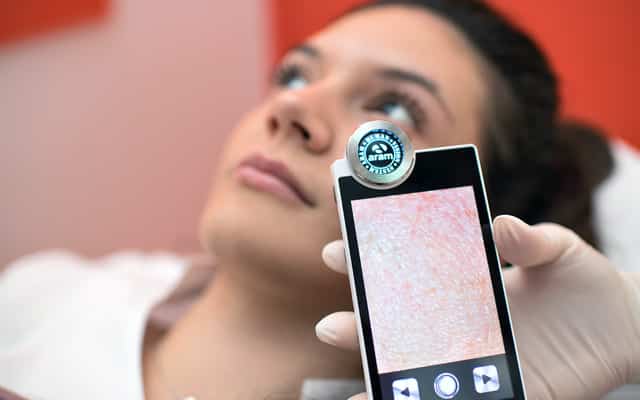
Curious about your skin's needs and how to care for it properly? Book a cosmetology consultation at INVICTA Anti-Aging Clinic and get personalized advice tailored just for you.