-
INVICTA Group Services
chevron_left Backclose
INVICTA Group Services
- INVICTA Group
- INVICTA Clinics
- Medical Laboratories
- Fertility Bank
-
Anti-Aging Clinic
- R&D Centre
- Nami
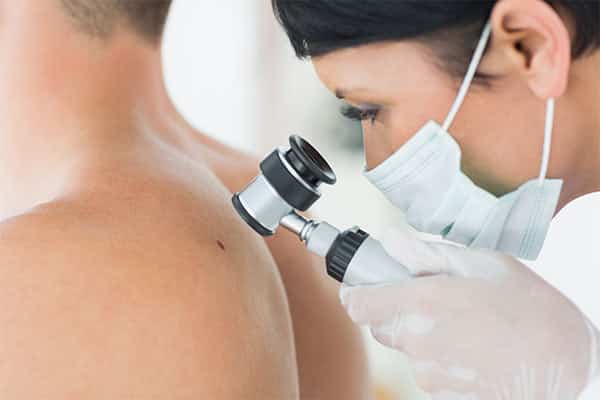
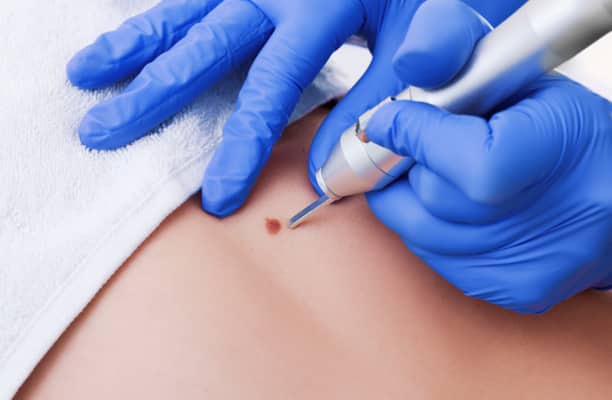
A skin lesion biopsy is a quick, safe, and effective diagnostic procedure that allows for accurate identification of skin conditions, including malignant tumors. The procedure is done under local anesthesia and takes up to 15 minutes, leaving only a small scar. Patients can return home the same day and resume normal activities shortly after.
Perceptibility
Duration
10-15 min
Recovery time
7-14 days
Number of treatments in a series
1 (depending on the biopsy results)
Before the procedure, it’s important to have a consultation with a specialist to discuss your medical history and any relevant health concerns. Be sure to inform your doctor about all medications you’re currently taking, including over-the-counter drugs, supplements, and herbal remedies. Some medications—such as aspirin, blood thinners, or nonsteroidal anti-inflammatory drugs (NSAIDs)—may need to be avoided prior to the procedure. Your doctor might recommend temporarily stopping certain medications or adjusting the dosage. However, do not make any changes to your medication regimen without consulting your doctor first. On the day of the biopsy, make sure the skin at the biopsy site is clean. Avoid applying any creams, lotions, or perfumes to the area. Wear comfortable, loose-fitting clothing that won’t irritate or press against the biopsy site.
A skin lesion biopsy is recommended for individuals with suspected skin cancer, precancerous conditions, connective tissue disorders, inflammatory skin diseases, psoriasis, as well as abnormalities found on the mucous membranes of the mouth or genital area.
STEP I: Local anesthesia and preparation of the treatment area
STEP II: Punch biopsy procedure
STEP III: Wound closure (if needed) and application of a sterile dressing
The results of the procedure include an accurate diagnosis of skin lesions, allowing for prompt and appropriate treatment. Scarring is minimal, and the wound typically heals quickly.
We will call you back to arrange a convenient date for you
A skin biopsy is performed under local anesthesia, so the patient doesn’t feel any pain during the procedure.
The wound usually heals within 7 to 14 days, depending on your skin’s individual characteristics and how well post-procedure care instructions are followed.
A small scar may remain after a skin biopsy, with its size depending on the biopsy technique used and individual skin characteristics.
Laser removal of skin lesions involves the precise elimination of abnormal skin changes using a focused beam of light that targets and destroys the affected tissue without damaging the surrounding healthy skin. This minimally invasive method is commonly used for removing warts, moles, and other small benign lesions.
Surgical excision is a traditional method where skin lesions are removed with a scalpel, followed by suturing the wound. This technique is typically used for larger or deeper lesions that require thorough removal and histopathological examination.
Laser scar removal is a treatment that reduces the appearance of scars by stimulating collagen production and promoting skin regeneration. This procedure helps to smooth and lighten both new and older scars, improving overall skin texture and tone.

Give a loved one a truly special gift that genuinely supports skin health and enhances overall well-being.
From 500,00 PLN
This minor surgical procedure allows for the safe and effective removal of unwanted moles, skin tags, and other imperfections — all in a single visit.
300,00 PLN
Laser removal of skin imperfections (such as moles, warts, and skin tags) is an effective and non-invasive treatment option.