-
INVICTA Group Services
chevron_left Backclose
INVICTA Group Services
- INVICTA Group
- INVICTA Clinics
- Medical Laboratories
- Fertility Bank
-
Anti-Aging Clinic
- R&D Centre
- Nami
A podiatry consultation is ideal for anyone dealing with foot or nail problems, as well as for those who care about the aesthetic appearance of their feet. The goal of the visit is typically to assess the condition of the skin and nails, create a tailored treatment plan, and recommend appropriate at-home care. The appointment begins with a detailed consultation, during which the podiatrist reviews your medical history and ensures there are no contraindications for the planned treatment.
Perceptibility
Czs trwania konsultacji
30 min
*You’re also welcome to attend the podiatry consultation without any prior preparation.
A podiatry consultation is recommended for individuals who:
Consultations are available for both younger and older clients. Some treatments for minors may require parental or legal guardian consent.
STEP I: Podiatric Interview
STEP II: Diagnosis
STEP III: Treatment & Care Plan
The goal of a podiatry consultation is to identify the root cause of the issue and take appropriate steps to resolve it. During the visit, patients also gain valuable knowledge about proper foot and nail care, which helps prevent the recurrence of problems in the future. For those coming in for a preventive check-up, the outcome is a personalized care routine tailored to their individual needs.
There are no contraindications for booking a podiatry consultation. However, it’s important not to perform any foot treatments on your own before the visit. Trimming cuticles or nails can cause micro-injuries that may interfere with an accurate assessment of skin and nail conditions.
We will call you back to arrange a convenient date for you
meet our expert


It’s worth seeing a podiatrist if you’re dealing with issues such as calluses, corns, cracked heels, ingrown toenails, or fungal infections.
A podiatric pedicure is performed for therapeutic purposes, aiming to treat specific foot and nail conditions. In contrast, a cosmetic pedicure is purely aesthetic, focusing solely on improving the appearance of the feet.
During the podiatric interview, the specialist may ask about:
Yes, as long as the condition doesn’t require additional diagnostics and the podiatrist’s schedule allows for it, the treatment can often be performed right after the consultation. For more invasive procedures, however, we recommend scheduling the appointment for a time advised by the specialist.
No, a podiatrist is a specialist in foot and nail health, but not a medical doctor. However, they often work closely with physicians to provide comprehensive care—especially when underlying health conditions may be contributing to podiatric issues.

From 230,00 PLN
Get rid of calluses, corns, and dry heels. Restore and nourish your feet with the KART pedicure – a safe and effective treatment, also suitable for pregnant women and people with diabetes.

200,00 PLN
Discover effective laser nail fungus treatment at INVICTA Anti-Aging Clinic – a quick and safe way to get rid of the problem for good.
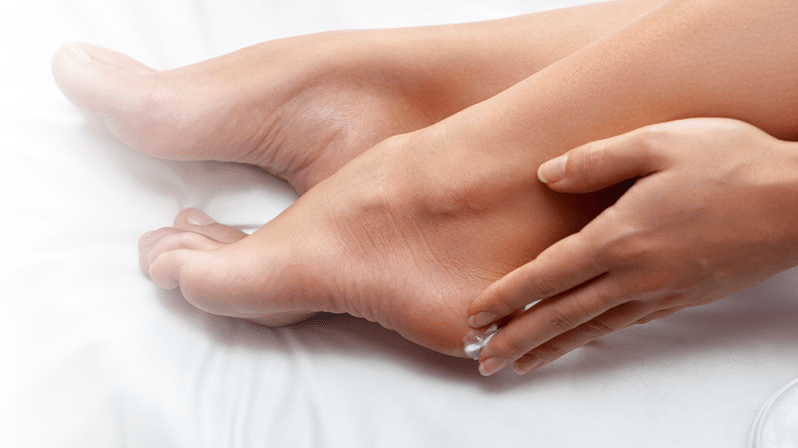
From 150,00 PLN
Cracked heels and heel fissures are a common discomfort — but they can be easily resolved with a simple treatment.
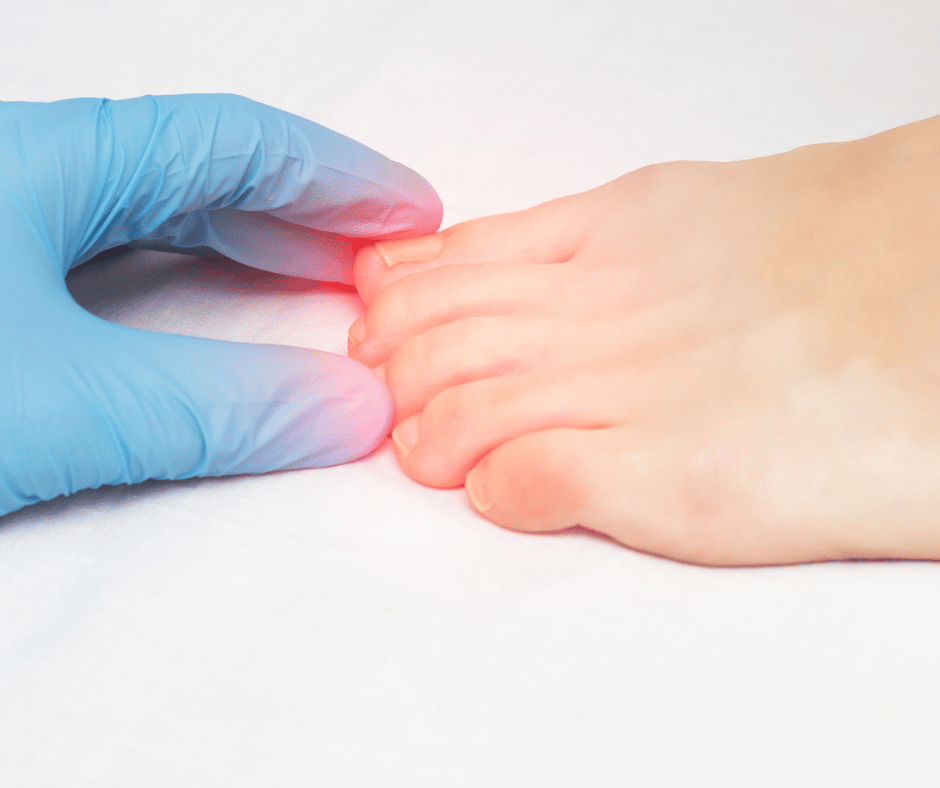
From 230,00 PLN
An effective method for relieving pain and preventing infections, while restoring the natural shape of the nail and making walking comfortable again.
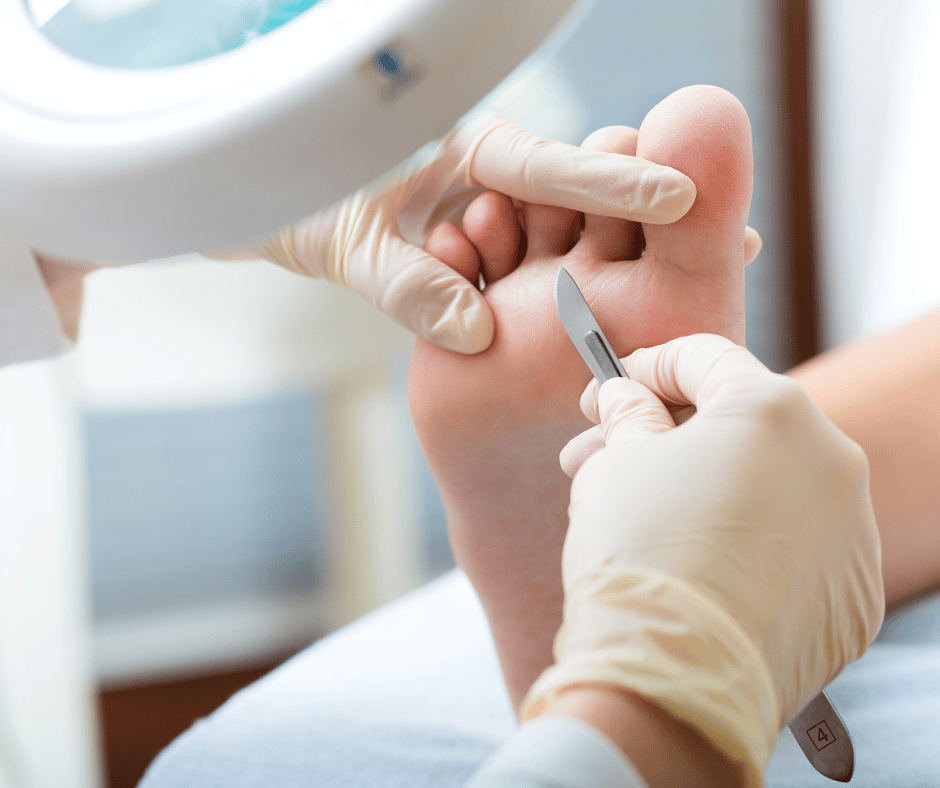
From 200,00 PLN
Medical Pedicure – effective treatment and expert foot care.
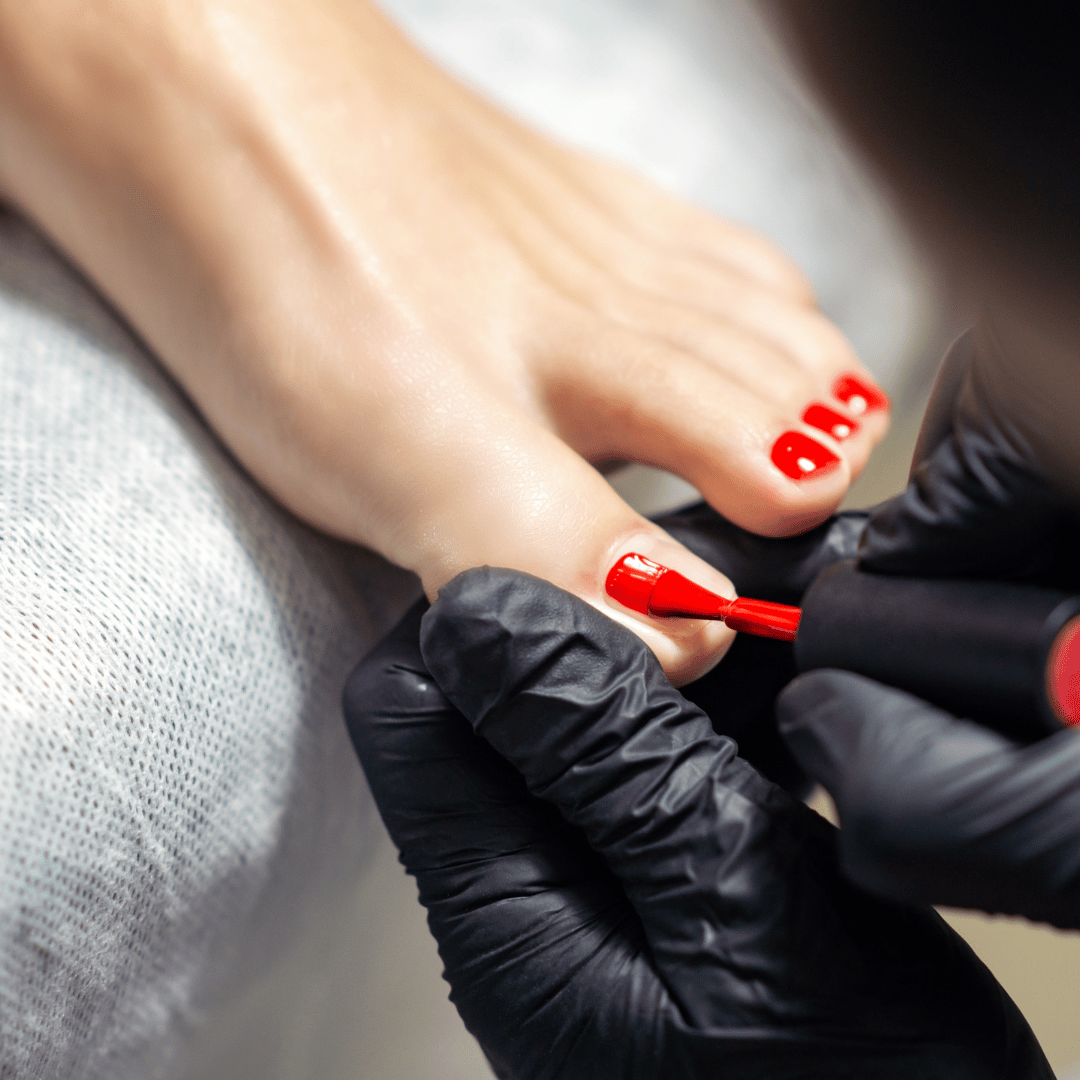
From 190,00 PLN
A gel polish pedicure is a great way to keep your feet looking flawless – not just during the summer months.
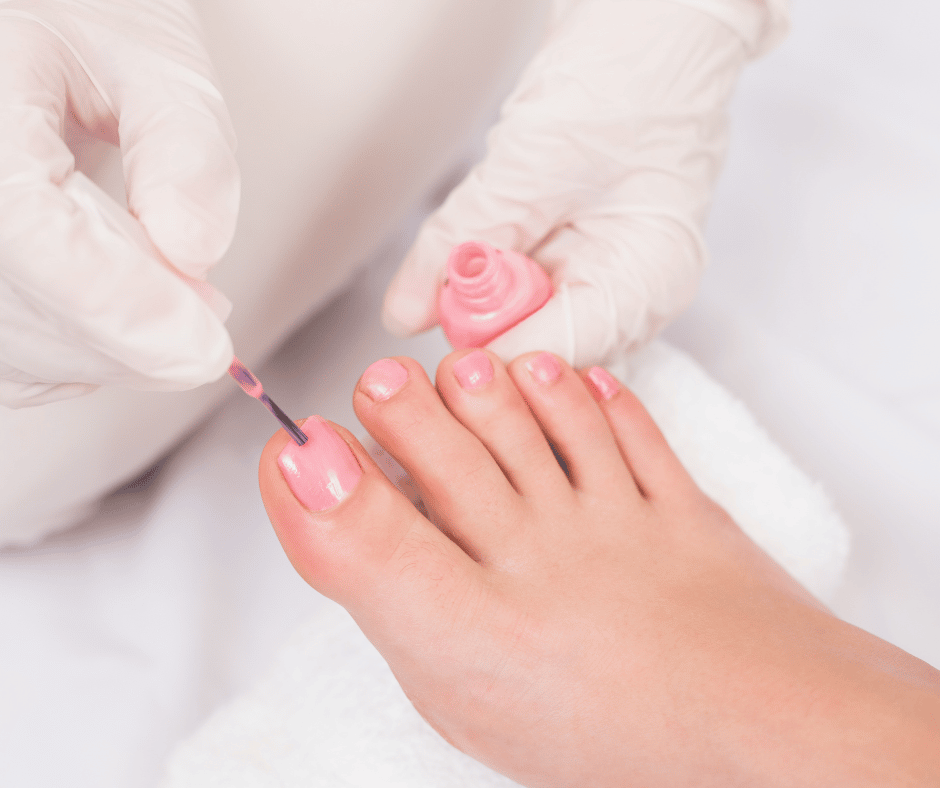
From 160,00 PLN
A classic pedicure is a fundamental foot care treatment.
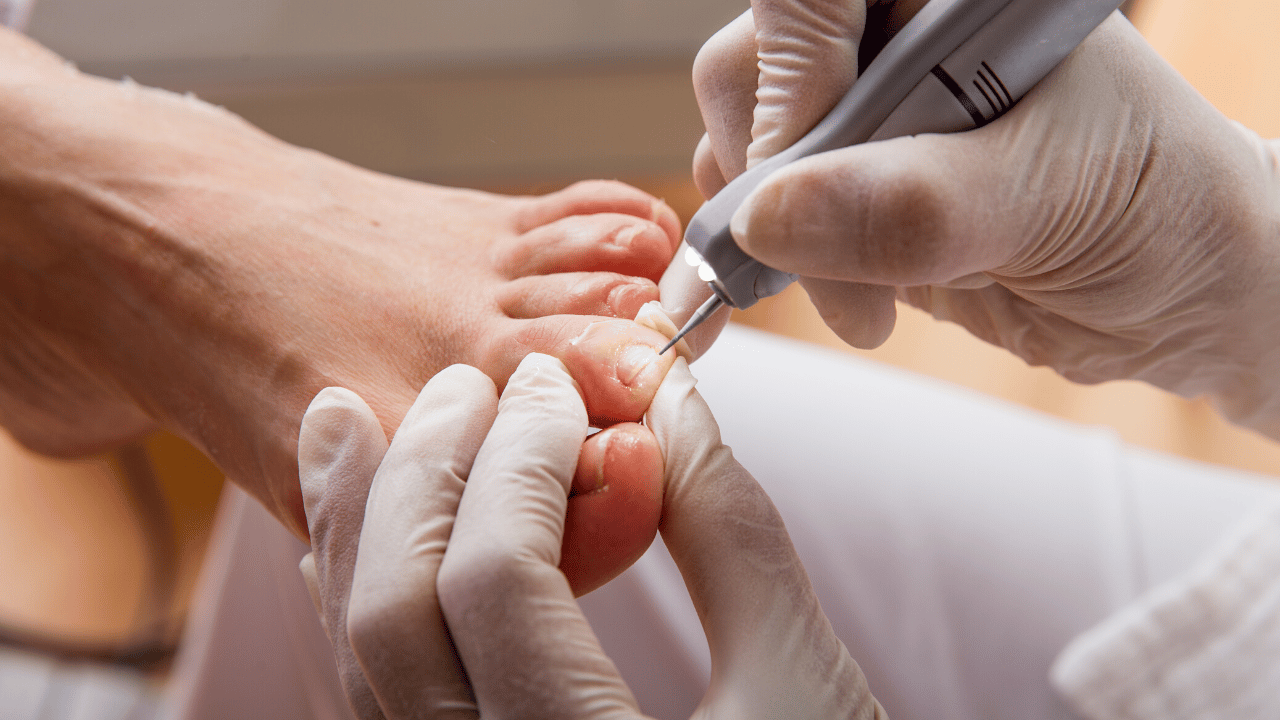
From 170,00 PLN
Effective and safe treatments for nails affected by medical conditions.
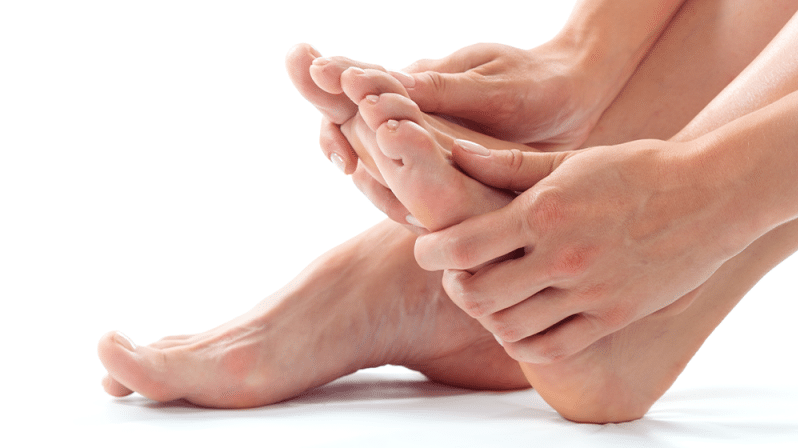
From 130,00 PLN
Callus and hard skin removal at INVICTA Anti-Aging Clinic – discover how we do it!
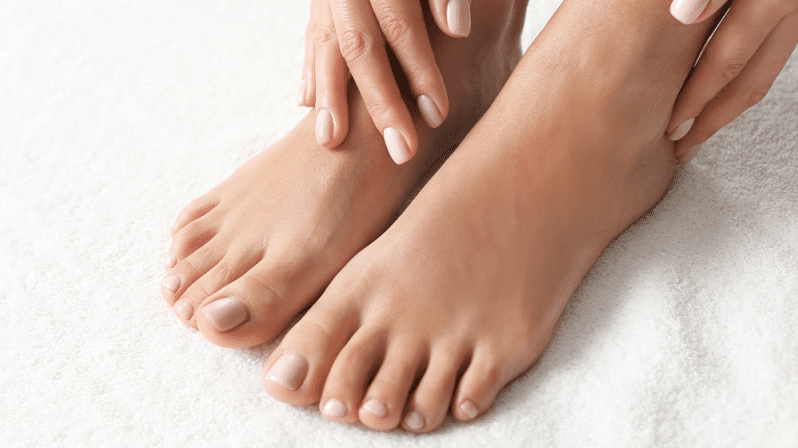
From 150,00 PLN
Acid-based wart removal is a highly effective way to treat viral warts – safe, precise, and scar-free.
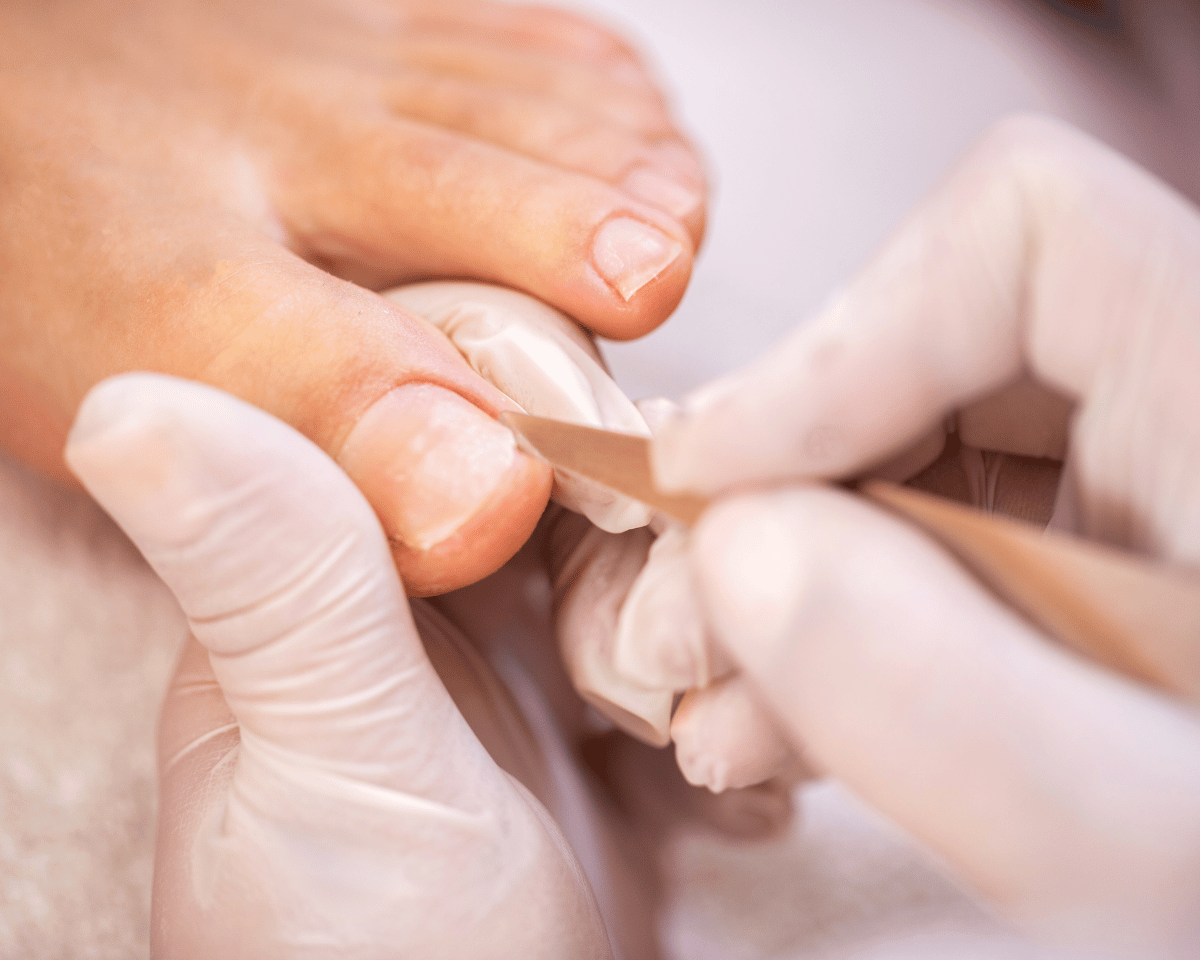
From 70,00 PLN
Nail reconstruction is a professional treatment that restores the healthy, natural look of your feet. Enjoy effective solutions and instantly visible results.
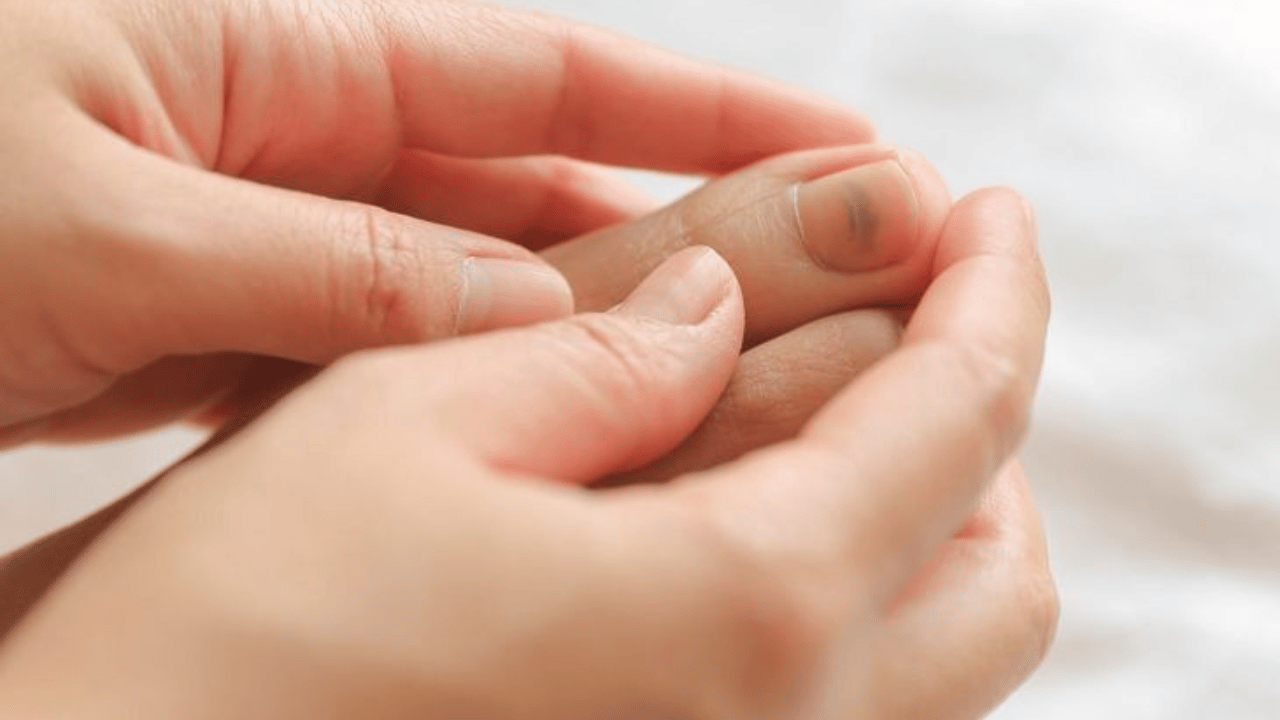
From 140,00 PLN
Unsightly blood under your nail? Say goodbye to the problem — quickly and safely.
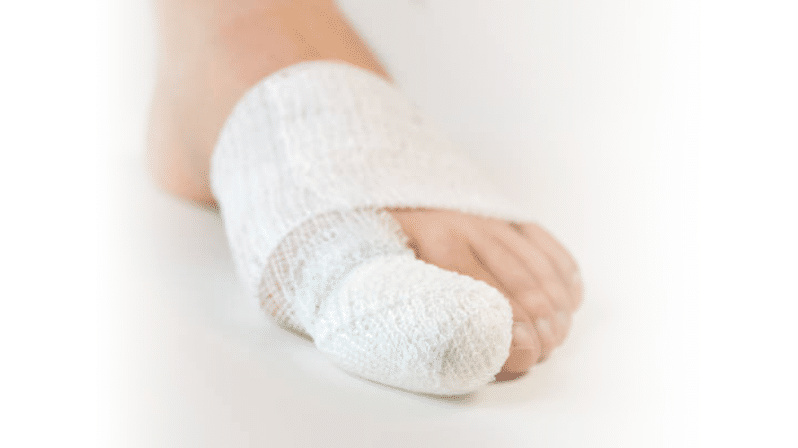
From 30,00 PLN
A quick and painless dressing application – protects the wound, relieves pain, and promotes healing after injuries or treatments.