-
INVICTA Group Services
chevron_left Backclose
INVICTA Group Services
- INVICTA Group
- INVICTA Clinics
- Medical Laboratories
- Fertility Bank
-
Anti-Aging Clinic
- R&D Centre
- Nami
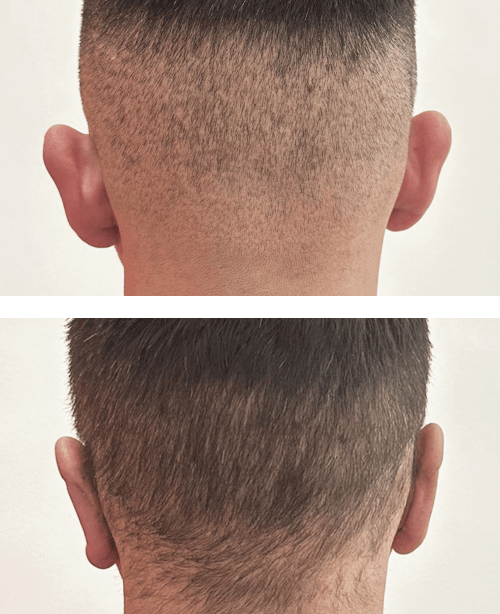
Otoplasty, also known as ear correction surgery, offers patients the opportunity to permanently reshape their ears.
This specialized procedure is designed for individuals who are dissatisfied with the shape, size, or position of their ears, helping to restore a more natural and symmetrical appearance. Beyond enhancing aesthetics, otoplasty can significantly boost a person’s self-esteem and overall confidence.
Perceptibility
Duration
60 min
Recovery time
14 days
Number of treatments in a series
1
2 Weeks Before the Procedure:
1 Week Before the Procedure:
On the Day of the Procedure:
The procedure is intended for individuals who wish to improve the shape, size, or position of their ears. It is especially recommended for those dealing with prominent ears, ear deformities, or damage resulting from traumatic injuries.
After sterile preparation of the surgical area, the specialist reshapes the ear cartilage, which is the main structural element responsible for the ear’s shape.
The procedure is performed under local anesthesia in a treatment room. The patient remains fully conscious and alert throughout the procedure, and hospitalization is not required.
The result of the procedure is an improved shape of the ear, which enhances not only aesthetic appearance but also everyday comfort and confidence.
Protect the treated area from any trauma, excessive sun exposure, UV radiation, dirt, or moisture. Keep the dressings clean and change them as needed. Approximately 7 days after the procedure, return to the clinic for a follow-up visit and suture removal.
Additional recommendations:
We will call you back to arrange a convenient date for you
Meet Our Expert


It’s important to remember that any procedure involving a break in the skin carries a risk of side effects such as hematomas, bruising, redness, or itching. If any of these symptoms become more intense or concerning, please contact the Clinic — we’ll be here to help and support you.
Contraindications for the procedure may include pregnancy, breastfeeding, allergy to local anesthetics, and blood clotting disorders. The use of anticoagulant medications—such as acetylsalicylic acid derivatives (e.g. Aspirin, Polopiryna)—can also pose a risk. Other contraindications include severe systemic diseases, advanced organ failure, and uncontrolled chronic conditions such as diabetes or hypertension. The procedure should also be postponed if you’ve had an infection or antibiotic treatment within the month prior, a herpes outbreak within two weeks before surgery, or if there are any inflammatory conditions or skin lesions in the treatment area. Additionally, specific conditions affecting the outer ear (auricle) may also prevent the procedure from being performed.
In very early childhood—up to around 1 year of age—it is sometimes possible to correct the position of the ear cartilage by using a compression headband. However, beyond this stage, there are no effective alternatives to surgical correction for prominent ears. Otoplasty remains the only reliable treatment method for achieving lasting and precise results.

From 5000,00 PLN
Looking to get rid of a double chin and restore a more youthful appearance?
A chin lift treatment is the perfect solution!
From 4000,00 PLN
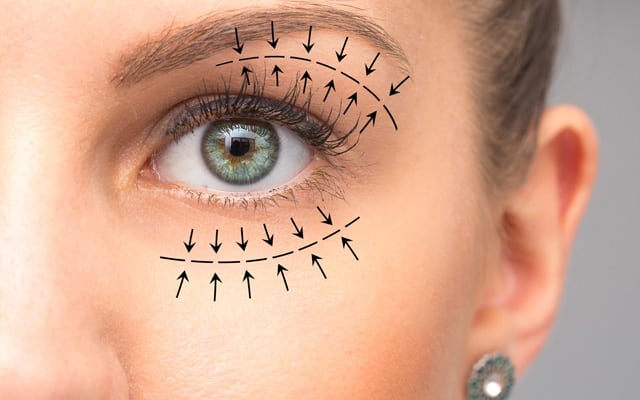
Blepharoplasty, also known as eyelid surgery, is a surgical procedure designed to rejuvenate the eye area and enhance the field of vision.

From 4000,00 PLN
Effective wrinkle reduction and a more youthful facial appearance.

From 4500,00 PLN
Lip lift – a surgical procedure that lifts the lips without the use of fillers.