-
INVICTA Group Services
chevron_left Backclose
INVICTA Group Services
- INVICTA Group
- INVICTA Clinics
- Medical Laboratories
- Fertility Bank
-
Anti-Aging Clinic
- R&D Centre
- Nami
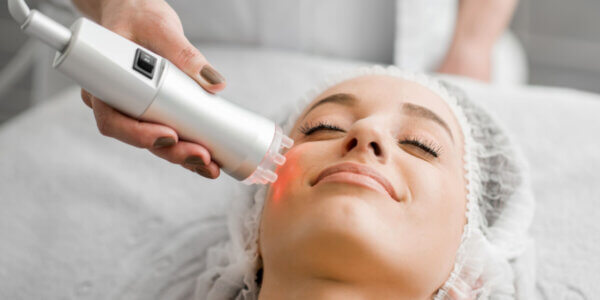
Laser vein removal is a modern aesthetic medicine treatment that uses a Nd:YAG laser to effectively reduce visible blood vessels on the face and body.
During the procedure, the laser beam precisely targets the affected vessels, causing them to constrict and gradually fade from view. The treatment is non-invasive, safe, and requires little to no downtime.
Perceptibility
Duration
30 - 90 min
Recovery time
5 days
Number of treatments in a series
2-4
3 weeks before the treatment:
Discontinue the use of skincare products containing acids (e.g. AHA, BHA, retinoic acid and its derivatives), herbal ingredients, steroid or antibiotic ointments.
Avoid detoxifying or cleansing herbal supplements, as well as oral supplements aimed at improving hair, skin, and nails (such as horsetail-based products like Skrzypovita).
24 hours before the treatment:
Do not consume alcohol.
Avoid using any cosmetics or toners containing alcohol.
This treatment is intended for individuals dealing with broken capillaries, spider veins, or uneven skin tone.
It is suitable for various skin types, tones, and thicknesses.
The procedure is performed using advanced Nd:YAG laser technology.
By precisely delivering light energy into the vessel, the laser heats the blood, causing the water within it to evaporate. This leads to the breakdown of the vessel, which is then naturally absorbed by the body. During the first session, the specialist may not be able to close all visible vessels at once.
This means that the treatment should be repeated at least twice on the same area.
A follow-up session can be performed after 3 to 4 weeks.
Some improvement in vessel closure and skin tone may be visible immediately after the treatment.
However, it takes around 6 weeks for the specialist to assess whether the vessel has fully closed. The final results may take up to 6 months to appear, depending on the individual healing process.
A series of treatments is usually recommended — typically between 2 and 4 sessions.
Treatments can be repeated every 4 to 6 weeks, depending on the severity of the condition. It is essential to protect the treated areas from sun exposure for at least 2 weeks following the procedure.
We will call you back to arrange a convenient date for you
meet our expert


The most commonly observed post-treatment reactions include a burning or stinging sensation, which may last for a few hours after the procedure. Redness and swelling can occur as an immediate effect, along with itching — especially around the nose and cheeks. It’s also normal to experience increased skin sensitivity in the treated area. These reactions are temporary and typically resolve on their own.
Contraindications for the treatment include: pregnancy and breastfeeding, vitiligo and other autoimmune disorders, tumors and cancers, hypersensitive skin, recent botox or filler injections in the treatment area (within the past 7 days), uncontrolled diabetes, mental health disorders, active infections (including diarrhea and vomiting), contagious or infectious diseases, sunburn, active herpes lesions in the treatment area, a tendency to develop keloids or hypertrophic scars, use of photosensitizing substances or medications, treatment with isotretinoin, photosensitivity, recent tanning, pacemaker, insulin pump, metal implants, thrombosis, phlebitis, bruising, broken skin, epilepsy, high or low blood pressure.
Among the alternative treatment methods are electrocoagulation and sclerotherapy.
Depending on the location of the vascular changes, the specialist will recommend the most appropriate method, taking into account medical indications, contraindications, and the patient’s expectations.
350,00 PLN
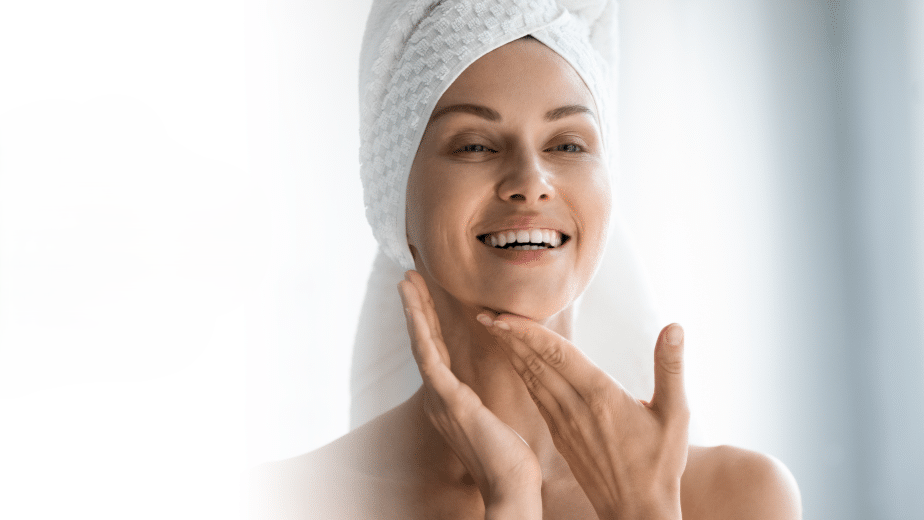
Laser therapy is a proven and effective way to reduce redness on the face, neck, or chest. This treatment is especially recommended for individuals with couperose (vascular) or sensitive skin prone to visible capillaries.
From 500,00 PLN
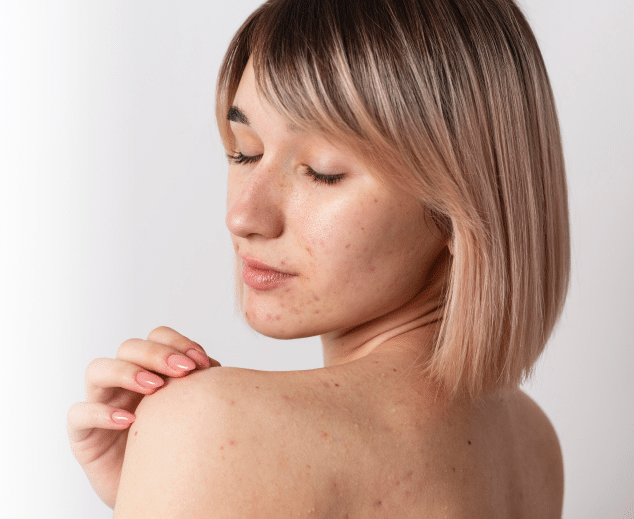
An effective treatment that reduces inflammation, speeds up skin regeneration, and helps fade post-acne discoloration.

From 350,00 PLN
Pain-free, no-downtime skin rejuvenation. It smooths wrinkles, boosts elasticity, and gives your skin a healthy, radiant glow.
From 300,00 PLN
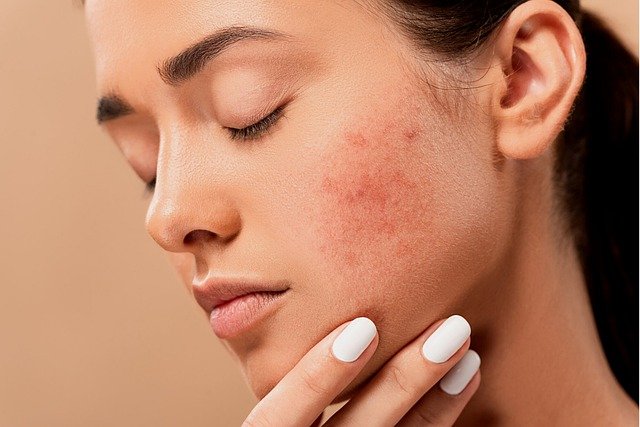
The laser stretch mark and scar removal procedure works by delivering controlled laser energy to the skin, which stimulates the regeneration of its deeper structures.
From 150,00 PLN
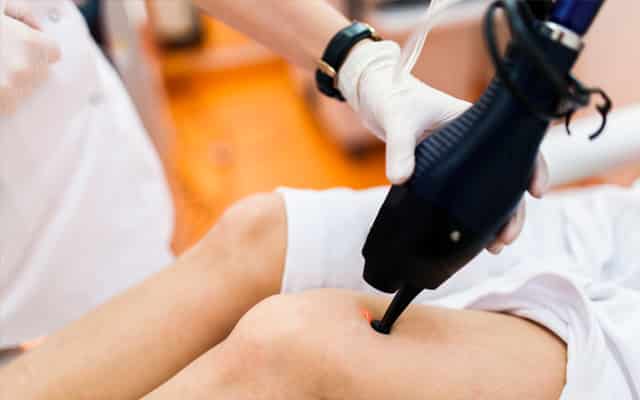
Laser therapy is an effective way to treat skin discoloration.
The laser light targets and corrects pigment spots, helping to restore a more even and uniform skin tone.
From 600,00 PLN
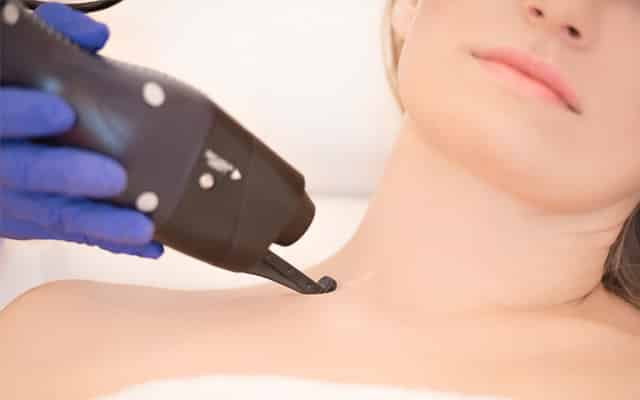
CO2 laser skin rejuvenation is a highly effective treatment for smoothing out imperfections and addressing the first visible signs of aging.

From 300,00 PLN
Skin rejuvenation with non-ablative resurfacing using a Nd:YAG laser
300,00 PLN
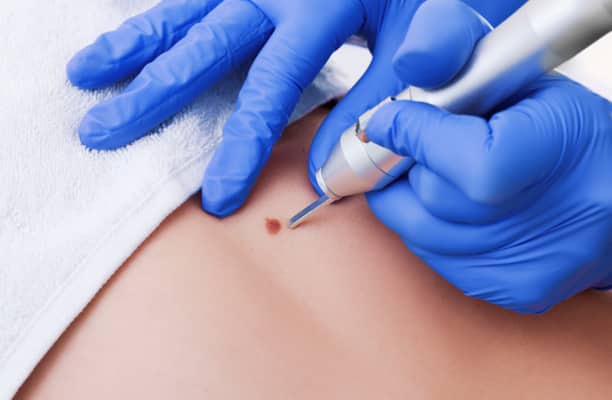
Laser removal of skin imperfections (such as moles, warts, and skin tags) is an effective and non-invasive treatment option.