-
INVICTA Group Services
chevron_left Backclose
INVICTA Group Services
- INVICTA Group
- INVICTA Clinics
- Medical Laboratories
- Fertility Bank
-
Anti-Aging Clinic
- R&D Centre
- Nami
Fingertip reconstruction is a precise surgical procedure designed to restore both the natural appearance and full function of the fingertip. It typically involves the removal of excess bone tissue and reshaping of the soft tissues to improve both aesthetics and mobility. This treatment is especially recommended for individuals who have experienced fingertip injuries or suffer from deformities, and are seeking to regain comfort, dexterity, and hand functionality.
Perceptibility
Duration
60 min
Recovery time
10-20 days
Number of treatments in a series
1
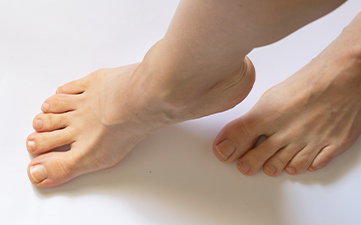
Toe tip reconstruction is recommended for individuals experiencing medical issues affecting the toenail area. This procedure can help in cases such as:
During the procedure, the surgeon makes a precise incision in the tip of the big toe, exposes the underlying bone, and carefully removes any excess bone tissue that’s causing a bony prominence of the distal phalanx.
The treatment is performed under local anesthesia in a dedicated procedure room. The patient remains fully awake and conscious throughout, and no hospital stay is required—it’s a same-day, outpatient procedure.
We will call you back to arrange a convenient date for you
The goal is to correct deformities in the toe tip in order to restore its natural shape and support proper nail growth.
The procedure is performed under local anesthesia. Aside from a brief pinch when the anesthetic is administered, the patient does not feel any pain during the surgery itself.
After the nail fold is surgically removed, sutures are placed and typically removed after about 2 weeks—anywhere between 10 to 20 days, depending on individual healing. Some discomfort or pain may be experienced for 2 to 5 days following the procedure, but this is a normal part of the recovery process and usually manageable with standard pain relief.
Toe tip reconstruction is not recommended in cases of uncontrolled diabetes, active cancer, or if the patient has undergone radiotherapy or chemotherapy within the last six months. Other contraindications include thromboembolic disease—particularly a history of deep vein thrombosis in the lower limbs—blood clotting disorders, and a tendency to develop keloids or experience abnormal wound healing. The procedure is also not advised for individuals who are unmotivated or unlikely to comply with post-operative care, as well as for those who are pregnant or breastfeeding. Each case is carefully evaluated to ensure patient safety and the best possible outcome.
Three days before the procedure, after your evening bath, you should disinfect the toe using a specialized antiseptic recommended by your clinic. Afterward, gently cover the area with a sterile bandage. Depending on the condition of the toe, your specialist may also prescribe an antibiotic as a preventive measure.
To properly care for the surgical site after the procedure and until the sutures are removed, make sure to have the following supplies ready:
Hematoma, infection at the surgical site, localized skin necrosis, delayed wound healing, and lack of the desired outcome.
During the healing process, patients may experience bruising, mild swelling, redness around the sutures, discharge, wound dehiscence, and pain or discomfort—depending on individual predispositions and sensitivity.
Around 14 days after the procedure, the patient returns to have the stitches removed. In some cases, dressings may still be required until the wound is fully healed. Once the skin has completely regenerated, it’s important to apply a specialized scar prevention product, along with an ointment that supports healing and stimulates healthy nail regrowth.
Even after the stitches are removed, the patient remains under the care of a podiatrist, who continues to oversee the healing process and further therapy.
Follow-up visits typically include:
Continued healing at home after suture removal – care recommendations: