-
INVICTA Group Services
chevron_left Backclose
INVICTA Group Services
- INVICTA Group
- INVICTA Clinics
- Medical Laboratories
- Fertility Bank
-
Anti-Aging Clinic
- R&D Centre
- Nami
Tight, ill-fitting shoes — along with other external factors — can put pressure on the toes and lead to subungual hematomas, or blood collecting under the nail. This issue isn’t just about discomfort or even pain. It also affects how your nails look. The nail plate darkens or changes color, often making people feel self-conscious about showing their feet — especially in places like the beach or pool. So how can you deal with this embarrassing problem? The best solution is to see a specialist who can treat it safely and effectively.
Perceptibility
Duration
30 min
Recovery time
none
Number of treatments in a series
1
This treatment is recommended for anyone who has developed a subungual hematoma and is experiencing either physical discomfort or emotional distress because of it.
It’s best to see a podiatrist as soon as possible after the injury — ideally within the first 72 hours.
The podiatrist will first examine the area where the subungual hematoma has formed. Then, a gentle puncture is made in the nail plate or just beside it to allow the built-up blood and plasma to drain out. The procedure is virtually painless — you’ll feel only a mild pinch — and the duration depends on the size of the hematoma.
We will call you back to arrange a convenient date for you
meet our expert


A subungual hematoma is essentially a bruise that forms beneath the nail plate. It typically occurs as a result of mechanical trauma — either from a sudden, one-time incident (such as a direct blow or dropping a heavy object on the foot) or from prolonged, repeated pressure, like wearing shoes that are too tight.
The level of discomfort depends on the size and depth of the injury. In some cases, the pressure from the pooled blood causes pain by pushing against the sensitive nail bed. However, not all hematomas are painful. Sometimes, the only sign is discoloration — the nail darkens, and the unsightly mark can remain visible for several weeks as the nail grows out.
Before the procedure, avoid using any corn removal products or acid-based exfoliants, such as foot peeling socks. If the injured nail is covered with polish, gently remove it so the subungual hematoma is clearly visible.
The patient removes their footwear, and the specialist begins by cleaning and preparing the area where the blood has pooled. Depending on the specific case, a small puncture is made either in the nail plate itself or in the skin right next to the hematoma. Through this tiny opening, the built-up blood and plasma are gently drained. The entire procedure typically takes up to 30 minutes. To finish, a sterile dressing is applied to protect the nail from dirt, bacteria, and potential infection.
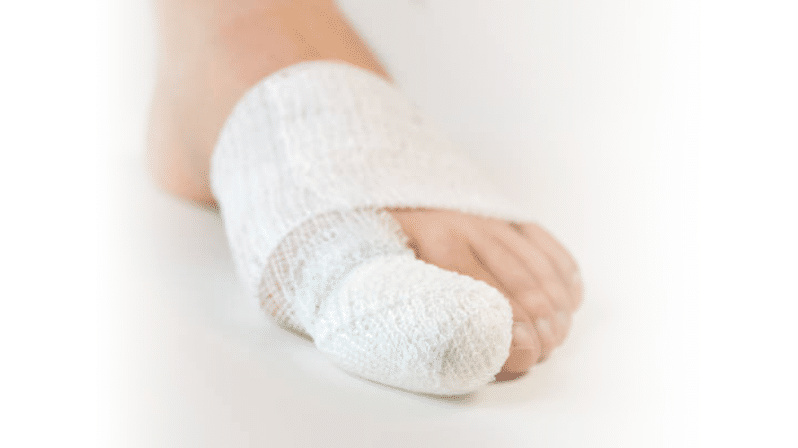
After the subungual hematoma removal procedure, the podiatrist applies a special antibacterial dressing. You should avoid getting the toe wet while the dressing is in place.
The procedure to drain a subungual hematoma cannot be performed if the injury is several days old and the blood under the nail has already clotted. That’s why it’s important to visit us within 3 days of the injury. Another contraindication is the presence of blood clotting disorders, such as hemophilia, which may increase the risk of complications.
The result of the procedure is the removal of trapped blood from beneath the nail plate, faster healing, and a noticeable improvement in the appearance of the nail.
No, the procedure does not need to be repeated – it’s a one-time treatment.

From 230,00 PLN
Get rid of calluses, corns, and dry heels. Restore and nourish your feet with the KART pedicure – a safe and effective treatment, also suitable for pregnant women and people with diabetes.

200,00 PLN
Discover effective laser nail fungus treatment at INVICTA Anti-Aging Clinic – a quick and safe way to get rid of the problem for good.
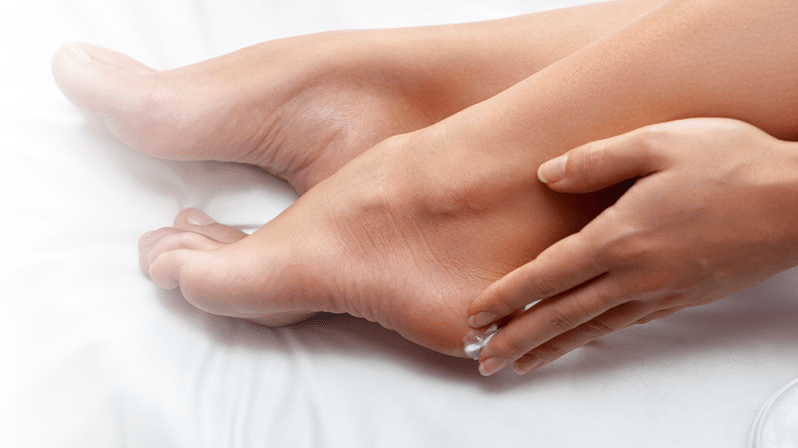
From 150,00 PLN
Cracked heels and heel fissures are a common discomfort — but they can be easily resolved with a simple treatment.
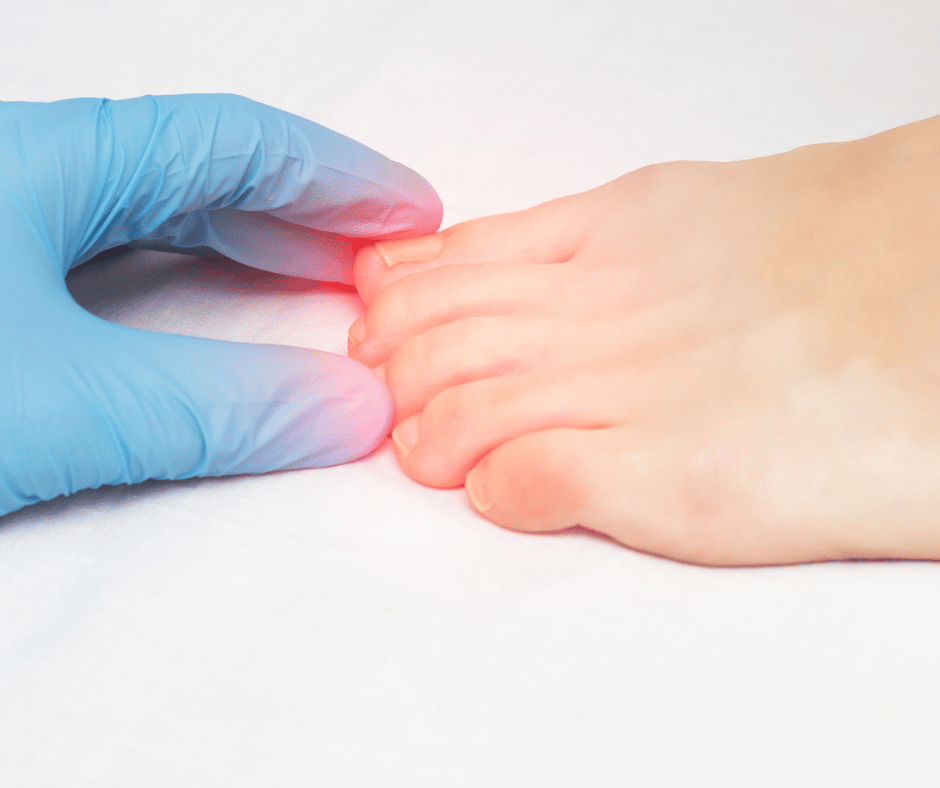
From 230,00 PLN
An effective method for relieving pain and preventing infections, while restoring the natural shape of the nail and making walking comfortable again.
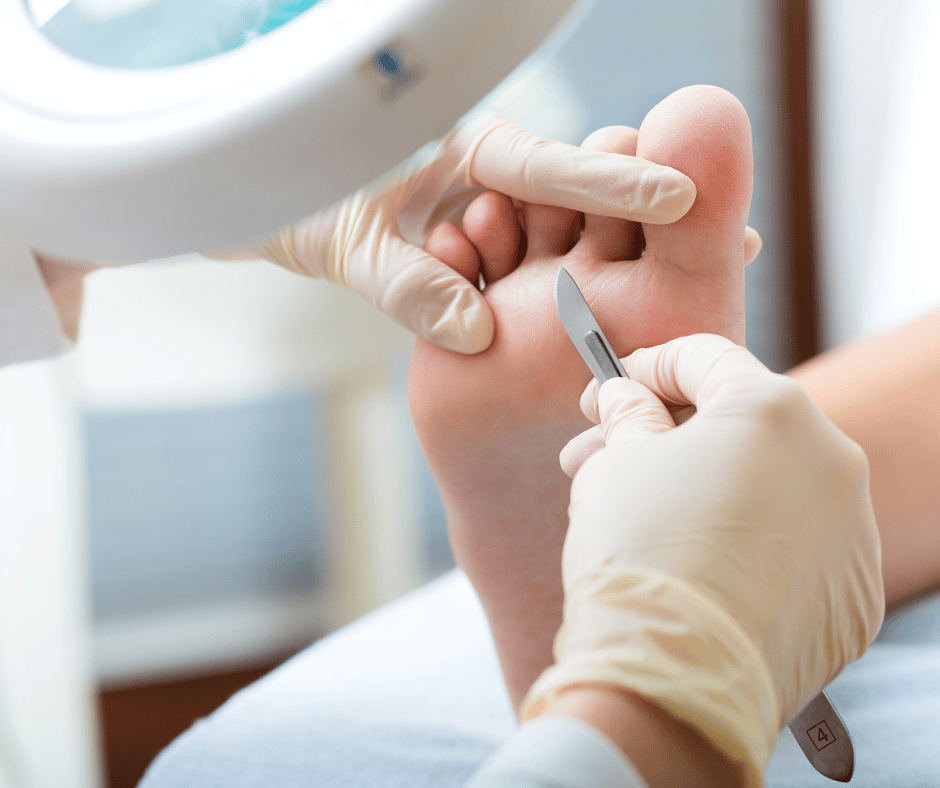
From 200,00 PLN
Medical Pedicure – effective treatment and expert foot care.
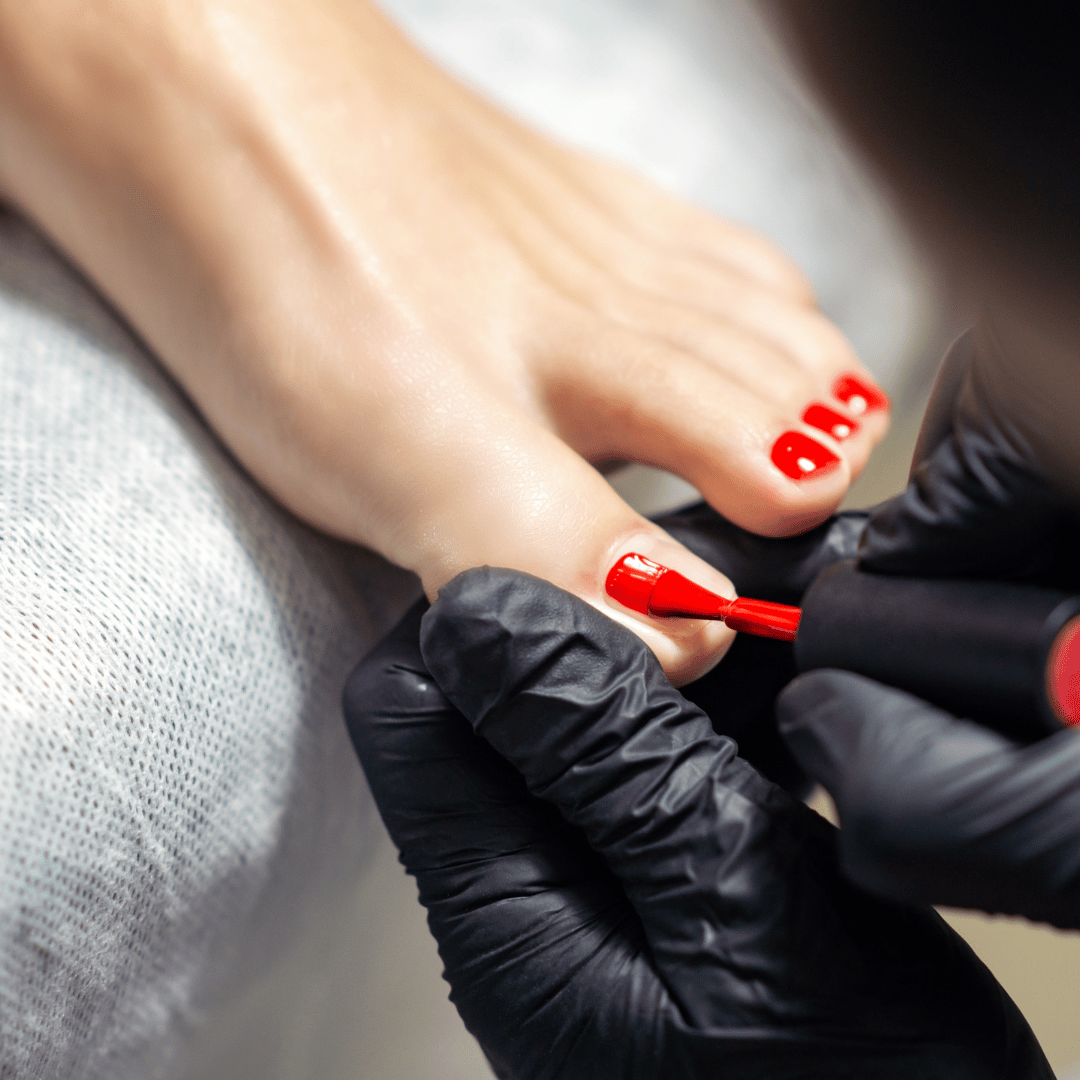
From 190,00 PLN
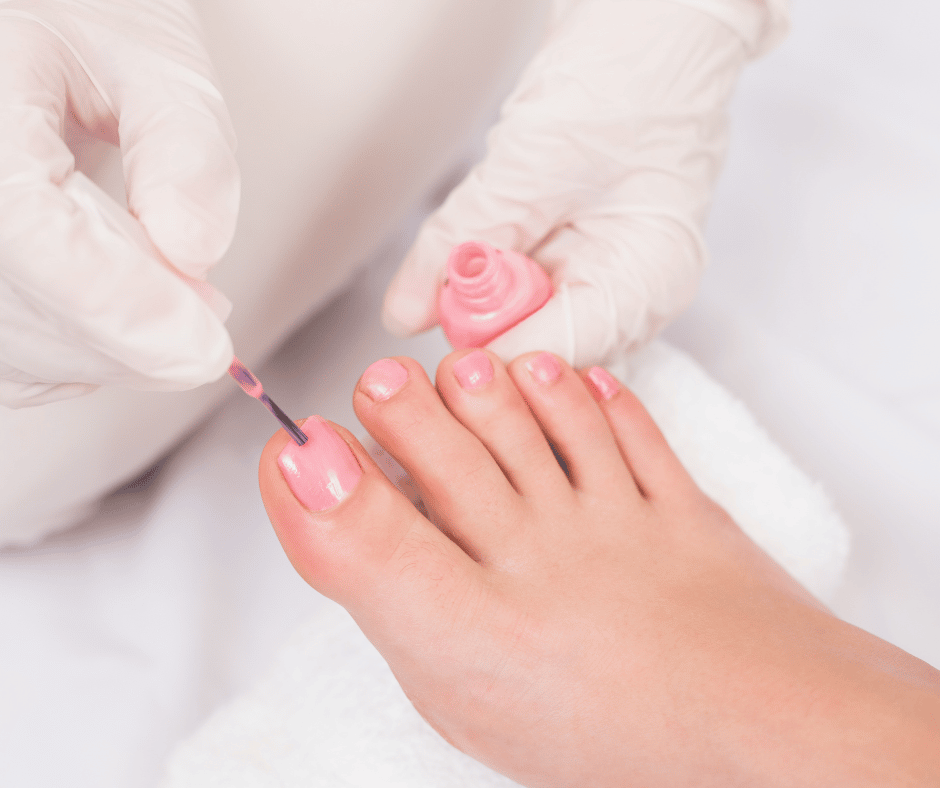
A gel polish pedicure is a great way to keep your feet looking flawless – not just during the summer months.
From 160,00 PLN
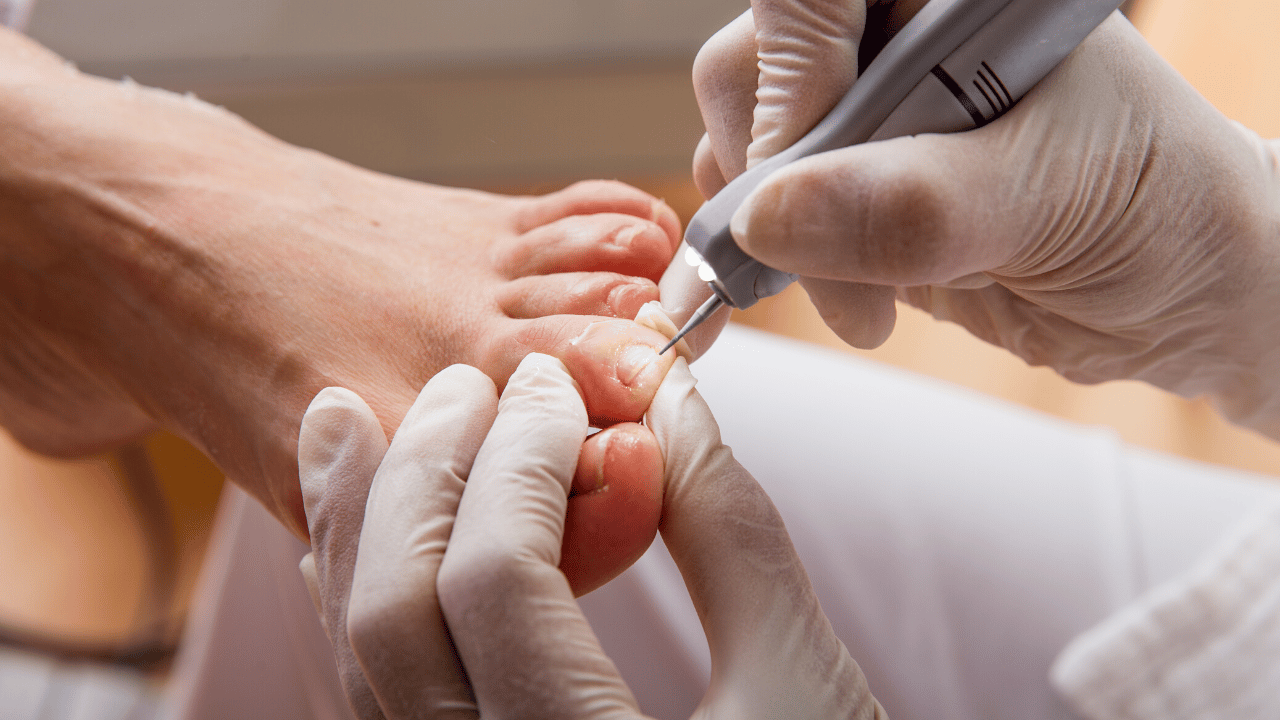
A classic pedicure is a fundamental foot care treatment.
From 170,00 PLN
Effective and safe treatments for nails affected by medical conditions.
From 130,00 PLN
Callus and hard skin removal at INVICTA Anti-Aging Clinic – discover how we do it!

From 150,00 PLN
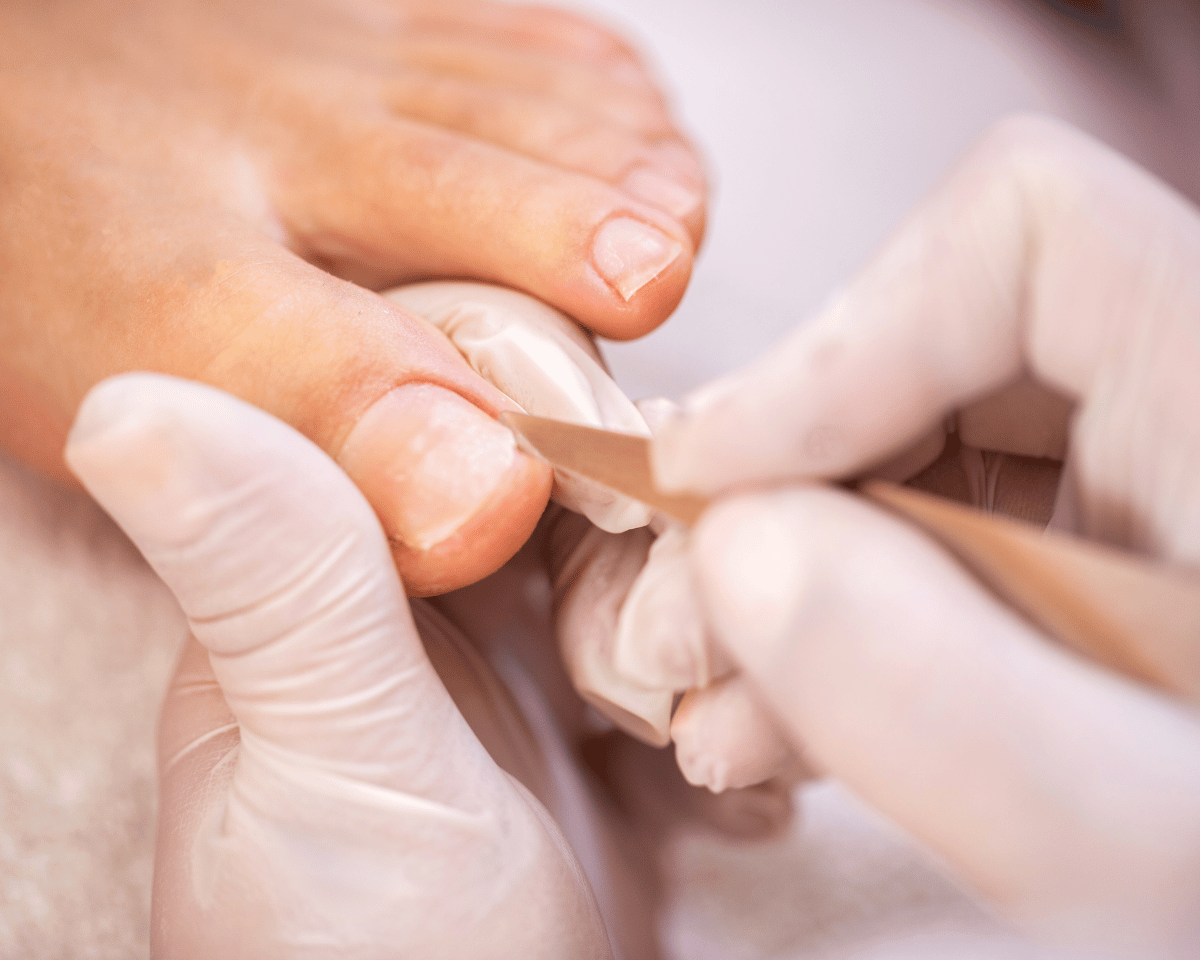
Acid-based wart removal is a highly effective way to treat viral warts – safe, precise, and scar-free.
From 70,00 PLN
Nail reconstruction is a professional treatment that restores the healthy, natural look of your feet. Enjoy effective solutions and instantly visible results.
From 30,00 PLN
A quick and painless dressing application – protects the wound, relieves pain, and promotes healing after injuries or treatments.

120,00 PLN
Struggling with foot issues or simply want to improve their appearance? Book a podiatry consultation at INVICTA Anti-Aging Clinic.