-
INVICTA Group Services
chevron_left Backclose
INVICTA Group Services
- INVICTA Group
- INVICTA Clinics
- Medical Laboratories
- Fertility Bank
-
Anti-Aging Clinic
- R&D Centre
- Nami
Publish date: 27 June 2025
Read in: 10 min
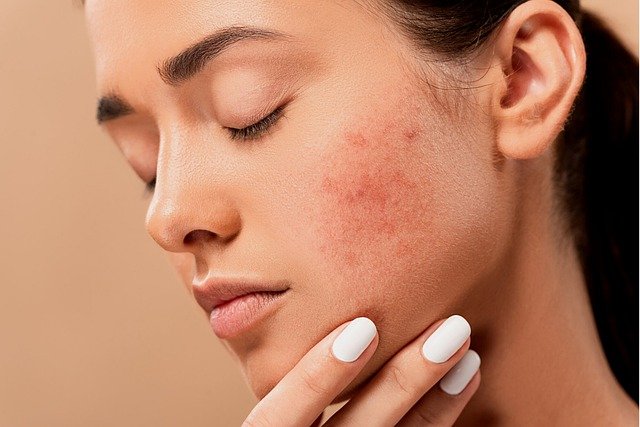
Most people have scars, whether from past surgeries, procedures, or unfortunate accidents. What they all have in common is that they tell a story and serve as a physical reminder of what we’ve faced in the past. However, for many, scars can cause discomfort, embarrassment, and even become a barrier in daily life. Fortunately, there are effective and modern methods for scar removal. What are they?
Most of us have scars, whether small or large. They form as part of the natural healing process after an injury or surgical procedure. The way this process unfolds largely depends on the extent of damage to the skin and underlying tissue layers. Other factors, such as whether there are disruptions at any stage of healing — hemostasis, inflammation, proliferation, and remodeling — also play a role. Additionally, the final appearance of a scar is influenced by factors such as the location of the injury, the type of trauma (burn, cut, incision, or crush), age, genetics, gender, ethnicity, and individual tendencies toward scarring.
In the case of scars, the damaged tissue or skin is replaced by new tissue made of collagen fibers, which are initially arranged randomly and later become more organized. Unfortunately, both the structure and color of this tissue stand out compared to the surrounding healthy skin. The surface of the scar is much thinner than the surrounding skin and lacks sweat and sebaceous glands, hair follicles, and melanocyte-producing cells, making most scars lighter than the rest of the body.
Scars are classified based on various factors. They are most commonly categorized by their origin, the time they were formed, and their appearance. The first group includes scars from burns, surgeries, and cesarean sections. The second category is divided into immature scars (which are red, slightly raised, and may cause skin tightness, itching, or even pain) and mature scars (which, through proper healing, become lighter in color and soft to the touch). When classified by appearance, scars are grouped as follows:
Hypertrophic Scars – These typically result from prolonged wound healing, often due to improper care (e.g., lack of proper dressing or infection). They are thickened and red but remain within the boundaries of the original skin.
Atrophic Scars – These occur when the healing process is disrupted due to insufficient production of connective tissue fibers, commonly from conditions like acne or chickenpox. They create depressions in the skin, which become more visible with age. Atrophic scars can vary in depth and shape (usually round). Stretch marks are also considered atrophic scars.
Keloid Scars – These are caused by excessive collagen production during wound healing, especially after cuts. Unlike hypertrophic scars, keloids extend beyond the original wound site and continue to grow over time, never flattening or shrinking on their own. They typically have an irregular shape and are purple or red in color. Keloid scars often form between the ages of 10 and 30, especially in individuals with darker skin tones.
Contracture Scars – These scars form in the skin folds and occur due to the tightening of connective tissue, especially in the later stages of burn wound healing. They can be deep and may pull the skin, limiting movement. Contracture scars often require surgical treatment.
Many people have scars that result from surgeries, cuts, injuries, illness, accidents, burns, or acne. They tell the story of our lives and remind us of the challenges we’ve faced. However, scars, especially those in visible areas, can pose serious aesthetic and medical problems. For most people who have them, scars are a source of discomfort and shame, often leading to insecurities.
Scars are still stigmatized in society, and many studies show that people with facial scars are more likely to be perceived as emotionally unstable and untrustworthy. Even in the age of body positivity, most people feel self-conscious and insecure about anything that doesn’t fit the narrow beauty standards promoted by social media. But scars aren’t just an aesthetic issue; they can also be a medical one. They can make daily functioning difficult, cause pain, tenderness, and itching, as well as disrupt sleep, leading to anxiety and depression.
Unfortunately, complete removal of large scars is impossible, as scar formation is part of the natural skin healing process and leaves a permanent mark from the injury. The effectiveness of the treatment methods depends on the type of scar and its location. It is also crucial to start treatment as soon as possible; the earlier it begins, the better the results will be.
Currently, there are many effective and modern scar removal methods. However, it’s important to know that depending on the type of treatment, the scar removal process can be complicated and lengthy, so it’s essential to prepare adequately. Ultimately, the method of scar removal will be determined by the specialist you consult (this could be a cosmetologist, dermatologist, or surgeon).
Depending on the type of scar, its appearance can be improved not only through surgical methods but also with cosmetic treatments, aesthetic medicine procedures, and therapeutic treatments. The most commonly used methods for scar removal include:
Laser scar removal using a medical CO2 fractional laser is one of the most effective and least invasive methods. Fractional technology is a modern, non-surgical solution that can remove both mature and fresh scars of various origins, including stretch marks and scars from acne, surgery, mechanical injuries, and burns. Through ablation, coagulated cellular debris is replaced by regenerated, healthy tissue. The procedure is performed after numbing the skin and typically doesn’t require a long recovery period, usually lasting between 14-28 days.
The first results are visible after the skin heals, but depending on the type of scar, several sessions may be necessary. Initially, the treatment reduces the visibility of the scar, and with continued sessions, it can almost completely remove the mark. Additionally, the laser has rejuvenating effects on the skin, making it firmer and giving it a fresh appearance. It smooths out both fine and deep wrinkles, improves the condition and firmness of loose skin, and evens out the skin tone, also addressing some discoloration (check out our article: How to get rid of dark spots on your face?).
Microneedling is an excellent method for removing all types of scars, including acne scars, post-traumatic scars, and stretch marks. This highly effective and safe skin needling treatment uses patented pulsating needles technology. The process of needling stimulates the skin’s regeneration (the micro-injuries created during the treatment prompt the skin to activate its natural repair and healing abilities), gradually reducing the appearance of scars.
To achieve satisfying results, the treatment should be repeated every 4 weeks, with a minimum of three sessions. After the procedure, you can typically resume normal daily activities.
Diamond microdermabrasion is a less advanced form of dermabrasion that provides good results, especially for removing individual, superficial acne scars. The treatment involves mechanically exfoliating the dead layer of skin using an abrasive material containing diamond particles. Diamond microdermabrasion deeply cleanses the skin while stimulating microcirculation and regenerative processes. As a result, it helps eliminate imperfections and gives the skin a healthy appearance. The effects are immediate and typically last for about 28 days. However, to see a noticeable reduction in scar depth, the procedure needs to be repeated several times.
Relying solely on over-the-counter ointments and creams is not enough to effectively reduce scars. For satisfactory results, it is worth considering the effective and modern methods of scar removal currently available.

Read more