-
INVICTA Group Services
chevron_left Backclose
INVICTA Group Services
- INVICTA Group
- INVICTA Clinics
- Medical Laboratories
- Fertility Bank
-
Anti-Aging Clinic
- R&D Centre
- Nami
Update date: 1 September 2025
Publish date: 16 June 2025
Read in: 9 min
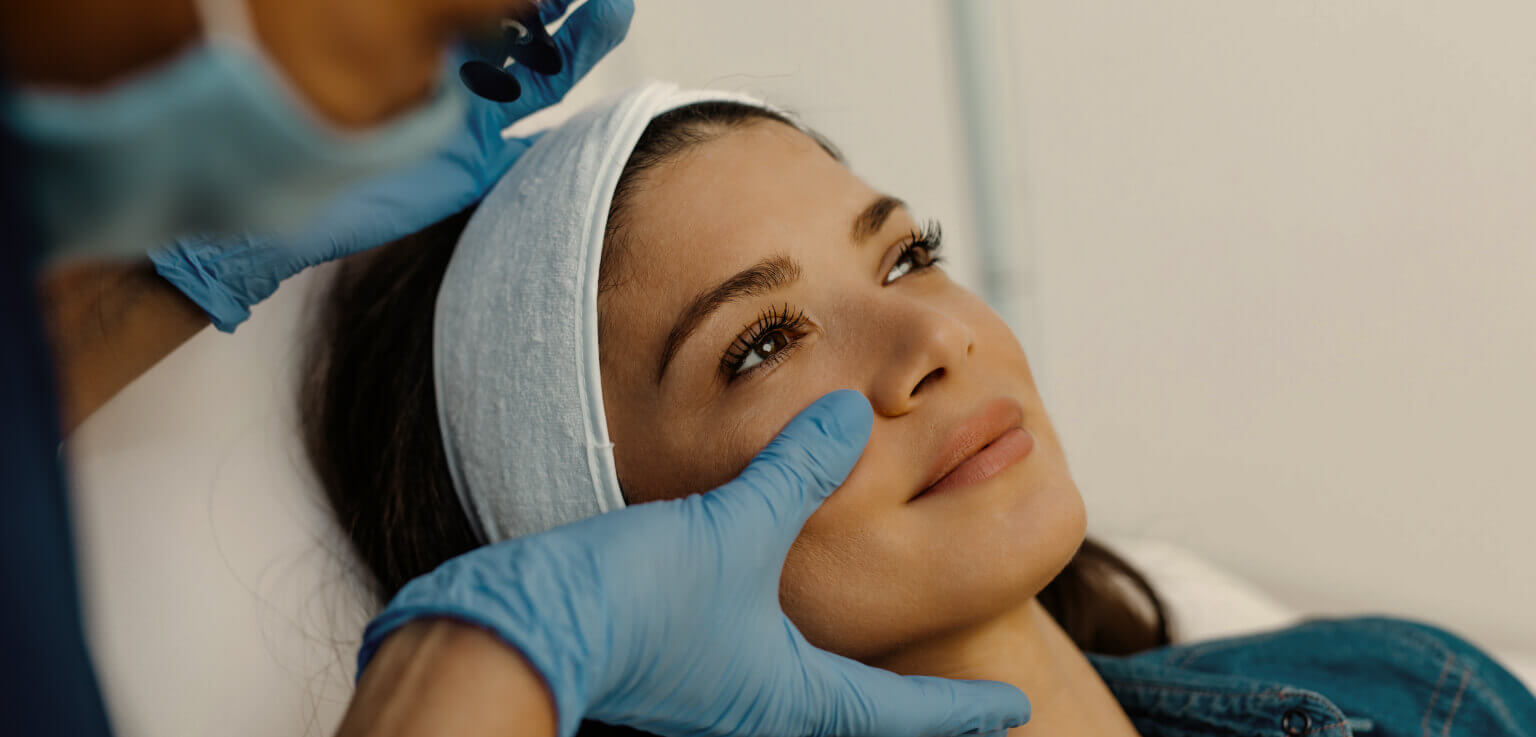
Botulinum toxin treatments—commonly known as Botox—are among the most popular procedures in aesthetic medicine. Their widespread appeal isn’t just due to how effective they are or how quickly results become visible. Patients also love the fact that the treatment is minimally invasive and generally well tolerated. But is a Botox treatment completely hassle-free? Can careless aftercare actually diminish your results? What should you be mindful of—and what should you avoid altogether—to ensure the best possible outcome?
Table of Contents
Let’s start with a few words about Botox. Aesthetic medicine treatments are sought after by people of all ages and at different stages of life. However, those who most often inquire about botulinum toxin are individuals beginning to notice the first signs of aging—whether subtle or more pronounced. The procedure is performed by an experienced aesthetic medicine doctor, which makes it completely safe, and the results of Botox become visible relatively quickly.
Botox is a treatment that effectively helps reduce common concerns such as:
The role of botulinum toxin is to partially relax the muscle responsible for creating expression lines. Botox is administered subcutaneously with a fine needle, making the procedure virtually painless and eliminating the need for anesthesia. Subtle effects can often be noticed within just two days, while the full results usually develop over the course of up to two weeks. For best outcomes, the treatment is recommended every six months.
Undergoing any procedure for the first time often comes with a degree of worry or uncertainty. It is worth remembering, however, that botulinum toxin is a safe substance, and an aesthetic medicine physician injects only a small amount beneath the skin. In a controlled manner, the toxin temporarily relaxes specific facial muscles responsible for the wrinkle or crease targeted for treatment. The body tolerates it well, and complications are rare.
In some cases, minor swelling or redness may appear, but these usually disappear within a few hours after the procedure. It is important, however, to carefully follow the doctor’s aftercare instructions and be mindful of the activities that should be avoided immediately after Botox.
It is generally advised not to lie down or bend forward for at least four hours after a Botox treatment. In particular, patients should avoid tilting their head downward. That’s why we recommend focusing on activities that can be done in a seated position. We often jokingly suggest to our patients that this is the perfect time to watch a movie at home in a comfortable chair. Of course, other activities are fine as well—just avoid reading a book or scrolling through social media with your head bent forward.
Why is this important? After the injection, Botox disperses within the skin and muscle. We want to make sure it spreads properly and in the right direction. Additionally, if a patient falls asleep too soon after the treatment, they cannot control their sleeping position and may unintentionally put pressure on the treated area.
The effects of Botox do not appear immediately but develop gradually—typically between 4 and 14 days. Some patients notice the full results fairly quickly, while others need to be a bit more patient. Interestingly, even in the same individual, the onset of results may vary from one treatment to another.
Weaker muscles tend to respond to botulinum toxin first. This means that when treating the forehead or eye area, the initial effect may appear uneven. This is completely normal.
By around day 14, the full and balanced effect of muscle relaxation should be visible. If, after this period, muscle movement or asymmetry is still noticeable, a follow-up appointment is recommended to administer a touch-up.
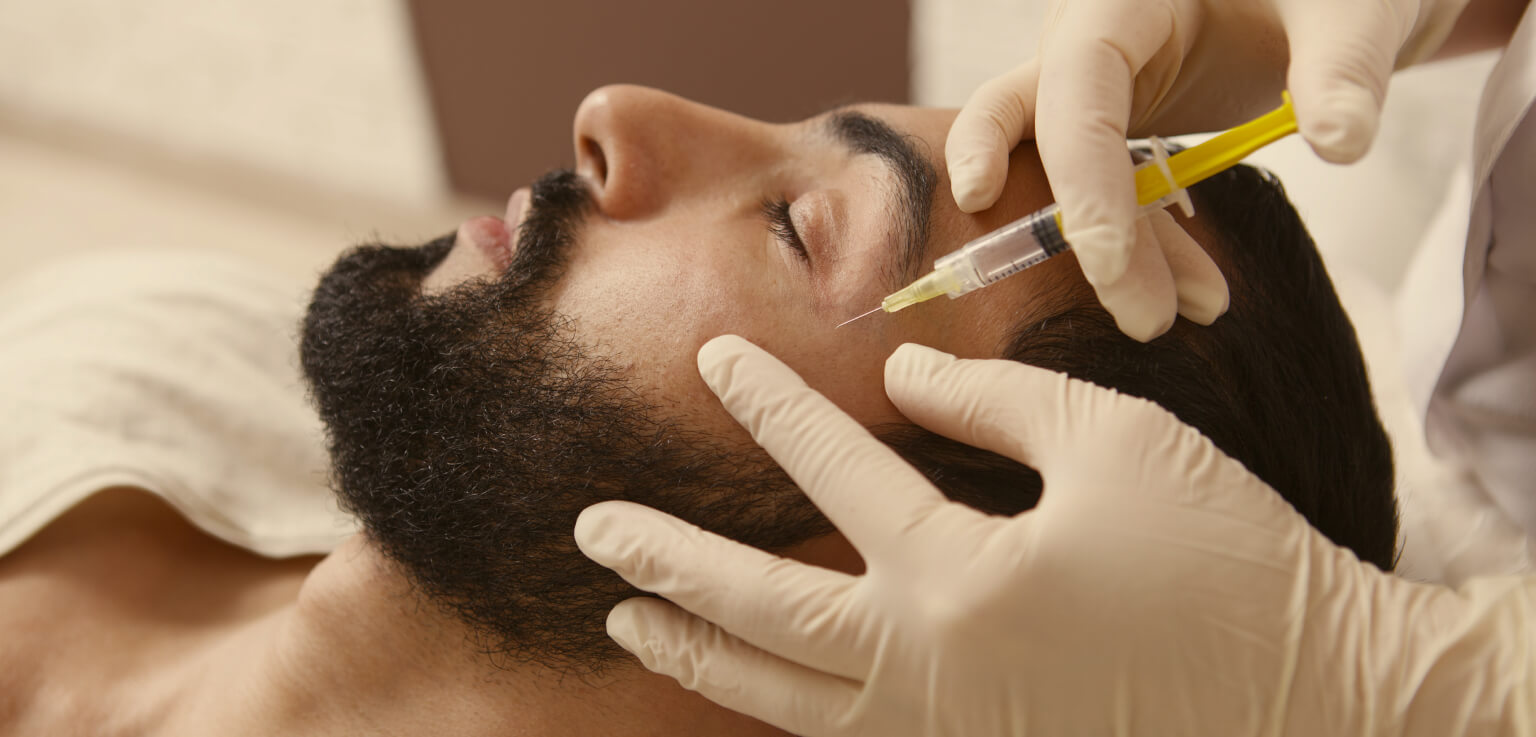
The treated area should not be massaged, touched, or exposed to other procedures immediately after Botox. Heat-based treatments such as lasers or radiofrequency may interfere with the effectiveness of the toxin, while applying acids to skin irritated by injections can cause further irritation.
That’s why we follow the golden rule: take a 14-day break from any additional cosmetic treatments.
So, what can Botox be combined with? It pairs well with other facial procedures—for example, hyaluronic acid fillers (as long as they do not target the same area treated with Botox). It can also be safely combined with mesotherapy, but the same principle applies: avoid interfering with the area where Botox was injected. Just as importantly, any additional procedures such as fillers or mesotherapy should be performed by the same physician who administered the Botox. This ensures that the specialist can accurately determine which areas must be avoided.
Flying after Botox is not recommended. You should wait at least 24 hours between the treatment and your flight. Why? Because changes in air pressure during air travel may negatively affect how the toxin works.
Immediately after a Botox treatment, it is important to avoid any factors that may increase blood pressure—and this includes more than just air travel. High-alcohol beverages can also raise blood pressure, which is why patients are advised not to drink alcohol during the first 24 hours following the procedure.
Many patients wonder whether they can exercise after Botox. The answer is yes—but not right away! For the first 24 hours after treatment, you should avoid going to the gym, engaging in intense sports, swimming, or even activities that cause sweating. On the following day and throughout the next week, only light physical activity is recommended. After that, you can safely return to your regular workout routine.
It’s important to remember that botulinum toxin does not respond well to high temperatures. Frequent use of saunas, tanning beds, or excessive sun exposure can shorten the effects of the treatment. For this reason, it’s best to avoid these activities for at least one week after your procedure.
During the first 24 hours after Botox, we recommend using only gentle facial cleansers. At the same time, avoid pressing or massaging the skin, and do not use exfoliating products. Makeup should also be avoided for the first day. In the following days, you can safely return to your usual skincare routine.
In Summary: What to Avoid After Botox – and What to Keep in Mind”


Read more