-
INVICTA Group Services
chevron_left Backclose
INVICTA Group Services
- INVICTA Group
- INVICTA Clinics
- Medical Laboratories
- Fertility Bank
-
Anti-Aging Clinic
- R&D Centre
- Nami
Publish date: 23 June 2025
Read in: 12 min

Permanent makeup is a smart and convenient solution that’s been gaining huge popularity lately.
In this article, our experts explain in detail how to prepare for the procedure, how your body typically responds to it, and what you should do to make the results last as long as possible.
Permanent makeup is a game-changer when it comes to saving time—no more drawing or filling in your brows every morning. It’s no surprise that more and more people are choosing this treatment. In this guide, we’ll walk you through everything you need to know: from prepping for your session to aftercare tips that help you enjoy long-lasting, flawless results.
Table of contents
Permanent eyebrow makeup is essentially a technique that involves drawing tiny strokes to mimic your natural hairs in areas where they’re sparse or missing.
The effect is similar to what you achieve each morning with a brow pencil or powder—but with one major advantage: it lasts for weeks, even after daily face cleansing and makeup removal.
While it offers incredible convenience and time-saving benefits, it’s not without considerations. Wondering if it’s all pros and no cons? Here are a few facts worth knowing before you book your appointment.
The longevity of permanent eyebrow makeup typically ranges from 1 to 3 years. While the pigment won’t disappear completely after that time, it will gradually fade and require a color boost or touch-up to maintain its look.
No matter your skin type, your body naturally tries to eliminate excess pigment after the procedure. This can reduce the color intensity by about 20–30%, or even up to 60% if low-quality pigments are used. That’s why pigment quality plays a crucial role in how your makeup ages.
If the pigment is weak or uncertified, you might need a correction just one month after the initial session. That’s why it’s important to ask your clinic or beauty salon what certifications their pigments have. Certified, regularly tested pigments are more stable and reduce the risk of early fading. Keep in mind that some low-quality pigments may carry outdated certifications from years ago, which offer no real assurance today.
Choosing a reputable clinic that uses high-quality, well-matched pigments can sometimes eliminate the need for touch-ups altogether—saving you time and money. Touch-up sessions often cost 100–150 PLN or more, not to mention the added appointment.
Additionally, a properly selected pigment, applied by an experienced professional, will blend naturally with your skin tone. The result? A soft, flattering enhancement that complements your features—without drawing unnecessary attention. And that’s exactly the kind of effect you want.
Anyone undergoing permanent makeup for the first time should understand how their skin may react to the procedure. This is something that a licensed dermatologist or certified cosmetologist will explain during the consultation or treatment.
Unlike amateurs, these professionals don’t rely on hearsay or internet rumors—they provide reliable, medically backed information, gained through formal education, industry training, and years of hands-on experience. Their expertise ensures that your treatment is both safe and tailored to your individual skin needs.
The most important thing to remember is that the final result becomes visible no sooner than around day 28 after the procedure. That’s how long your skin typically needs to fully regenerate and for the pigment to settle into its true color.
Once again, pigment quality matters. High-grade, certified pigments not only help avoid irritation but can also speed up the healing process, allowing you to enjoy the full effect sooner—often right around that 28-day mark.
At a certain stage of the skin’s healing process, small, nearly invisible scabs may form. This is completely normal. However, it’s crucial not to touch, pick, or apply healing ointments to these areas. Letting the skin heal naturally helps prevent uneven pigment loss and ensures a smooth, consistent result.
In the case of permanent brow or lip makeup, it’s also normal for a small amount of plasma to appear within the first few hours after the procedure. This is a natural skin reaction and nothing to worry about. If it occurs, simply gently blot the area with sterile gauze—we include it in the aftercare kit provided to each patient following the treatment.
The full skin regeneration cycle takes about a month. One of the first noticeable stages after the procedure is intense peeling, which is a natural part of the healing process. Soon after, you may feel like the color has faded or appears unevenly distributed—this can be unsettling, but it’s completely normal.
This phase simply needs time. In the following stage of pigment stabilization, the color begins to “resurface” from the deeper layers of the skin. Only then will you see the true, final result of your permanent makeup—balanced in tone, shape, and intensity.
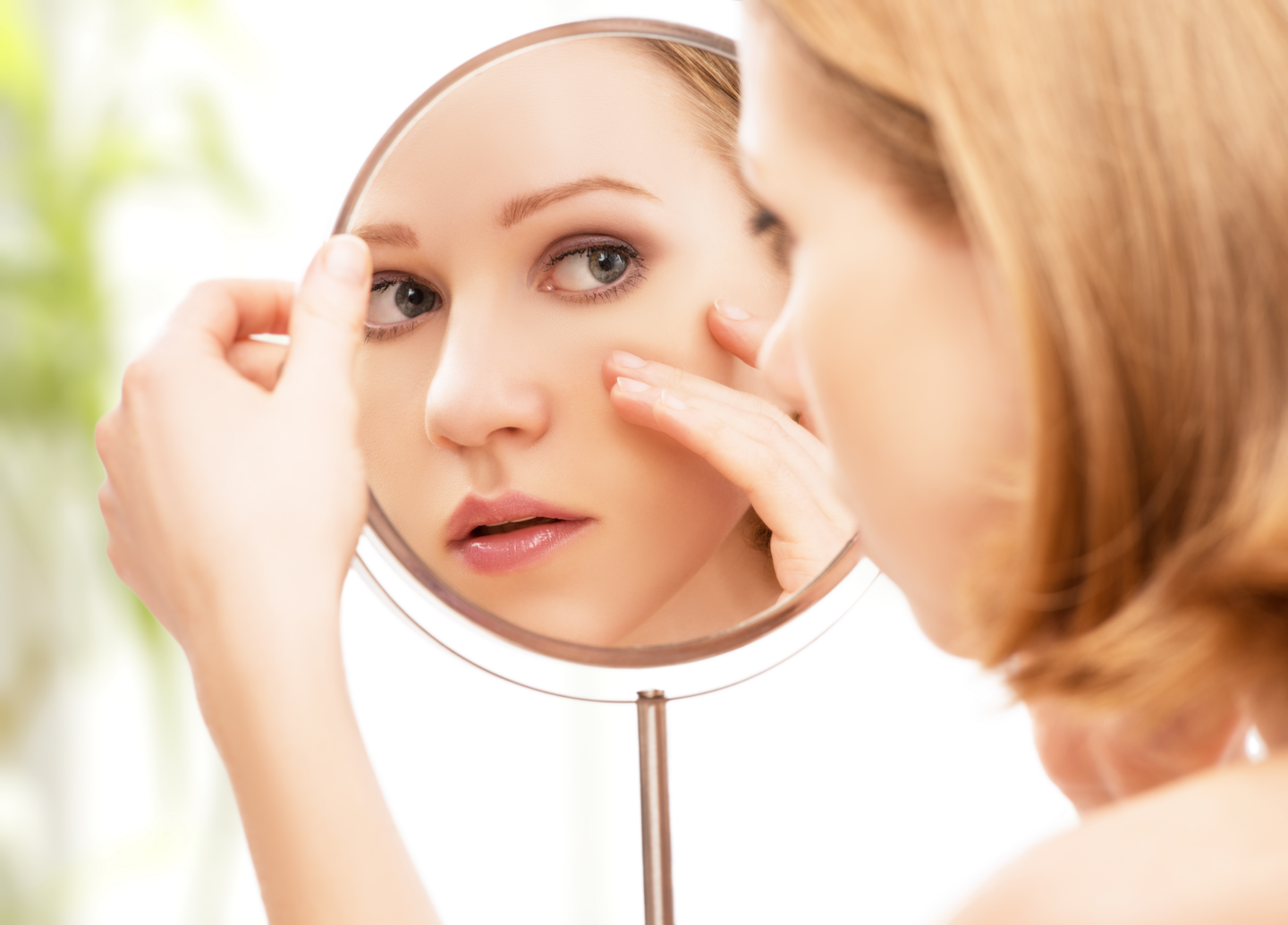
After getting permanent makeup on your brows or lips, it’s essential to follow your specialist’s medical aftercare instructions. This is crucial not only for your safety but also to ensure you achieve the best possible results from the procedure. Proper care supports smooth healing, even pigment retention, and long-lasting effects.
Above all, avoid exposing the treated area to chemical substances, such as household cleaners or detergents, as they can cause irritation and disrupt healing.
For the first 7 days, do not apply any facial makeup to the area. For the following 7 days, avoid swimming pools and saunas, which may soften the scabs and increase the risk of infection or pigment loss.
It’s also important to stay out of the sun during the healing period. Once the skin has fully healed, always protect the treated area with a high SPF sunscreen designed for sensitive skin to preserve the color and prevent fading.
Right after the procedure, it’s best to avoid alcohol.
For lip permanent makeup, during the first few days, we recommend drinking through a straw and eating soft or finely cut foods to minimize friction and protect the healing area.
Following these guidelines will significantly improve pigment retention and speed up the skin’s recovery. You’ll also receive detailed aftercare instructions from your professional permanent makeup artist, tailored to your specific treatment.
How do you recognize a professional clinic or beauty salon? By the fact that your treatment is always preceded by a thorough consultation, where every important aspect is carefully discussed.
The linergist, or permanent makeup specialist, will carefully determine the shape, contour, and color of your makeup. Since the results will last for up to three years, it’s strongly recommended to first sketch a test version directly on the skin. This allows you to see the proposed design and decide if it truly matches your expectations.
Permanent makeup is very difficult to remove—it requires laser treatments or a special pigment remover. That’s why it’s so important to take your time, think it through, and make sure you’re fully confident in the final look before moving forward.
Permanent makeup is always done step by step, with great attention to detail. At any moment during the procedure, the client can check the progress and request adjustments to the shape or design.
The treatment itself usually takes around 90 to 120 minutes, depending on the area and complexity. This time does not include the consultation, which is a separate, essential part of the process. The consultation doesn’t have to take place on the same day—it can be scheduled earlier to give you time to consider your options and feel fully prepared.
The list of contraindications is long, but it should be taken seriously—after all, your appearance and safety are at stake.
The skin in the treatment area must be healthy, free of lesions, discoloration, or suspicious moles. Clients should not be taking antibiotics, steroids, blood thinners, retinoids, or vitamin A derivatives commonly used in treating severe acne.
Permanent eyebrow makeup is not recommended in the following cases:
Before scheduling your treatment, be honest about your health history and medications. It ensures your safety and helps your specialist decide whether the procedure is right for you—or if it should be postponed.
Permanent makeup is an incredibly convenient solution, saving you countless hours in front of the mirror. However, it’s important to remember that proper post-treatment skin care is essential for the best results.
As your skin begins to peel and flake, reach for deeply hydrating products. Use not only rich creams but also soothing gels, like aloe vera, which help soften the skin, deliver nourishing ingredients, and provide a cooling effect to ease discomfort.
You can also perform a very gentle massage to help your skin absorb the products more effectively—just be sure to stay gentle and avoid any pulling or pressure on the treated area. Taking care of your skin during this phase is key to achieving a smooth, even, and long-lasting result.


Read more