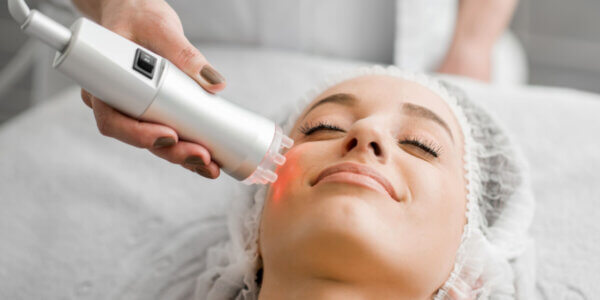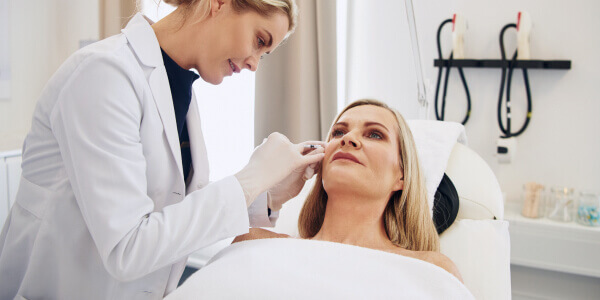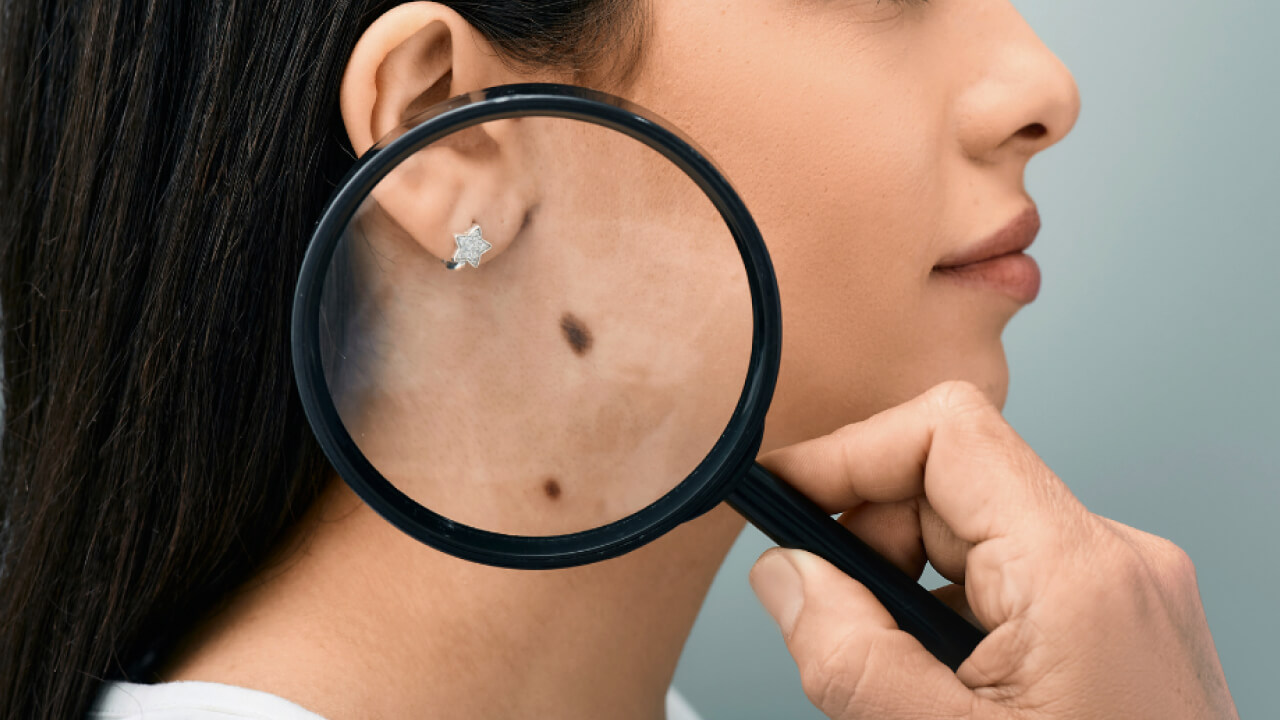
One of the most popular ingredients used in at-home care for superficial pigmentation is retinol, the pure form of vitamin A. However, before applying any active ingredients, it’s worth consulting a dermatologist who can assess the severity of the melasma and determine whether there are any contraindications to using specific products. A specialist can also evaluate whether at-home treatment is suitable in your case or if professional procedures would be a better option.
-
INVICTA Group Services
chevron_left Backclose
INVICTA Group Services
- INVICTA Group
- INVICTA Clinics
- Medical Laboratories
- Fertility Bank
-
Anti-Aging Clinic
- R&D Centre
- Nami