-
INVICTA Group Services
chevron_left Backclose
INVICTA Group Services
- INVICTA Group
- INVICTA Clinics
- Medical Laboratories
- Fertility Bank
-
Anti-Aging Clinic
- R&D Centre
- Nami
Update date: 18 June 2025
Publish date: 16 June 2025
Read in: 6 min
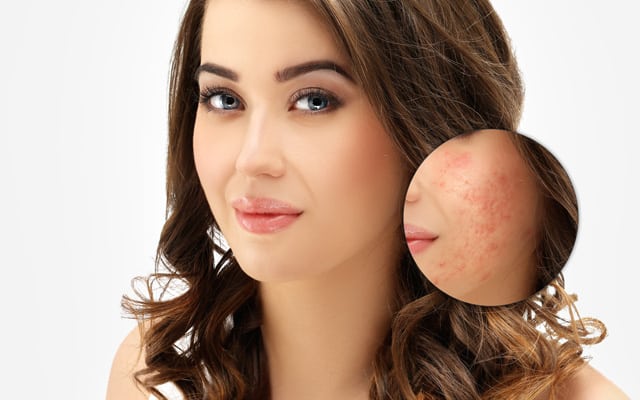
Acne vulgaris is the most commonly diagnosed inflammatory skin condition among patients aged 11 to 30, affecting approximately 80% of individuals in this age group.
Lesions typically appear on the face and torso, and due to their visible location and the chronic nature of the condition, acne often poses a significant psychological burden for many patients..
The primary lesion of acne is the microcomedone, which develops under the influence of several factors, such as linoleic acid deficiency, excess androgen production, and an accumulation of fatty acids on the skin.
So how does a comedone form?
In the early stage, excess keratinization within the hair follicle leads to a narrowing of the follicular opening (the sebaceous duct), which hinders the natural flow of sebum to the surface of the skin. As sebum accumulates and the opening remains blocked, it creates ideal conditions for bacterial colonization.
Certain microorganisms—such as anaerobic diphtheroids, aerobic cocci, and yeast-like fungi—break down sebum into free fatty acids. These byproducts are irritating, pro-inflammatory, and further stimulate follicular hyperkeratinization. As a result, inflammation develops inside the clogged follicle. If the follicle ruptures or is improperly manipulated in non-sterile conditions, it can lead to infection and the spread of inflammation to surrounding tissues.
There are several causes behind excessive sebum production, which plays a key role in the development of acne. The overactivity of the sebaceous hair follicle unit is primarily regulated by sex hormones, which influence the size of the sebaceous glands and the amount of oil (sebum) they produce.
During puberty, the body produces higher levels of sex hormones—mainly androgens and estrogens—which can disrupt the natural balance and trigger overproduction of sebum. In addition to endogenous hormones, hormone-like lipids and dietary androgens found in certain foods may also contribute to acne flare-ups. Other contributing factors include environmental conditions such as climate and pollution, as well as high-glycemic foods, insulin-stimulating products (especially dairy), and smoking.
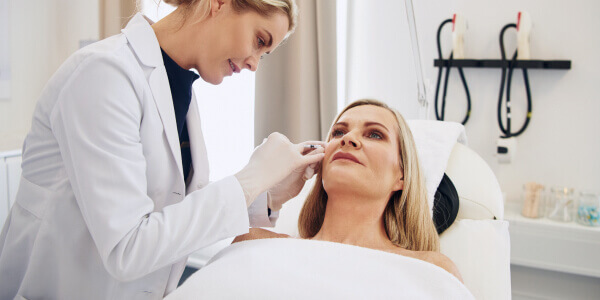
Acne is a medical condition, so the first step should always be a consultation with a dermatologist, who will recommend the appropriate course of treatment. Acne can be treated topically (externally), systemically (internally), or with a combination of both approaches.
Topical treatment typically involves anti-seborrheic, comedolytic, anti-inflammatory, and antibacterial agents. Common ingredients include salicylic acid, retinoids, azelaic acid, and topical antibiotics such as erythromycin or tetracycline.
Systemic therapy may involve the use of hormonal medications, oral retinoids, antibiotics, or corticosteroids, depending on the severity and type of acne.
For women, acne treatment often requires both dermatological and gynecological consultation, especially when hormonal imbalance is suspected.
Additionally, vitamin supplementation can support the main treatment plan. In cases of seborrheic (oily) skin conditions, vitamins such as B3 (PP), A, B2, B1, B6, and C are commonly recommended as part of the overall therapeutic approach.
Acne—especially on the face—is not only a medical issue, but also an aesthetic concern.
For young people entering adolescence, it can be an embarrassing problem that negatively affects their self-esteem and social interactions.
But does the problem disappear once the acne clears up?
Unfortunately, chronic acne often leaves behind scars and discoloration that can continue to affect a young person’s appearance and confidence.
The good news is that these marks don’t have to be a lifelong reminder of teenage struggles.
Aesthetic medicine offers an excellent solution: CO2 fractional laser treatments, which have proven to be highly effective in improving the appearance of post-acne scars and pigmentation.
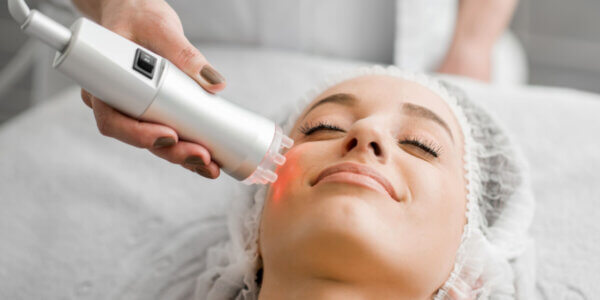
The fractional CO₂ laser is widely used in aesthetic medicine to reduce various types of scars, including acne scars. The goal of the treatment is to stimulate and regenerate the skin and connective tissue. This is achieved by gently heating the skin and creating controlled micro-injuries, which trigger the body’s natural healing response. As the skin repairs itself, new collagen and elastin fibers are produced, leading to a firmer, smoother, and more rejuvenated appearance.
At INVICTA Anti-Aging Clinic, we use a medical-grade fractional laser—specifically an ablative CO₂ laser, which is significantly more powerful than standard fractional lasers.
Our technology not only stimulates deep skin renewal but also intensively exfoliates the skin during the ablation process, enhancing both regeneration and rejuvenation. As a result, fewer sessions are typically needed compared to non-ablative laser treatments to achieve noticeable results.
Why is it worth consulting a medical specialist?
Because 21st-century aesthetic medicine offers a wide range of effective solutions to dermatological and cosmetic concerns. In many cases, the imperfections that affect our self-esteem can be significantly improved—or even completely corrected—with the right treatment plan.
Remember, there’s nothing to be ashamed of. Let us help you feel confident in your skin again.

Read more