-
INVICTA Group Services
chevron_left Backclose
INVICTA Group Services
- INVICTA Group
- INVICTA Clinics
- Medical Laboratories
- Fertility Bank
-
Anti-Aging Clinic
- R&D Centre
- Nami
Publish date: 26 May 2025
Read in: 13 min
Injecting fibrin, either intradermally or subcutaneously, delivers excellent results in treating various aesthetic concerns such as wrinkles and deep facial folds. The fibrin is derived from the patient’s own blood, processed through centrifugation prior to the procedure. Fibrin also proves effective in addressing tissue loss, scars, and even male-pattern hair loss.
Table of Contents
The high effectiveness of fibrin used in advanced aesthetic treatments lies in the combination of two types of this protein, each obtained during separate stages of plasma centrifugation from the patient’s own blood. The first is structural fibrin (S-PRF), also known as scaffold fibrin, which provides a stable framework for cellular activity. The second is injectable platelet-rich fibrin (I-PRF), a cellular form that is rich in growth factors and platelets. This unique combination activates previously dormant stem cells, triggering multi-directional differentiation and leading to intensive cellular and tissue regeneration. As a result, fibrin supports deep, long-term rejuvenation in a natural and biocompatible way—without the use of synthetic substances.
Aesthetic treatments using fibrin offer a natural and remarkably effective therapy, delivering spectacular results by combining concentrated growth factors and stem cells to stimulate deep tissue regeneration. During the procedure, structural fibrin (S-PRF) can be used to create a three-dimensional “scaffold” within the skin. This provides support and helps maintain skin firmness. Alternatively, cellular platelet-rich fibrin (I-PRF) may be applied to stimulate cell division, promoting the formation of new, healthy skin tissue. The choice between structural and cellular fibrin—or a combination of both—depends entirely on the individual needs of the patient’s skin and the results they hope to achieve. A proper consultation and evaluation by a qualified aesthetic specialist ensures that the most effective approach is selected.
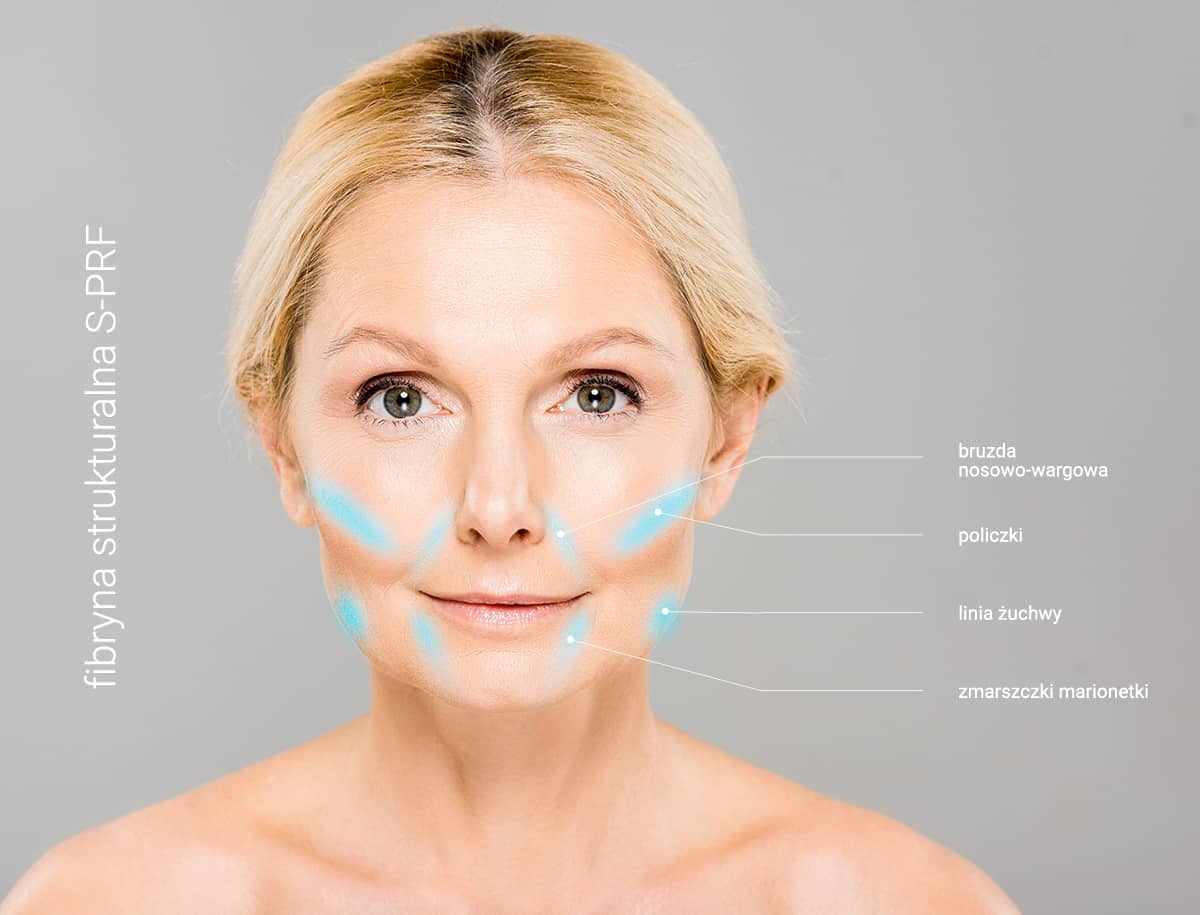
The first step in a treatment involving structural fibrin (S-PRF) is the collection of whole blood from the patient, which is then centrifuged to isolate the fibrin. Fibrin plays a key role in blood clotting, during which it forms a fibrous mesh known as fibrin strands. This process naturally triggers the activation of growth factors, CD34+ cells, leukocytes, cytokines, and even mesenchymal stem cells—which up until that point have remained dormant. Structural fibrin acts as a biological carrier, delivering and supporting these powerful cellular components, essentially functioning as a natural tissue graft. Once injected, structural fibrin forms a scaffold within the skin, creating space and structure for new tissue formation. It supports cellular regeneration, encouraging the skin to restore its function and structure from within. During the procedure, the fibrin—derived from the patient’s centrifuged blood—is carefully injected into specific areas of the face. Structural fibrin is most often applied in regions where volume loss and deep lines are common, such as: The nasolabial folds, the jawline, areas where marionette lines begin to form, the zygomatic-temporal arch (cheekbone and temple area). Thanks to its natural origin and regenerative properties, S-PRF offers a powerful, biocompatible approach to skin rejuvenation and structural support—without the use of synthetic fillers.
Structural Fibrin (S-PRF) – Areas of Application
Cellular platelet-rich fibrin (I-PRF) is essentially a concentrate of stem cells, growth factors, and leukocytes—all of which play a key role in stimulating the skin’s natural regenerative processes.
The intradermal application of I-PRF and its growth factors is performed using either deep mesotherapy or a subdermal “nappage” technique. Once injected, the fibrin gradually coagulates into a gel, acting as a natural, autologous filler that adds volume and structure to targeted areas of the skin. The activated growth factors and mesenchymal stem cells within the fibrin trigger tissue regeneration. One of the greatest advantages of this treatment is its slow and sustained stimulation of cell division, which supports long-term skin repair in a subtle and natural way. I-PRF is most often used on the forehead, eyelids, and under-eye area, as well as the tear troughs, cheeks, perioral region (especially for smoker’s lines), and the corners of the mouth. Because it is derived from the patient’s own blood and contains no synthetic ingredients, it is well-tolerated, safe, and ideal for those seeking a natural approach to skin rejuvenation.
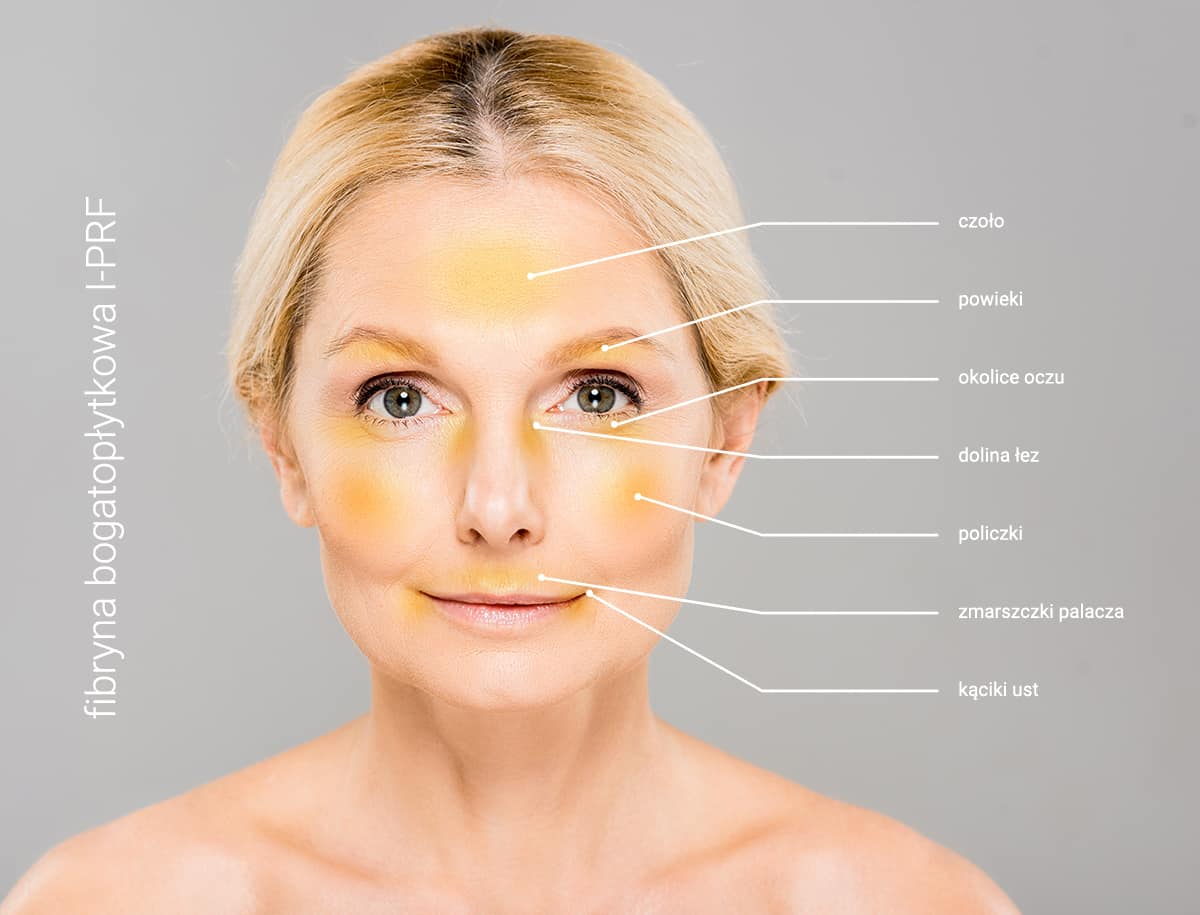
I-PRF (Injectable Platelet-Rich Fibrin) – Areas of Application
Stem cells are one of the key reasons fibrin-based treatments are so effective. These cells have the remarkable ability to divide an unlimited number of times, which makes them ideal for supporting long-term tissue regeneration. A particularly fascinating feature of stem cells is their plasticity—the ability to adapt and take on the specific functions of cells in various tissues throughout the body. This means they can contribute to the repair and rebuilding of different types of tissue, including skin, muscles, and hair follicles.
In treatments using fibrin, two main types of stem cells are utilized for their regenerative potential:
Thanks to the presence and activation of these stem cells, fibrin treatments offer deep, natural, and lasting results, without the need for synthetic substances or invasive procedures.
Although treatments involving fibrin are entirely natural, biocompatible, and free from the risk of allergic reactions or serious side effects, proper preparation is essential to maximize effectiveness. The key to a successful procedure lies in ensuring optimal blood circulation and enhancing the concentration of fibrin in the blood sample collected during centrifugation. To achieve this, patients are advised to follow a few important guidelines several days prior to the treatment:
Stay well-hydrated by drinking at least 2 liters of water daily in the days leading up to the procedure, and no less than 1.5 liters on the day of the treatment.
Avoid dehydrating substances, such as coffee and alcohol, which can lower blood volume and affect plasma quality.
Refrain from intense physical activity on the day of the procedure and the day before, as excessive exercise can lead to temporary dehydration.
Discuss any regular medications with your doctor, especially those that affect blood clotting, to determine whether adjustments are necessary before the procedure.
Increase your intake of vitamin C, both through diet and supplementation, to support the body’s natural regeneration and immune function.
By following these simple but important steps, patients can help ensure the best possible outcome from their fibrin-based skin rejuvenation treatment.
After a consultation with an aesthetic medicine specialist and medical qualification for the procedure, a small amount of blood is drawn from the patient’s inner elbow (antecubital vein). The blood is then centrifuged to isolate the fibrin component required for the treatment. Depending on whether structural fibrin (S-PRF) or cellular fibrin (I-PRF) will be used, the physician or aesthetic practitioner determines the appropriate injection sites and the application technique.
Most often, one of two methods is used:
Point-by-point intradermal injections, where the fibrin is injected at a depth of 0.5 mm to 2.5 mm, usually in a linear series (e.g., along a wrinkle or fold), spaced 5 to 10 mm apart. This technique typically creates small, visible blebs at the injection sites.
The nappage technique, which involves very shallow, rapid injections just under the surface of the skin. This method does not produce visible blebs and is often used for more delicate or superficial areas.
The choice of technique and injection depth is based on the patient’s individual skin condition and treatment goals, and is determined by the medical provider to ensure the best regenerative outcome.
Following a fibrin-based treatment, it is recommended to avoid using any irritating skincare products on the treated areas. Patients should also refrain from swimming pools and saunas for at least one week, as exposure to moisture, heat, or bacteria can interfere with the healing process. It is important to maintain proper hygiene, especially in the injection areas, to minimize the risk of irritation or infection. Additionally, attending your follow-up appointments as scheduled is crucial—only a complete series of fibrin treatments can deliver the desired, long-lasting results. The injections initiate a slow but highly effective regenerative process, stimulating skin cells to produce more collagen and structural proteins. Over time, this leads to noticeable improvements in skin elasticity, firmness, and hydration, helping restore a youthful and healthy complexion.
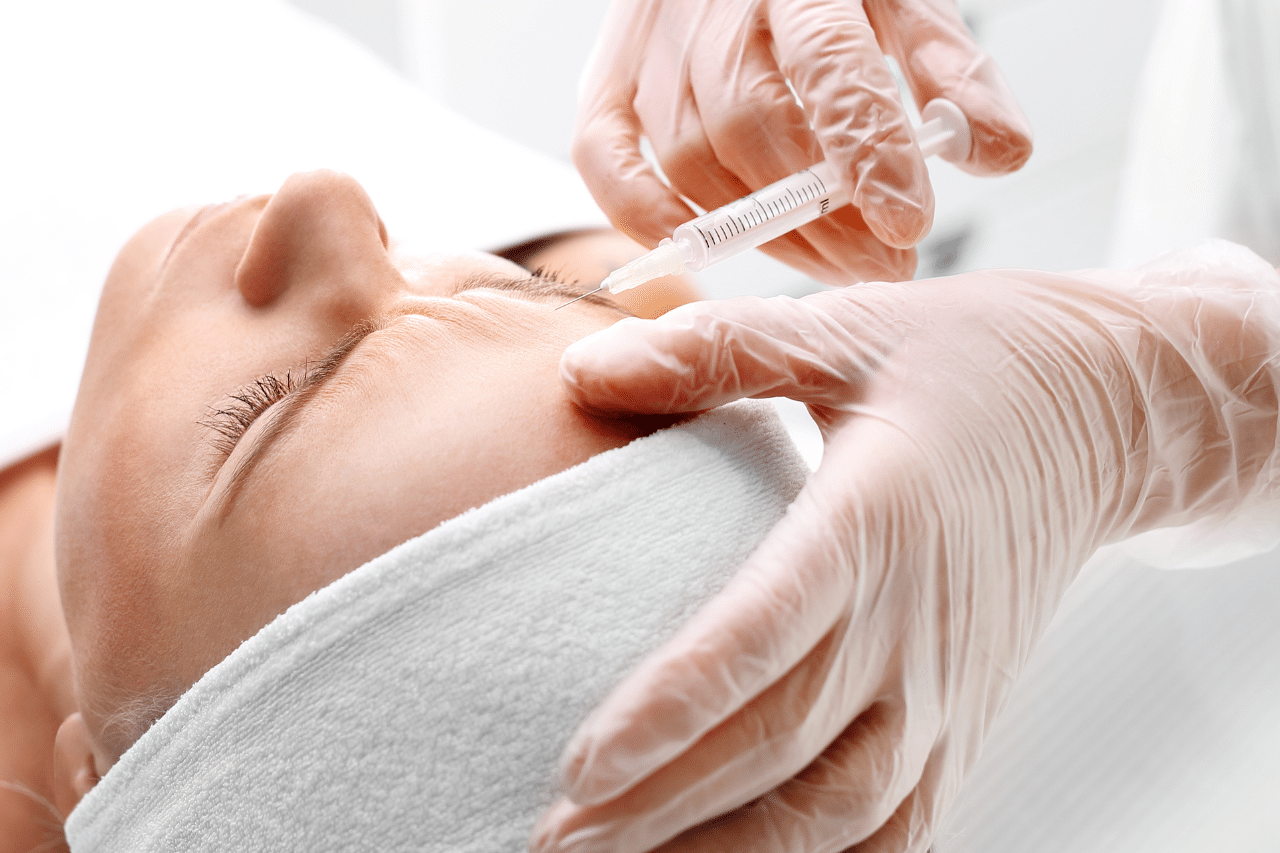
Every aesthetic procedure comes with a set of indications and contraindications, which are carefully reviewed and discussed with the patient during the initial consultation. In the case of treatments using platelet-rich fibrin (PRF), the following conditions are commonly considered suitable indications:
Reduction and softening of wrinkles on the face, neck, and décolletage
Improving the density and elasticity of sagging skin
Rejuvenation of the skin on the hands
Reduction of stretch marks on various parts of the body
Minimizing the appearance of scars, including those caused by burns, acne, surgical procedures, or injuries
Fibrin-based therapies are particularly effective for patients seeking natural, regenerative solutions with long-lasting and subtle results, and are well-suited to those who may not tolerate synthetic fillers or more invasive procedures.
Although the results of fibrin-based therapies can be highly promising, only individuals without medical contraindications are eligible for the procedure. These treatments are not recommended for people with certain health conditions, such as cancer, blood disorders (especially those affecting clotting), or those who are pregnant, in the postpartum period, or currently breastfeeding. Other situations that may prevent the procedure include ongoing anticoagulant therapy, recent or current antibiotic use, or a serious infection, either active or recently treated.
It is extremely important to be completely transparent during the initial consultation. Any past or current health conditions—even those that may seem unrelated—could play a critical role in determining whether fibrin therapy is safe and suitable for you.
Fibrin can deliver impressive improvements in skin firmness, elasticity, and visible rejuvenation, but these results can only be achieved when the treatment is administered under the right conditions, with no significant contraindications present.


Poczytaj więcej