-
INVICTA Group Services
chevron_left Backclose
INVICTA Group Services
- INVICTA Group
- INVICTA Clinics
- Medical Laboratories
- Fertility Bank
-
Anti-Aging Clinic
- R&D Centre
- Nami
Publish date: 27 June 2025
Read in: 9 min
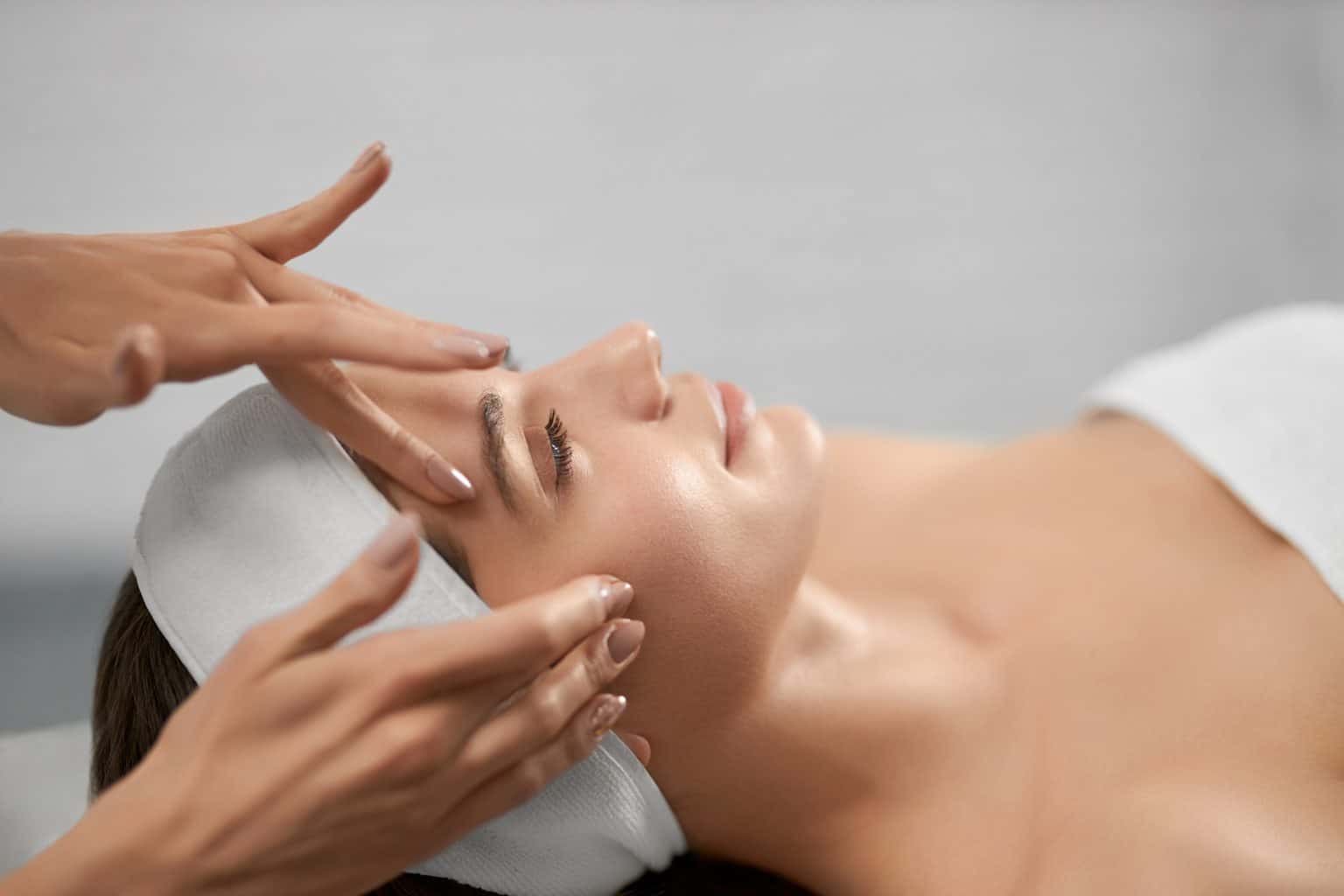
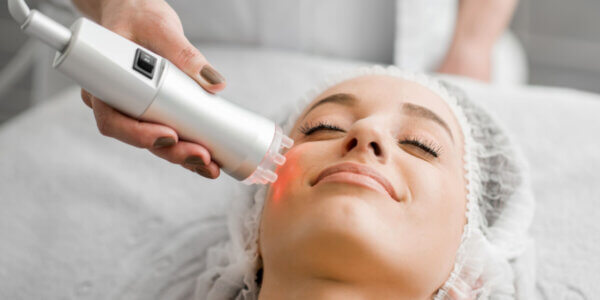
Facial massage is not just a treatment that allows us to relax. When performed regularly, it also improves skin firmness and tone, reduces wrinkles, and helps prevent new ones from forming. It can be done by a specialist or performed at home. Facial massage is a great complement to your daily skincare routine, helping you maintain a youthful and healthy appearance for many years.
As time passes, it inevitably takes a toll on the skin. With age, the skin gradually loses its ability to regenerate, and the rate of cellular metabolism slows down (cells become less nourished). Moreover, the “structure” that supports the skin and vascular connections weakens. As a result, the skin loses its proper tension, becoming thinner, drier, and dull. Additionally, more wrinkles begin to appear. Unfortunately, skin aging is an inevitable process and cannot be completely halted.
However, this doesn’t mean that there aren’t effective methods to delay it and make its signs less visible. To maintain youthful skin for as long as possible, we should not only focus on proper skincare tailored to our skin’s needs but also ensure that we provide it with the right supplementation and vitamins. Furthermore, to protect our skin from the harmful effects of UV rays, we must use UVA and UVB protective filters. We can also rejuvenate the skin by incorporating various facial massage techniques into our routine.
Initially, facial massage was considered solely a therapeutic treatment (it is highly effective in treating conditions like facial nerve paralysis and scar reduction). Over time, however, it became a popular treatment offered in many beauty salons and spas. Why? Because it has an excellent impact on both the skin and the facial muscles, and when done correctly and consistently, it brings numerous benefits. Once we commit to regular facial massage, the effects will not only be visible but also long-lasting. What does this treatment do?
With a facial massage, the effects include improving skin elasticity and strengthening the skin. After just a few weeks, the condition of the skin is noticeably improved. The skin becomes smooth and radiant, while wrinkles appear less visible. Regular facial massage is an excellent investment for the future, as it allows us to enjoy healthy, glowing skin for longer. It is also a perfect complement to professional cosmetic treatments and aesthetic medicine procedures, which not only delay aging and correct imperfections but also help reveal the beauty within us all.
Facial massage has many benefits, so it’s worth including it in your daily skincare routine. It won’t require special preparation or any financial investment. You can do it at any time of the day and in any place, it’s really simple! So, where to begin? Before starting the facial massage, you should properly prepare your skin by removing makeup (it’s also a good idea to exfoliate your face) and thoroughly washing your hands to avoid transferring bacteria.
What products to use for this? Facial massage can be performed using your favorite light cream or serum enriched with anti-wrinkle and firming ingredients. However, for better “slip,” it’s recommended to use facial oil. The natural, unrefined argan oil is especially known for its anti-aging properties. If you have oily skin or are prone to imperfections, jojoba oil would be a better choice.
There Are Many Techniques for Facial Massage. To Achieve the Best Results, the Facial Massage Should Last 5-10 Minutes and Be Done Twice a Day, in the Morning and Evening. However, with the fast pace of life today, it’s not always possible. It’s best to adjust the time of day to your individual needs. It’s also important to remember that facial massage should be done from the bottom to the top (start with gentle movements, and later, they can become more decisive). How to perform a facial massage for wrinkles at home? Here’s a simple exercise:
We begin the facial massage by massaging the neck with both hands from bottom to top, and after a few repetitions, place the thumbs under the chin and move them under the jawline towards the ears.
With your fingers together and applying firm pressure, massage the cheeks by lifting them upward (from the jawline towards the temples). This technique helps prevent the formation of “jowls” (sagging cheeks that become more prominent with age).
On the chin, below the lower lip, move the tips of your fingers outward and upward (never pull the corners of the mouth down!). For the areas around the mouth (above the upper lip and below the lower lip), massage in circular motions upwards. This exercise is an excellent way to reduce the risk of forming “marionette lines,” which are grooves running from the corners of the mouth, or even from the nose to the chin (these lines can make the face appear sad or even unfriendly and menacing).
From the corners of the mouth to the nostrils, perform a vertical massage using your index fingers. Then, using one finger, massage the points at the corners of the mouth to lift them (this is an excellent exercise to smooth out nasolabial folds).
Place your index finger along the eyebrow line, and the middle finger under the eye, gently pressing from the inner to the outer corner of the eye.
Place your index fingers on the inner side of the eyebrows (on both sides of the upper nose), then gently but firmly move your fingers along the eyebrows (left finger to the left, right finger to the right). This effective massage, which helps prevent or reduce the “frown line,” should be repeated 5-10 times.
To perform the correct forehead massage, move the tips of your fingers energetically across the forehead, starting from the center and moving outward. After this exercise, it’s also good to press along the hairline with your fingers and make a few circular motions.
Commonly referred to as the “raindrop” technique, it involves gently tapping the entire face with the pads of all fingers.
Facial massage is not only a great form of relaxation, but when combined with proper skincare and aesthetic treatments, it helps prevent and reduce wrinkles.

Read more