-
INVICTA Group Services
chevron_left Backclose
INVICTA Group Services
- INVICTA Group
- INVICTA Clinics
- Medical Laboratories
- Fertility Bank
-
Anti-Aging Clinic
- R&D Centre
- Nami
Publish date: 24 June 2025
Read in: 9 min
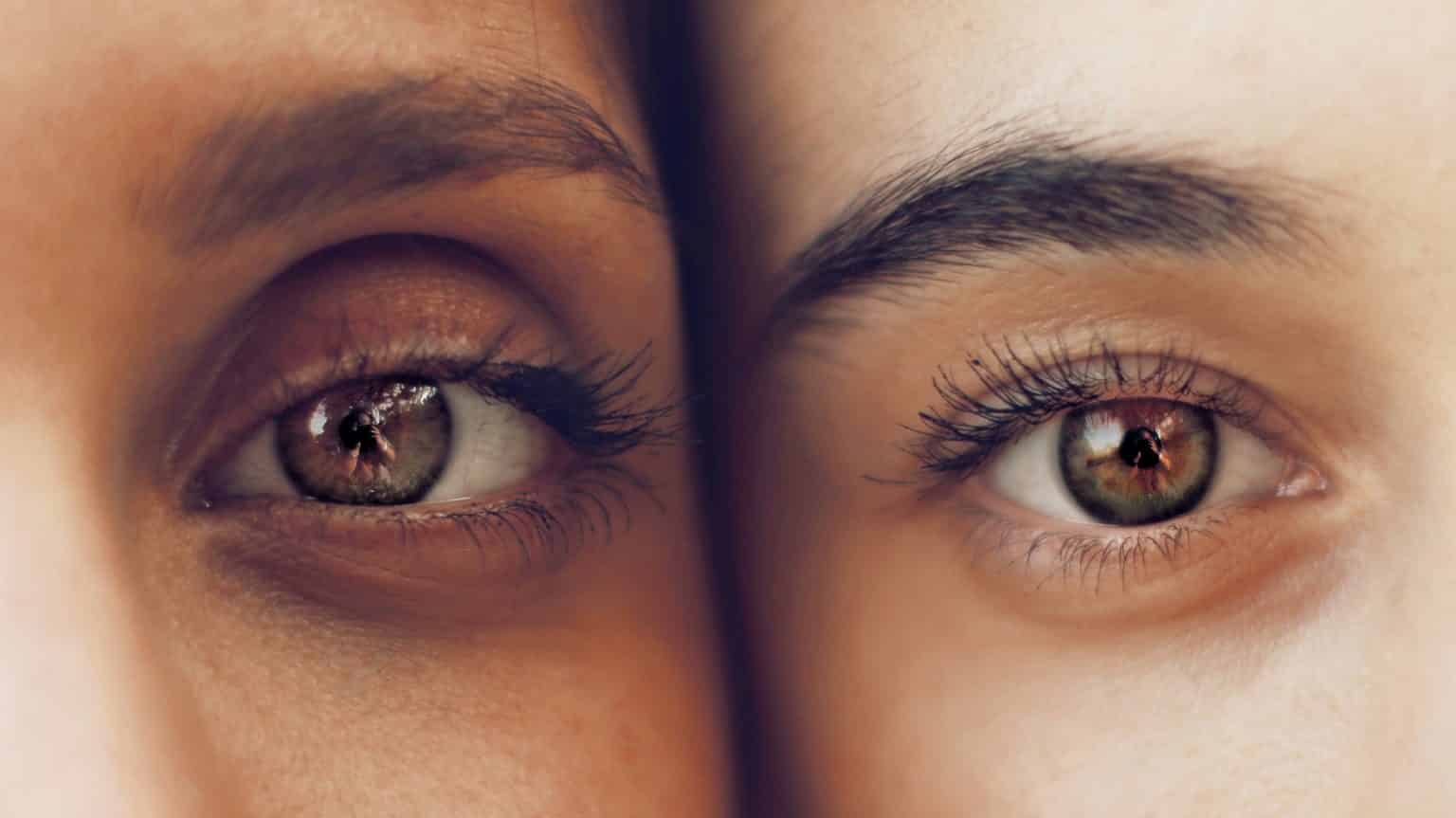
A radiant, well-rested face without signs of fatigue is the aesthetic ideal many people strive for today.
Unfortunately, a fast-paced lifestyle, chronic fatigue, stress, and poor diet – all hallmarks of modern living – make this goal difficult to achieve. In addition to dull, often dehydrated skin, one of the most common concerns affecting both women and men is the appearance of dark circles under the eyes, often referred to as “bruising” due to their bluish or purplish tone.
Why do they actually appear? how can dark circles be reduced? and which aesthetic medicine treatments can help?
Dark circles under the eyes are a common concern for many people. interestingly, their appearance isn’t always related to age or health conditions. Discoloration in the under-eye area can often be seen in children and in young, completely healthy individuals. the color of these shadows may vary – from gray to purple, or even yellowish-blue tones.
How does this kind of pigmentation become visible beneath the lower eyelid? In most cases, it’s due to lymphatic stagnation, which can occur as a result of fatigue, lack of sleep, or dehydration. In addition, dark circles can be genetically determined, since the thickness of the skin in this area, as well as the distribution of fat tissue and blood vessels, is inherited. This means that if a parent has thin skin under the eyes and superficial blood vessels, their child is likely to have the same feature.
In many cases, dark circles are simply a natural individual trait and don’t indicate any underlying health issue. Whether or not to reduce or cover them – for example, with makeup – is entirely a personal choice. However, if the presence of under-eye discoloration is accompanied by other symptoms that may suggest something more serious is going on in the body, it’s important to have your health checked. Many medical conditions, both minor and serious, can manifest through changes in the skin – and in such cases, dark circles are more than just a cosmetic concern.
Before looking for the best way to reduce or conceal dark circles, it’s important to understand their cause. In many cases, if the underlying reason isn’t genetic, these shadows may signal minor or more serious health conditions affecting the body. Dark circles or discoloration under the eyes can be a symptom of several issues, including:
Many of these conditions may cause venous blood stagnation, swelling, collagen loss in the skin, enlargement of fat cells, or thinning of the under-eye skin. That’s why it’s important not to ignore sudden under-eye discoloration, especially if it hasn’t been present since early life and doesn’t appear to be hereditary.
Very often, after a full health check-up, it turns out that dark circles under the eyes aren’t related to any medical condition and are simply a natural part of one’s appearance. However, because these shadows can make the face look tired or even unwell, many people with this aesthetic concern try to reduce or conceal them.
It’s no surprise that under-eye concealers are among the best-selling beauty products in recent years. cosmetic brands continue to compete in developing new formulas that not only cover dark circles effectively but also care for the delicate skin around the eyes. Still, some people prefer to minimize discoloration to the point where makeup becomes unnecessary. In such cases, a few home remedies may help reduce the appearance of under-eye shadows. these include:
brightening eye creams – these products usually have a rich, nourishing texture designed to hydrate, oxygenate, and illuminate the thin skin under the eyes while improving microcirculation. They often contain ingredients like vitamin c, collagen, antioxidants, fruit and herbal extracts, and minerals.
cold compresses – to reduce puffiness and improve lymphatic flow, you can apply cold compresses using ice cubes, fresh cucumber slices, or black tea bags. While the effect is temporary, it can help refresh the under-eye area quickly.
under-eye massage – regular gentle massages using your fingertips or cold tools made of metal or stone can support skin regeneration, stimulate microcirculation, and promote lymphatic drainage, helping reduce dark circles over time.
Most home remedies for dark circles offer only temporary relief. while they may provide a quick improvement, they typically lack long-term effectiveness. In people who are naturally prone to under-eye discoloration, these shadows will likely keep returning unless supported by more advanced skincare solutions.
Aesthetic medicine has responded to this common concern by developing procedures that deliver more lasting and visible results. Based on an individual diagnosis and a consultation with an aesthetic medicine specialist, the appropriate treatment method is selected. professional treatments for dark circles include the following:
under-eye filler with hyaluronic acid – this treatment involves filling the natural hollow under the eyes, often referred to as the “tear trough,” using hyaluronic acid. it provides an instant improvement in discoloration, with results typically lasting 6 to 8 months. The procedure is performed using a fine cannula and local anesthesia, making it virtually painless. importantly, the effect is very natural and discreet, while also visibly rejuvenating the face and reducing signs of fatigue.
eyelid correction (non-surgical blepharoplasty) – procedures such as lower eyelid lifting with plasma devices (e.g., plasma iq) can help improve the appearance of dark circles. This highly precise treatment targets small areas by creating hundreds of microscopic thermal injuries, stimulating collagen and elastin production. first results are usually visible within 14 days, and the skin under the eyes becomes thicker, firmer, and more elastic.
laser rejuvenation around the eyes – although laser treatments in the eye area are often aimed at reducing wrinkles, they also improve the overall quality of the skin. The mechanism is similar to plasma therapy: the laser creates micro-injuries on the skin’s surface, which stimulate natural collagen and elastin production, resulting in firmer, denser under-eye skin.
Many aspects of daily life can affect the condition of your skin – including the delicate area under the eyes. If you are naturally prone to dark circles or under-eye discoloration, it’s especially important to take preventive steps consistently.
How can you prevent dark circles? First and foremost, by maintaining a healthy lifestyle. That means following a well-balanced diet rich in vitamins, minerals, and nutrients, staying hydrated, and getting enough quality sleep.
It’s also helpful to avoid substances that negatively impact your skin, such as alcohol or nicotine. Combining prevention with the right skincare routine and, when needed, professional aesthetic treatments can significantly reduce the appearance of dark circles and help you enjoy radiant, refreshed skin without signs of fatigue.

Read more