-
INVICTA Group Services
chevron_left Backclose
INVICTA Group Services
- INVICTA Group
- INVICTA Clinics
- Medical Laboratories
- Fertility Bank
-
Anti-Aging Clinic
- R&D Centre
- NAMI
Fact checked by: Physiotherapist Piotr Kamiński
Update date: 13 August 2026
Publish date: 21 July 2026
Read in: 14 min
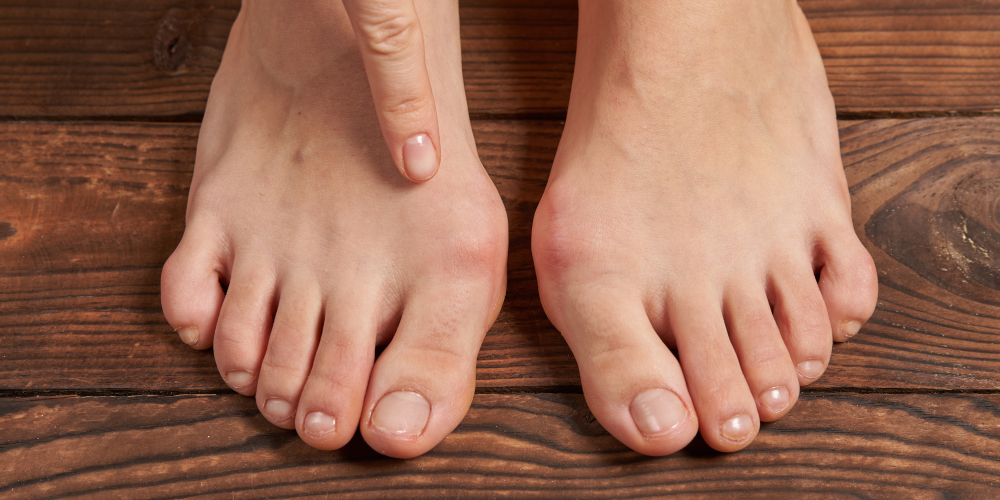
Bunions are one of the most common foot deformities, affecting primarily the big toe and the first metatarsal bone. They can occur in both women and men, and their development is not associated solely with age – genetic predisposition, foot structure and everyday habits also play an important role. Read the article to learn what causes bunions, what treatment methods are available, and what you can do to reduce the risk of developing them and limit the severity of symptoms.
Tabel of contents
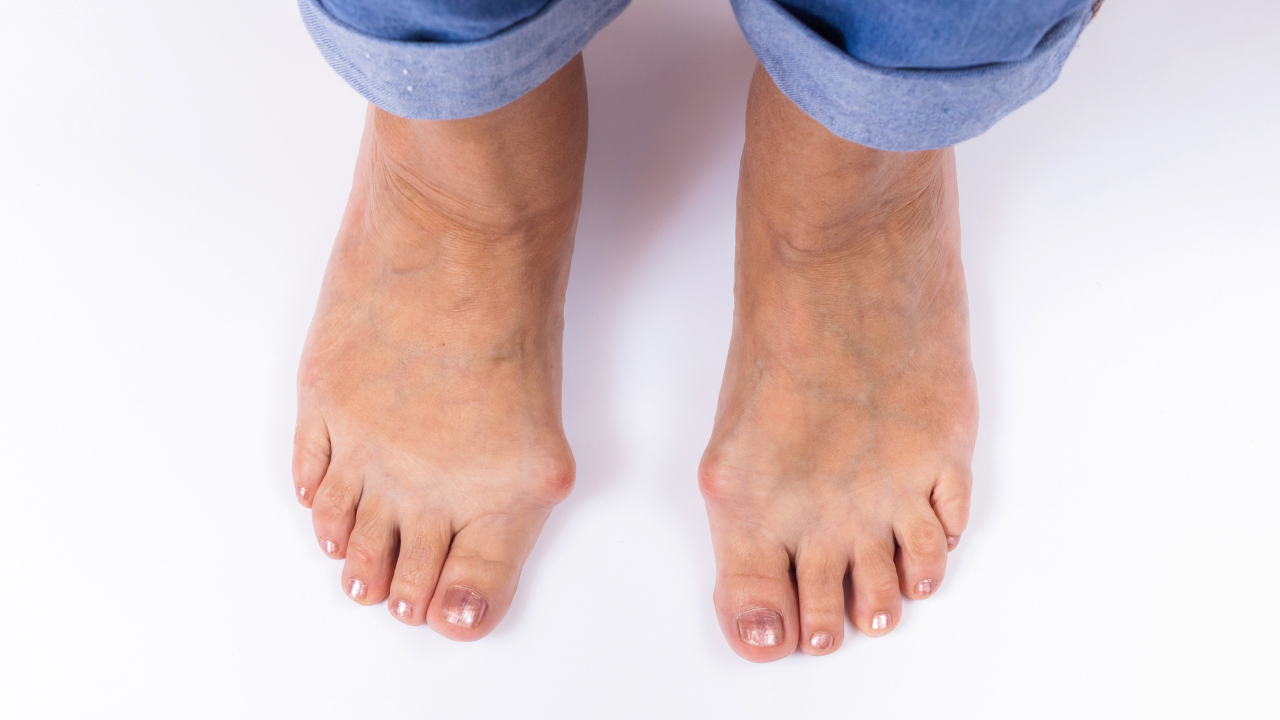
A bunion, or hallux valgus, is a foot deformity involving abnormal positioning of the big toe in relation to the other toes. A characteristic symptom is the deviation of the big toe towards the other toes, accompanied by a prominent bump at the base of the big toe on the inner side of the foot.
In the case of bunions, the alignment of the first metatarsophalangeal joint becomes disrupted. The first metatarsal bone may deviate towards the medial side of the foot, while the big toe becomes misaligned and turns towards the other toes. These changes may be accompanied by altered positioning of the head of the first metatarsal bone, overloading of the forefoot and changes in gait biomechanics. In some cases, the deformity may also lead to restricted joint mobility and pain.
The development of bunions is usually associated with several factors acting simultaneously. Anatomical predisposition, meaning the individual structure of the foot, and genetic factors may play an important role. If bunions have occurred in close family members, the risk of developing this deformity may be higher.
The deformity rarely develops suddenly – it most often progresses gradually over many months or years. Repeated pressure on the forefoot and wearing inappropriate footwear can gradually stretch the ligaments that stabilise the metatarsophalangeal joint. As a result, the big toe increasingly deviates towards the other toes, while the head of the first metatarsal bone moves in the opposite direction, making the visible prominence more pronounced. This mechanism is progressive – without intervention, the angle of deviation of the big toe usually increases over time, along with the load placed on the adjacent toes and forefoot. Therefore, early action when the first changes appear is important – it will not completely stop the process, but it may slow its progression.
In addition to anatomical and genetic predisposition, the factors that most commonly contribute to the development of bunions include:
However, wearing high heels or a particular type of footwear does not mean that everyone will develop bunions. The development of this deformity is influenced by many individual factors, and the elements listed above usually aggravate existing predispositions rather than cause the condition on their own.
Preventing bunions is particularly important for people with a genetic predisposition or those who notice early changes in the alignment of the big toe. Proper foot care and maintaining healthy daily habits can help reduce excessive strain and support proper foot function.
One of the key elements of prevention is wearing well-fitted footwear. Shoes should provide sufficient space for the toes, avoid putting pressure on the forefoot, and allow for a natural walking pattern. It is worth limiting frequent use of high-heeled footwear, as it changes the distribution of weight and increases pressure on the metatarsal area.
The selection of appropriate exercises should be discussed with an orthopaedic physiotherapist. In cases of abnormal foot structure, a specialist may recommend orthotic insoles or insoles tailored to the patient’s individual needs during the consultation.
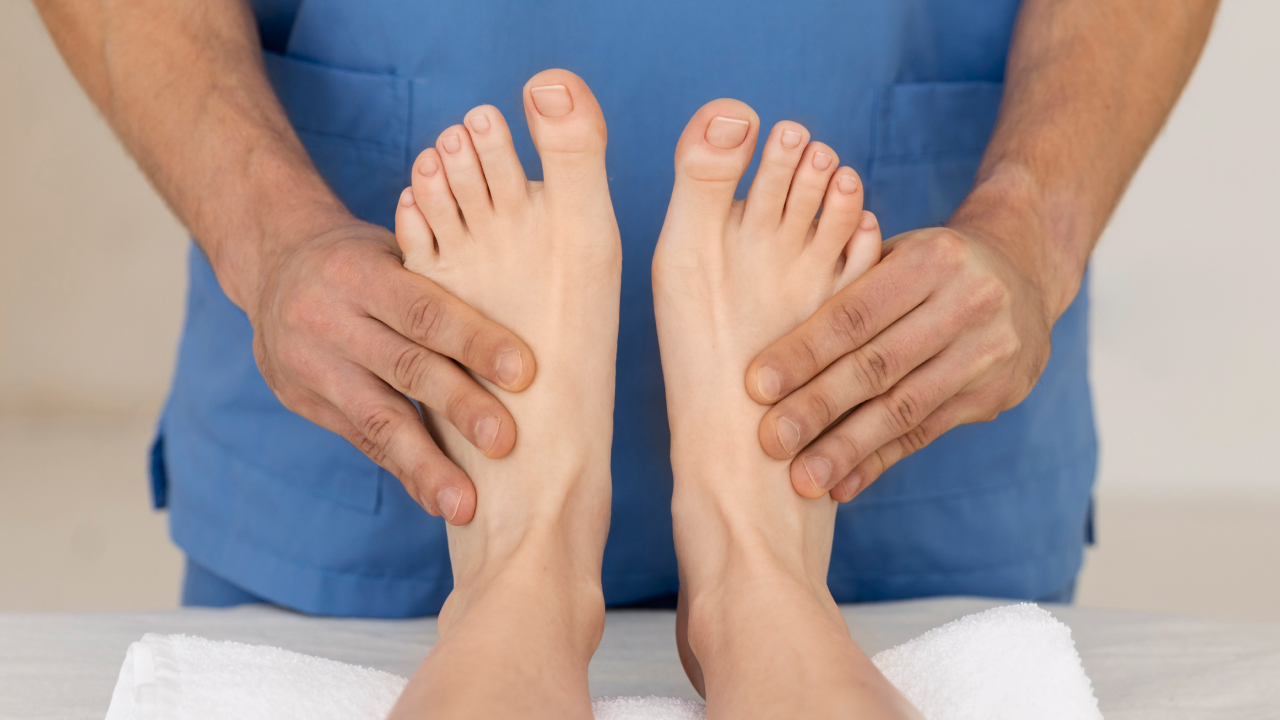
The first symptoms of bunions can be subtle and easy to overlook. Initially, the patient may notice only a change in the appearance of the foot or slight discomfort when walking. Over time, however, the deformity may become more pronounced
Advanced bunions can cause overloading of the other toes, changes in the way you walk and restricted big toe mobility. This affects not only walking comfort but also the functioning of the entire musculoskeletal system. As the big toe loses its proper function of providing push-off during walking, the body begins to compensate by placing greater loads on other structures – the metatarsals, knees, and sometimes also the hip joints or lumbar spine. Corns and calluses developing in new areas of the foot can be a sign of such compensation. For this reason, bunions should not be treated solely as a cosmetic concern – over time, they can significantly alter the way you move.
Find out how to restore walking comfort.
This is one of the most common questions asked by people who have noticed the first changes in the alignment of the big toe. The answer depends on the severity of the deformity. In the early stages, when the bony changes have not yet become permanent, appropriately selected footwear, orthotic insoles and exercises can reduce symptoms and significantly slow the progression of the deformity. However, these methods should not be expected to “reverse” established changes in bone alignment – in practice, the only way to permanently restore proper big toe alignment in more advanced cases is surgical treatment.
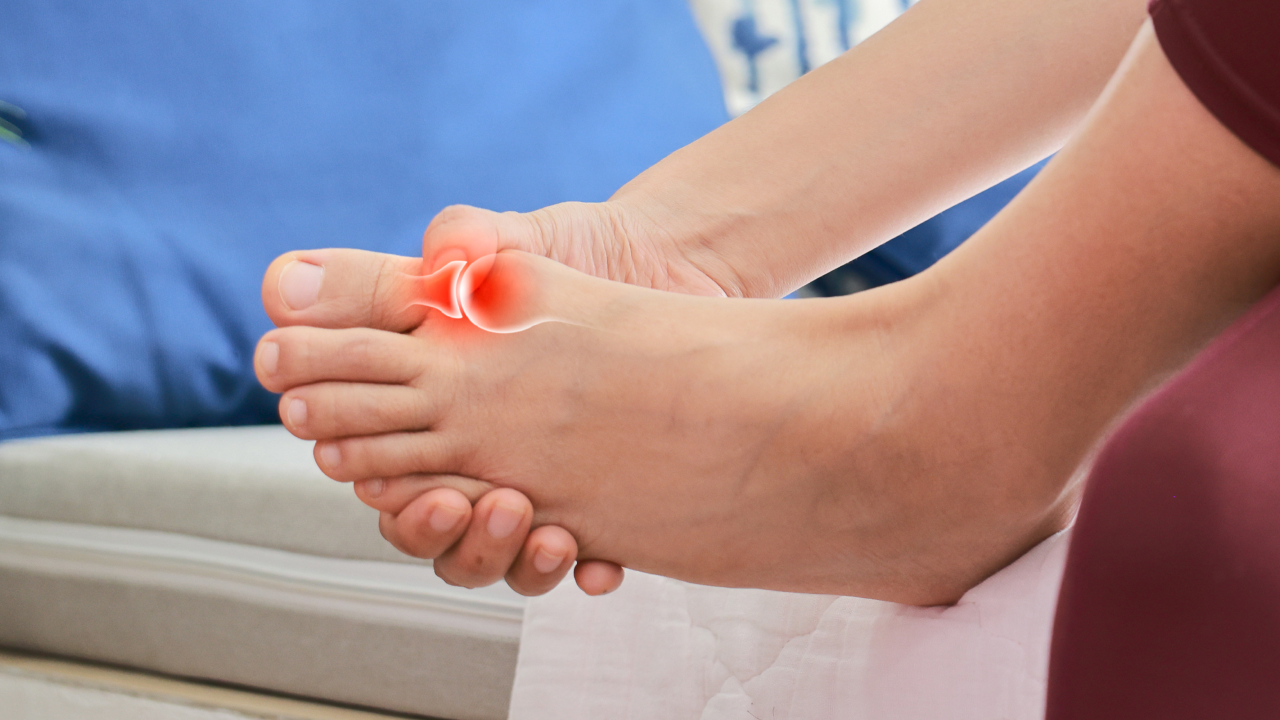
Diagnosing bunions usually does not require complex tests. The specialist examines the foot while standing and bearing weight, as this is when the actual alignment of the big toe and any collapse of the foot arch can be properly assessed. An important part of the examination is also observing the patient’s gait, which can reveal abnormal movement patterns resulting from the deformity.
During the consultation, the alignment of the other toes is also assessed, as the overload associated with bunions often leads to changes in these toes, such as hammertoes. To accurately assess the severity of the deformity and the condition of the bony structures, an X-ray is performed – preferably while standing and bearing weight, as this reflects the actual alignment of the bones during everyday activities rather than only at rest.
Treatment methods for bunions are selected individually – they depend primarily on the severity of the deformity and the intensity of symptoms.
In the early stages, conservative treatment is often used. Its primary goals are to reduce pain, improve everyday comfort and limit factors that aggravate symptoms. It may include, among other things, removal of calluses and hyperkeratosis, choosing appropriate footwear, using orthotic insoles or performing exercises to improve foot function.
Anti-inflammatory medications may be used in cases of severe pain, but they should be selected appropriately based on the patient’s individual circumstances.
It is worth remembering that conservative treatment can effectively reduce pain and slow the progression of the deformity, but it generally does not eliminate established changes in bone alignment. In other words, the earlier treatment is introduced, the greater the chance of limiting further progression of bunions, but it should not be expected to fully “straighten” the big toe when the deformity is already significant.
Physiotherapy plays an important role at every stage of conservative treatment. In addition to exercises that strengthen the foot and improve big toe mobility, as mentioned in the prevention section, a physiotherapist may use manual therapy of the metatarsophalangeal joint, kinesiotaping to support proper big toe alignment, or provide guidance on a correct gait pattern. Regular work with a specialist helps reduce pain and maintain the best possible foot function, even if the deformity itself does not resolve.
In more advanced cases, when the deformity significantly interferes with everyday functioning, surgical treatment may be considered. An orthopaedic specialist will usually recommend surgery when pain does not improve with conservative treatment, the deformity significantly limits daily activities, or finding suitable footwear becomes increasingly difficult. The type of procedure depends on the severity of the changes and the individual structure of the patient’s foot, so the final decision on eligibility for surgery is always made by a doctor.
It is not worth waiting until bunions start to interfere with your everyday functioning. A consultation with a podiatrist is worth considering as soon as you notice the first signs of friction, corns or other symptoms associated with a developing big toe deformity. A podiatrist can help alleviate symptoms, relieve pressure on painful areas and recommend appropriate foot care. However, if the severity of the deformity requires it, they will refer you to an orthopaedic specialist, who will assess whether surgical treatment would be the best option in your case.
Talk to a specialist about treatment options.
Bunions most often develop as a result of a combination of genetic and anatomical predispositions with factors that increase abnormal foot loading – wearing shoes that are too tight, high heels, excess body weight, flat feet, previous injuries or inflammatory joint diseases.
In the early stages, conservative treatment can reduce pain and slow the progression of the deformity. However, established changes in bone alignment cannot be reversed without surgery.
You can mainly relieve pressure on the foot by choosing comfortable, wide-fitting footwear, using orthotic insoles and performing exercises to improve big toe mobility. However, permanently correcting the alignment of the bones requires surgical treatment.
An untreated bunion usually becomes progressively more pronounced, causing increasing pain, restricted big toe mobility, overloading of the adjacent toes and gait disturbances, which may lead to overloading of other joints.
An orthopaedic specialist is responsible for diagnosis and determining the appropriate treatment, including whether surgery may be necessary. For ongoing care, such as relieving pressure on painful areas, foot care and preventive support, it is worth seeing a podiatrist, while a physiotherapist can help with exercises and therapy.


Poczytaj więcej