-
INVICTA Group Services
chevron_left Backclose
INVICTA Group Services
- INVICTA Group
- INVICTA Clinics
- Medical Laboratories
- Fertility Bank
-
Anti-Aging Clinic
- R&D Centre
- NAMI
Surgical treatment for diabetic foot is a specialised medical approach used in patients with difficult-to-heal foot wounds and ulcers. In people with diabetes, even a minor wound can quickly worsen, become infected, and damage deeper tissues. Treatment involves regular wound cleaning, removal of dead tissue, infection control, and the use of specialist dressings. If necessary, the doctor may also perform minor surgical debridement of the wound. The aim of treatment is to stop the condition from progressing, create the right conditions for healing, reduce the risk of infection, and lower the risk of amputation.
Podaj dane potrzebne do przedstawienia oferty cenowej na zabieg:
Perceptibility
Duration
45-60 minutes
Recovery time
none
Number of treatments in a series
as recommended by your doctor
This treatment is intended for people with diabetes who have:
Outpatient treatment is primarily suitable for patients with superficial or moderately severe changes, without signs of a serious infection or critical limb ischaemia.
Regular treatment for diabetic foot can help to:
STAGE I: Assessment of the diabetic foot, including the wound, infection, and the presence of dead tissue
STAGE II: Discussion of an individual treatment plan
STAGE III: Wound cleaning and debridement
STAGE IV: Application of a specialist dressing
STAGE V: Scheduling a follow-up and next appointment to monitor healing progress
Outpatient surgical treatment for diabetic foot cannot be performed in patients with:
We’ll call you back to arrange a time that suits you.
Specjalista o zabiegu

Diabetic foot is a complication of diabetes in which difficult-to-heal wounds and ulcers develop on the foot. These wounds can easily become infected and may lead to damage of deeper tissues. Surgical treatment is recommended when the wound does not heal on its own, when dead tissue or infection appears, or when the changes continue to worsen.
In most cases, treatment is carried out on an outpatient basis – the patient attends regular appointments and returns home the same day. Hospitalisation is only necessary in cases of severe infection, signs of sepsis, or critical limb ischaemia.
The number of appointments is determined individually and depends on the depth of the changes, the condition of the wound, and the speed of healing. In most cases, several to a dozen follow-up visits are required.
Regular attendance is very important – interruptions in treatment may slow healing and increase the risk of complications.
Improvement may be visible within a few days of starting treatment. However, complete healing of the ulcer usually takes from several weeks to several months. The speed of healing depends on factors such as blood glucose control, regular follow-up visits, and carefully following your doctor’s recommendations.
Wound cleaning and debridement are usually not very painful. The level of discomfort is rated at 2 on a 5-point scale. Most patients experience only mild discomfort. If necessary, your doctor may use local anaesthesia.
During treatment, you should wear comfortable, wide-fitting shoes that do not put pressure on the foot or cause additional rubbing. In some cases, your doctor may recommend specialist footwear or pressure-relieving insoles. Walking barefoot should be avoided completely.

From 250,00 PLN
Need expert advice in aesthetic medicine, surgery, or gynecology? Trust the knowledge and experience of our medical specialists.

150,00 PLN
Struggling with foot issues or simply want to improve their appearance? Book a podiatry consultation at INVICTA Anti-Aging Clinic.
From 250,00 PLN
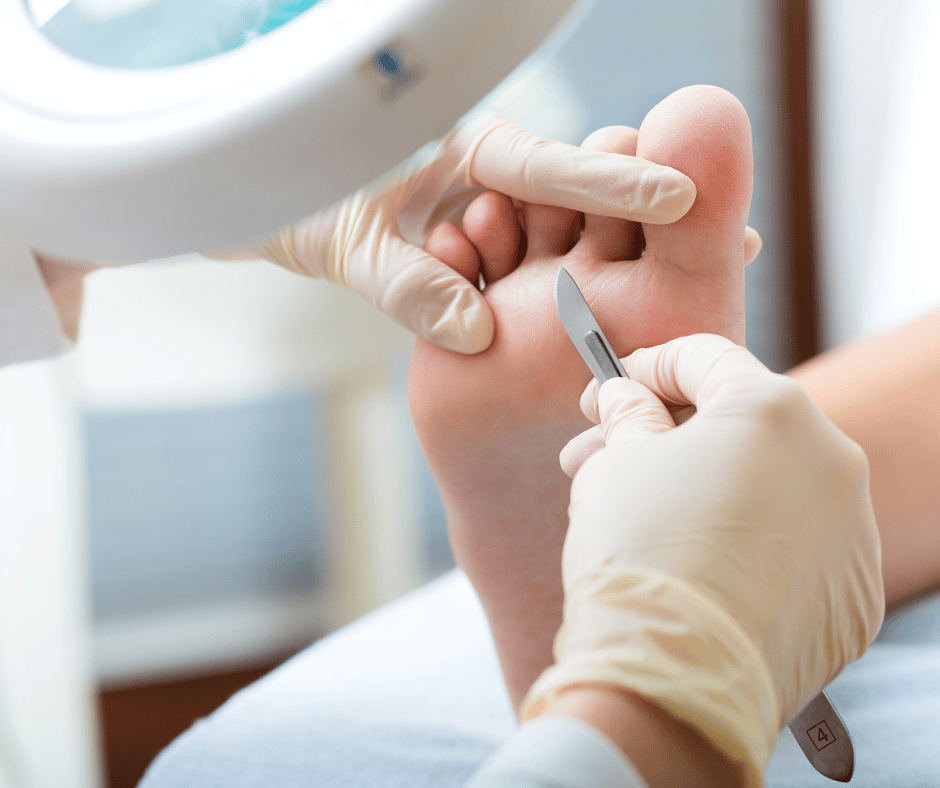
Medical Pedicure – effective treatment and expert foot care.

From 250,00 PLN
Get rid of calluses, corns, and dry heels. Restore and nourish your feet with the KART pedicure – a safe and effective treatment, also suitable for pregnant women and people with diabetes.
From 1500,00 PLN
Ingrown toenails can be a painful and persistent issue. When other treatments fail to provide relief, podiatric surgery offers an effective solution.