-
INVICTA Group Services
chevron_left Backclose
INVICTA Group Services
- INVICTA Group
- INVICTA Clinics
- Medical Laboratories
- Fertility Bank
-
Anti-Aging Clinic
- R&D Centre
- NAMI
Fact checked by: lek. Iwona Cimaszkiewicz
Update date: 24 July 2026
Publish date: 27 June 2025
Read in: 10 min
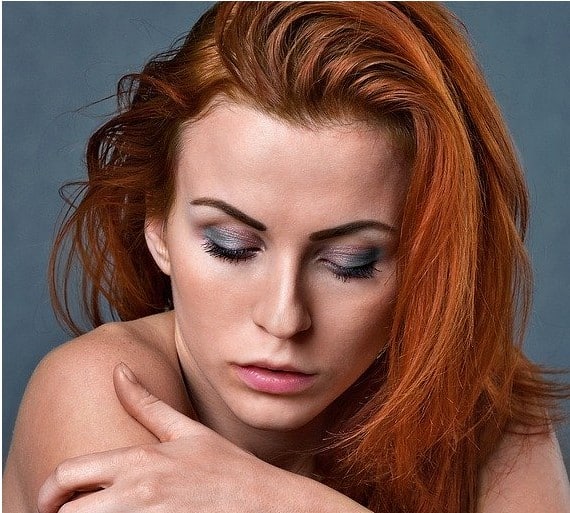
Botox, also known as the “elixir of youth,” is one of the most commonly used substances for reducing and correcting facial expression lines. Preparations derived from botulinum toxin, when administered in the right doses, not only provide a quick and effective way to rejuvenate the skin but also have broad applications in medicine. What is Botox and how does its spectacular effect work?
Table of Contents
In the 20th century, a new field of medicine called aesthetic medicine emerged, and with it, Botox found wide applications. This remarkable substance, which was accidentally discovered for its therapeutic properties (during therapies related to facial muscle pathologies), became the most popular ingredient in rejuvenating treatments.
Until the 19th century, this substance was primarily known as botulinum toxin (also called botulism toxin, botulina, or simply BTX), which in larger doses causes a condition known as botulism, potentially leading to death by suffocation in extreme cases.
It was only in the early 20th century that its medicinal properties were discovered, and it was successfully used in various medical fields.
Dopiero na początku XX wieku odkryto jej lecznicze właściwości i z powodzeniem zaczęto wykorzystywać ją w różnych dziedzinach medycyny.
Botox is the commercial name for botulinum toxin, a potent neurotoxin produced by the anaerobic bacterium Clostridium botulinum.
There are several types of botulinum toxin, labeled from A to H, with types A, B, and E being the most relevant to human health. Botox is used in treatments related to muscle and nerve function due to its action, which involves permanently binding to the neuromuscular junction and paralyzing muscle contractions (blocking neuromuscular transmission).
This leads to muscle relaxation. However, over time, as new neuromuscular endings form, the transmission of nerve impulses gradually returns.
In aesthetic medicine, Botox is used to reduce facial expression wrinkles, such as the frown lines on the forehead or crow’s feet around the eyes. It works by blocking nerve impulses to the muscles, causing a temporary paralysis. As a result, the skin smooths out, wrinkles become less visible, and the face appears younger and more rested.
It is important to note that Botox also has therapeutic applications, particularly in migraine treatment. Injections of botulinum toxin at specific points on the head can effectively reduce the frequency and intensity of migraine attacks.
The effects of Botox become visible within a few days after the procedure and typically last for several months. Patients can generally enjoy a refreshed skin appearance and softened wrinkles.
For this reason, Botox has found its application in aesthetic medicine, where its properties are ideal for reducing wrinkles (which are the result of facial muscle movements that control facial expressions).
Injecting Botox into a wrinkle blocks the movement of the muscle just beneath it, which leads to a significant softening of the facial features. The effect of botulinum toxin is not only the smoothing of existing wrinkles but also the prevention of new ones from forming. Using Botox, the following can be addressed:
The most popular use of botulinum toxin products today is for rejuvenating treatments, but its unique properties also allow for:
Injecting Botox into the skin does not carry a high risk of adverse side effects. However, like any other medical procedure, there are certain contraindications that prevent its performance. These include:
Botox wrinkle correction is a quick and simple procedure, with a session lasting no longer than 30 minutes. Importantly, it does not require any detailed diagnostic tests. The procedure consists of several injections with a very fine needle, which can be compared to the feeling of a mosquito or ant bite. (Those who are more sensitive may opt for anesthesia.)
The cost of Botox injections depends on the number of areas treated, starting from 650 PLN. The most cost-effective option is to treat several areas during a single session.
It’s important to note that immediately after the procedure, you can return to your normal activities. However, it is recommended to avoid excessive physical activity and alcohol consumption on the same day. It is also advised to refrain from lying down or bending over for about 4 hours, and avoid massaging the injected areas.
Additionally, for the first two days, it is recommended to avoid using saunas or other places where you may be exposed to significant temperature fluctuations.
Furthermore, treatments that use deep infrared, radiofrequency, or laser should be avoided, as they can shorten the duration of the effects.

The first changes in the appearance of the face are visible within 2-3 days after the injection. However, the full effect of the botulinum toxin (i.e., the inability to wrinkle the muscle) typically becomes apparent after about 14 days.
Depending on the individual characteristics of the patient, the effect lasts about 4-6 months and gradually wears off. The treatment is equally effective for both women and men. A follow-up consultation is always recommended after the procedure.
Wrinkle reduction using botulinum toxin is not permanent, which has its advantages, as it allows for a quick return to a natural appearance in case of any doubts. How often can the Botox injection procedure be repeated?
The treatment can be repeated every 4-6 months, but not more frequently than every 3 months. With regular use of Botox, the duration of the treatment effects extends, which can reduce the frequency of subsequent treatments.
Powtarzać można go co 4-6 miesięcy, nie częściej jednak niż 3 miesiące. Przy systematycznym stosowaniu botoksu, czas utrzymywania się efektów leczenia wydłuża się, dzięki czemu można zmniejszyć częstotliwość kolejnych zabiegów.
It should be emphasized that during the procedure, botulinum toxin is used in very low concentrations, so the risk of systemic toxicity is practically nonexistent.
The doses are individually tailored to each patient and usually range from 20 to 125 units per session.
To reduce the risk of complications, Botox should only be performed in professional clinics that employ specialists trained in these types of procedures.
Only a qualified aesthetic medicine doctor (not a beautician or cosmetologist) should carry out the procedure.
Although Botox treatment is generally safe, it can cause adverse side effects in about 2% of cases, such as:
Botox is an effective way to smooth and reduce dynamic wrinkles. However, before deciding to undergo the procedure, it is essential to carefully consider the choice of clinic. Only seeking services from an experienced aesthetic medicine doctor guarantees achieving the desired results.


Read more