-
INVICTA Group Services
chevron_left Backclose
INVICTA Group Services
- INVICTA Group
- INVICTA Clinics
- Medical Laboratories
- Fertility Bank
-
Anti-Aging Clinic
- R&D Centre
- NAMI
Fact checked by: Patrycja Drężek
Update date: 27 July 2026
Publish date: 26 June 2025
Read in: 7 min
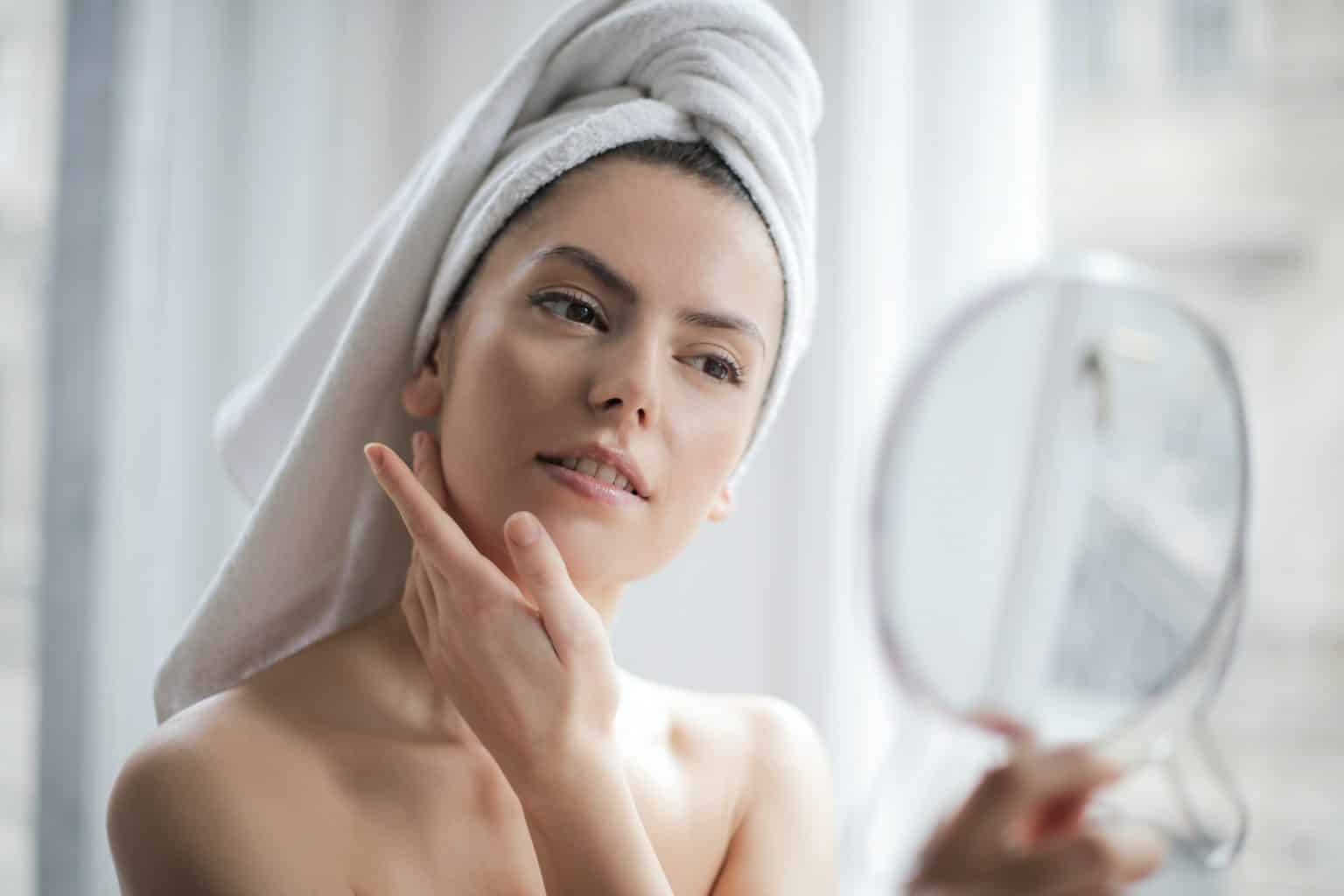
To understand retinol, we first need to look at one of the most essential vitamins for the human body: vitamin A. It’s important to note that vitamin A isn’t a single compound but a group of retinoids—organic chemical compounds that play crucial roles in the body. Their responsibility for skin health is just one part of their many vital functions.
Table of contents
Besides their beneficial effects on the skin, retinoids are involved in the synthesis of steroid hormones. It’s worth highlighting that retinol also positively impacts eye health. Retinoids play important roles in immune responses and cell division throughout the body. Additionally, they support the proper functioning of the respiratory and digestive systems.
Retinoids perform many key physiological functions and are classified into three main groups:
It’s important to note that retinol belongs to the monoaromatic compounds and is the primary form of vitamin A, exhibiting the strongest biological activity.
How does retinol appear in the human body? It is supplied through dietary intake of β-carotene and retinyl esters. However, for proper absorption, vitamin A must be consumed alongside healthy fats—such as those found in fatty, oily fish.
Additionally, retinol can be obtained by eating dairy products, egg yolks, carrots, broccoli, spinach, and pumpkin. This information is especially important for those looking to maximize retinol’s positive effects throughout their body. For years, however, most attention has been focused on its use in treatments offered by modern aesthetic medicine.
Retinol has many qualities that have contributed to its popularity in cosmetology. Its primary use is in anti-aging prevention, thanks to its ability to regulate skin cell turnover and stimulate elastin and collagen production. These effects help skin treated with retinol gradually become firmer, smoother, and more radiant.
This is also linked to the unique properties of this monoaromatic retinoid, which effectively reduces hyperpigmentation by exfoliating the skin and modulating melanocyte activity.
Retinol’s benefits go beyond anti-aging treatments. It also has restorative properties for sun-damaged skin, helping to rebuild its proper structure.
People with oily, acne-prone skin can also benefit from retinol. Regular and careful use helps regulate sebum production. However, in all these skin concerns, proper and cautious application of retinol is crucial to ensure safe and effective results.
The cosmetics market offers various options for applying retinol to the face, neck, and even the entire body. Creams and serums with concentrations ranging from 0.1% to 2% can be somewhat effective. It’s important to note that with skillful application, these products can benefit skin affected by aging or hyperpigmentation. However, over-the-counter solutions are generally recommended for preventive use—usually before the first wrinkles appear. Why? Because higher concentrations of retinol are only available in professional products used during aesthetic medicine treatments.
When starting to use retinol, regardless of the form, it’s important to follow a few key guidelines:
It’s worth emphasizing that the best results from retinol are achieved through professional aesthetic medicine treatments, such as Retix C. This procedure combines 4% retinol, vitamin C, and 30% antioxidants.
It aims to maximize exfoliation, brighten and thicken the skin, while protecting it from harmful oxidative processes. Additionally, undergoing professional treatments at the Anti-Aging Clinic minimizes the risk of unwanted side effects from retinol use. Specialists can also accurately assess the patient’s skin condition for optimal care.

Can retinol cause dangerous side effects that affect skin health? When used improperly or in too high concentrations, it can indeed lead to dryness, irritation, and excessive peeling.
A more serious concern is that retinol, even in small amounts, can penetrate the skin and enter the bloodstream.
This compound has teratogenic effects, which can cause developmental defects in a fetus. For this reason, using retinol products during pregnancy or breastfeeding is considered highly risky.
One of the advantages of professional retinol treatments is not only the enhanced effectiveness of the compound on the skin but also a greater chance of avoiding potential side effects. This is achieved through carefully adjusting the concentration to the skin’s condition and type, as well as expertly planning any treatment series.
It’s also worth noting that for minor skin concerns or preventive care, using lower concentrations of retinol found in dermocosmetics is highly recommended.
However, it’s always best to consult with a cosmetologist or dermatologist before starting any retinol application.


Read more