-
INVICTA Group Services
chevron_left Backclose
INVICTA Group Services
- INVICTA Group
- INVICTA Clinics
- Medical Laboratories
- Fertility Bank
-
Anti-Aging Clinic
- R&D Centre
- NAMI
Fact checked by: Patrycja Drężek
Update date: 27 July 2026
Publish date: 26 June 2025
Read in: 14 min
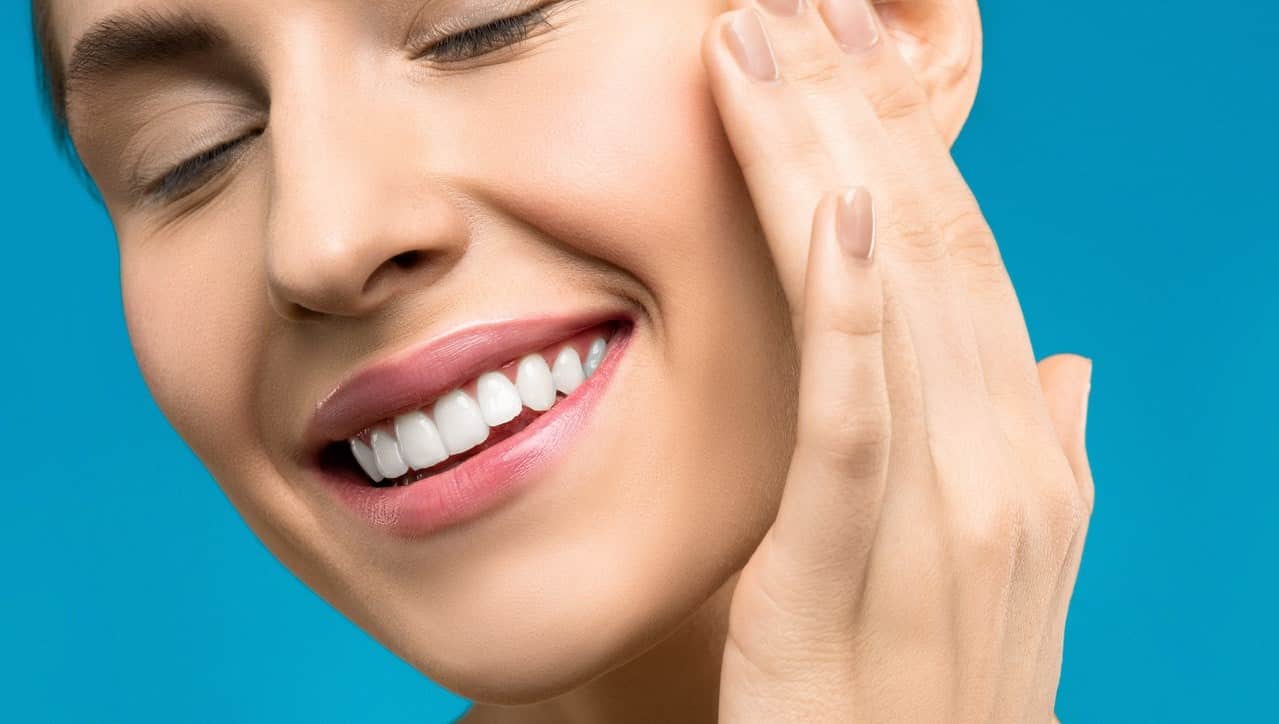
One of the most advanced methods used today to treat signs of skin aging, combat hair loss, and support the healing of injuries and orthopedic conditions is Platelet-Rich Plasma (PRP) therapy — a treatment that uses the patient’s own blood. This means that one of the most effective forms of therapy available today is based on a substance naturally found in everyone’s body. But what exactly is PRP? How can it be used? What results can you expect from PRP treatment, and should you be concerned about possible side effects? Let’s find out.
Table of Contents
Platelet-Rich Plasma, or PRP, is a blood-derived substance that contains a high concentration of platelets (PLTs) suspended in a small amount of plasma. PRP is obtained from a sample of the patient’s peripheral blood. Through a process called centrifugation, the different blood components are separated based on their density. This allows the plasma to be enriched with a concentrated number of platelets. The result is PRP with a platelet concentration that’s typically 3 to 4 times higher than what’s found in normal blood plasma. This elevated level of platelets means a significantly higher presence of growth factors (GFs) — natural proteins that play a key role in the body’s tissue repair and regeneration processes. It’s this regenerative ability that makes PRP such a powerful and versatile tool in both aesthetic and medical treatments.
PRP (Platelet-Rich Plasma) has gained recognition not only in aesthetic medicine and orthopedics but also — more recently — in the treatment of severe viral conditions. What makes it so universally effective lies in its unique mechanism of action. PRP works by stimulating the body’s own cells to regenerate, renew, and function more efficiently. The concentrated platelets in PRP trigger natural, physiological responses that accelerate tissue repair and promote faster healing. It’s this regenerative potential that allows PRP to be applied successfully across such a broad spectrum of medical fields — from facial rejuvenation and hair restoration to joint recovery and immune system support in complex clinical cases.
PRP therapy is especially recommended for patients looking for a natural, biocompatible solution — since it’s an autologous treatment, using the patient’s own blood, it carries minimal risk of allergic reactions or intolerance. In aesthetic medicine, PRP is most commonly associated with slowing down the skin’s aging process, and it’s particularly well-suited for individuals who are sensitive or reactive to substances like botulinum toxin (Botox), but still wish to reduce the appearance of fine lines and wrinkles. This makes PRP an excellent alternative for those seeking skin rejuvenation without synthetic or pharmacological agents — offering natural regeneration, improved skin texture, and a refreshed, youthful appearance.
What’s especially important is that PRP therapy isn’t limited to treating expression lines around the eyes, lips, forehead, cheeks, or nose. It’s also highly effective in reducing wrinkles on the neck, décolletage, and even the hands — areas that are often overlooked but reveal signs of aging just as visibly. During the procedure, doctors use fine needles to carefully inject the PRP along the lines and folds of the skin — precisely where new collagen production needs to be stimulated. This targeted approach helps regenerate the skin from within, gradually softening wrinkles and improving texture in a natural, subtle way.
PRP therapy is also highly recommended for patients struggling with excessive hair loss. The treatment stimulates hair follicle activity, promotes new hair growth, and helps improve overall hair density and thickness. What’s more, PRP is often used to support recovery and enhance results after hair transplant procedures — it can be safely performed as early as one month post-transplant to accelerate healing and strengthen newly implanted follicles.
PRP therapy can be an effective option for patients dealing with a wide range of musculoskeletal conditions — including issues with the knees, hips, shoulders, and even the small joints of the hands and feet. By introducing concentrated platelets directly into the affected area, PRP treatments significantly increase the chances of healing and regenerating damaged tendons and ligaments. This makes it a valuable tool in orthopedic medicine, especially for patients seeking minimally invasive, regenerative solutions.
Recent months have also shown that Platelet-Rich Plasma (PRP) may, to some extent, contribute to saving lives. Patients who experienced severe cases of SARS-CoV-2 infection and were treated with convalescent plasma — that is, plasma from individuals who had already recovered — showed lower mortality rates compared to other infected patients.
The examples presented above are, of course, not the only indications for the use of Platelet-Rich Plasma. PRP treatments are also dedicated to surgical patients (oral surgery, maxillofacial surgery), as well as to individuals suffering from hard-to-heal wounds (such as diabetic foot) or burns.
Blood-derived products have been used across various fields of medicine — including aesthetic medicine — for many years. However, it was the development of advanced methods for obtaining Platelet-Rich Plasma (PRP) that truly enabled the rise of PRP-based anti-aging treatments.
The method of PRP preparation is absolutely crucial in this context. If the process is not carried out correctly, the active components — particularly growth factors (GFs) — can be lost, significantly reducing the effectiveness of the final product.
Today, aesthetic medicine clinics use specialized PRP preparation kits that can yield up to 5 ml of high-quality platelet-rich plasma. This PRP typically contains at least 1 million platelets per mm³, ensuring a concentration potent enough to stimulate visible tissue regeneration.
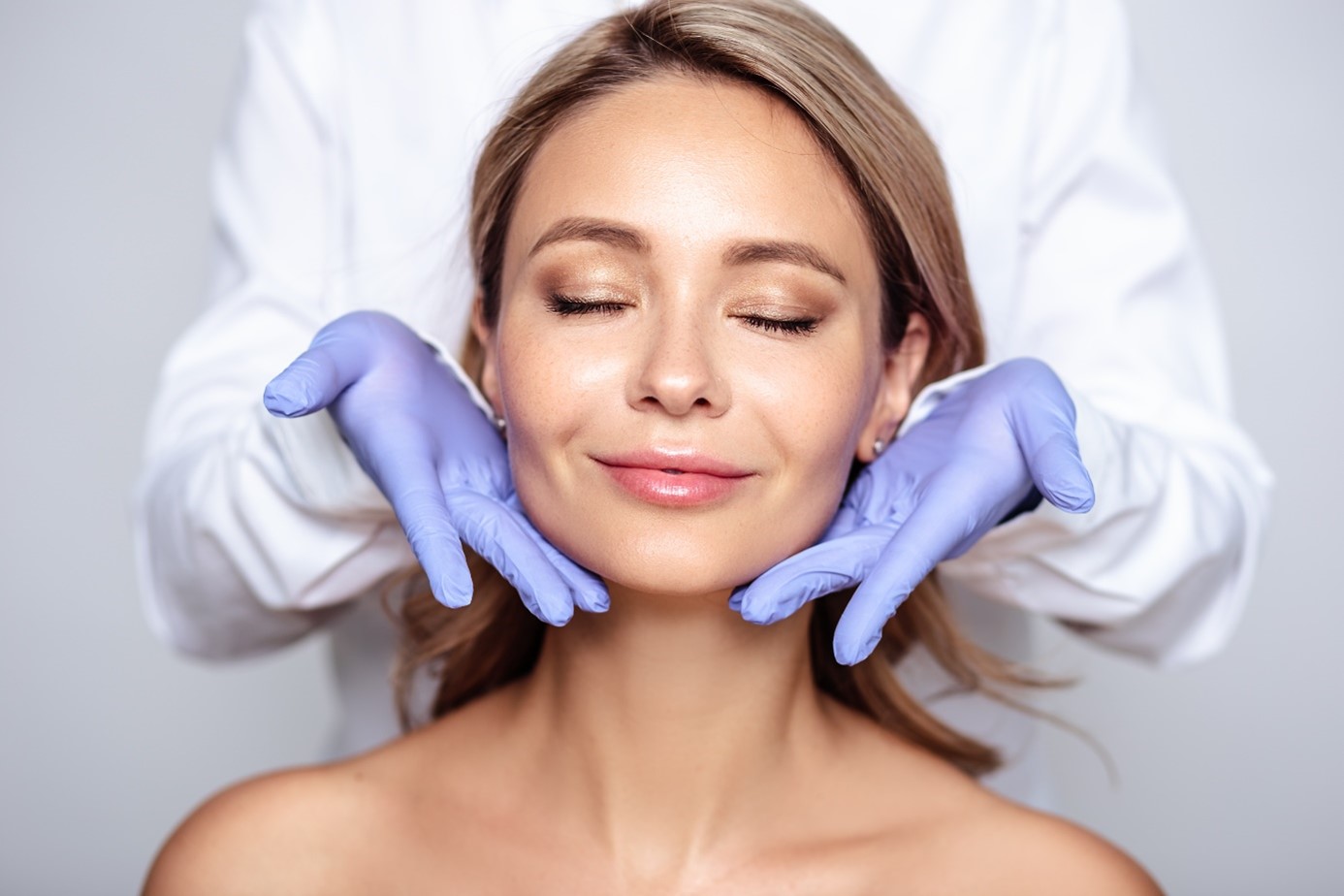
One of the most popular PRP-based procedures in aesthetic medicine is microneedling with Platelet-Rich Plasma — commonly known as the “vampire facial.” This treatment targets visible signs of skin aging and is especially recommended for mature skin showing a loss of firmness, elasticity, and radiance. The goal is not only to reduce the appearance of fine lines and wrinkles, but also to improve skin tone and revive dull, tired-looking complexions. The procedure begins with drawing a small amount of the patient’s own blood from the inner elbow. A nurse then processes the sample in a centrifuge to isolate the platelet-rich plasma. The PRP is then injected into targeted areas of the face, neck, and décolletage by a qualified practitioner. The treatment is performed under topical anesthesia, making it virtually painless for most patients. To achieve optimal results, PRP mesotherapy should be performed in a series of at least three sessions spaced approximately four weeks apart. Because the treatment uses an autologous (your own) substance that naturally stimulates tissue regeneration, the results are long-lasting — but it’s important to note that they require time and consistency to fully develop.
Aesthetic medicine is not only about reversing the visible signs of skin aging — it also addresses specific medical conditions such as hair loss. In this area, Platelet-Rich Plasma (PRP) treatment has proven to be extremely valuable. PRP Mesotherapy for Hair Loss Treatment is designed to stimulate cellular regeneration, which, in the context of hair, means triggering growth factors that promote new hair growth while also helping to prevent excessive shedding. Thanks to this approach, many patients are able to postpone or even avoid undergoing a hair transplant — a considerably more expensive procedure compared to PRP mesotherapy. The treatment involves intradermal injections of PRP directly into areas most affected by hair thinning — typically the hairline (where receding begins), the crown, and the top and back of the scalp. PRP nourishes the scalp, reactivates hair follicles, and promotes stronger, healthier hair growth. Depending on the severity of the condition, the procedure should be repeated between 3 and 6 times. In some cases, it can be combined with vitamin-rich ampoule treatments to enhance results. Initial improvements are often visible within 14 days, with full results typically developing over the course of three months.

Platelet-Rich Plasma (PRP) has applications across many branches of medicine, as previously mentioned. It was first used in 1987 during a cardiac surgery, where it significantly reduced the need for blood transfusions during the procedure. One of the fields where PRP is especially common is maxillofacial surgery. It is most often used to accelerate healing and increase cellular density following bone grafts — for example, in jaw reconstruction procedures. In recent years, however, PRP has gained particular popularity among orthopedic patients and those seeking treatment within the field of sports medicine, thanks to its regenerative capabilities and minimally invasive nature.
Platelet-Rich Plasma (PRP) is widely used in orthopedics and sports medicine as an effective agent for supporting the healing of injured muscles, tendons, bones, and joints. It is increasingly bringing relief to patients suffering from degenerative joint diseases and chronic overuse injuries.
PRP formulations also accelerate tissue regeneration following surgeries on damaged menisci or ligaments. This regenerative effect is primarily due to the presence of key growth factors (peptides), including:
Platelet-Derived Growth Factor (PDGF)
Insulin-Like Growth Factor 1 (IGF-1)
Fibroblast Growth Factor (FGF)
How do these growth factors support recovery in orthopedic patients?
Together with other bioactive components, they play a vital role in removing necrotic tissue and initiating the repair of anatomical structures. They do this by attracting mesenchymal stem cells, osteoblasts, and macrophages to the site of injury — promoting faster and more effective healing.
Over the past year, the world has been forced to confront the devastating consequences of SARS-CoV-2 infections. The disease caused by the virus — COVID-19 — has directly or indirectly claimed the lives of more than 1.6 million people worldwide. In the effort to combat the widespread impact of the virus, researchers discovered that administering convalescent plasma — blood plasma collected from individuals who had recovered from COVID-19 — could significantly improve a patient’s chances of survival. In patients with milder forms of the infection, convalescent plasma was observed to help boost antibody production and support faster recovery. However, the effectiveness of convalescent plasma therapy in treating COVID-19 largely depends on individual patient factors, including the stage of the infection and the presence of any underlying health conditions.
The primary indications for PRP treatment include early signs of skin aging, dull or tired-looking skin, excessive hair loss, and lack of results from previous hair loss treatments. On the other hand, major contraindications include cancer, blood disorders, and autoimmune diseases.
Platelet-Rich Plasma (PRP) is a highly effective substance used in a wide range of medical treatments. Patients undergoing PRP therapy often report a significant improvement in their quality of life — whether through pain relief or enhanced appearance. As an autologous substance derived from the patient’s own blood, PRP is considered safe and is rarely associated with adverse effects. In rare cases, side effects may include post-injection discomfort, lack of expected results, infection, clot formation, or scarring. However, such reactions are uncommon and should not discourage patients from considering PRP therapy, especially given its proven safety profile and regenerative potential.


Read more