-
INVICTA Group Services
chevron_left Backclose
INVICTA Group Services
- INVICTA Group
- INVICTA Clinics
- Medical Laboratories
- Fertility Bank
-
Anti-Aging Clinic
- R&D Centre
- NAMI
Cryotherapy, also known as dermatological cryosurgery, is one of the most commonly used methods for removing skin lesions. It’s a minimally invasive, safe, and highly effective procedure. The treatment involves precisely freezing the affected tissue with liquid nitrogen, leading to its controlled removal and stimulating the skin’s natural regeneration processes. Thanks to its targeted action, cryotherapy does not damage the healthy tissue surrounding the lesion.
Podaj dane potrzebne do przedstawienia oferty cenowej na zabieg:
Perceptibility
Duration
Just a few minutes
Recovery time
2 weeks
Number of treatments in a series
1-4
Cryotherapy is recommended for individuals with:
STEP I: Disinfection
STEP II: Application of liquid nitrogen
The result of cryotherapy is the effective removal of the skin lesion and a noticeable improvement in the appearance of the treated area. The skin regains a smooth texture and even tone, with no visible signs of intervention. By stimulating the body’s natural regeneration processes, new skin forms evenly—minimizing the risk of scarring or discoloration.
Cryotherapy is not recommended for individuals with cold sensitivity, blood clotting disorders, or autoimmune diseases. It is also not advised for pregnant or breastfeeding women. Active skin infections in the treatment area and certain advanced systemic conditions—such as uncontrolled cardiovascular diseases—are also contraindications. The decision to proceed with cryotherapy is always made by a physician following a consultation.
We will call you back to arrange a convenient date for you
meet our exprt


The procedure may cause a brief sensation of burning or tingling, but it typically doesn’t require any anesthesia.
In most cases, a single treatment is sufficient. However, for larger or more stubborn lesions, a follow-up session may be needed after a few weeks.
No – cryotherapy typically does not leave scars or discoloration, as long as the treated area is properly cared for during the healing process.
Yes, multiple skin lesions can be treated in a single session, provided the doctor finds no contraindications.
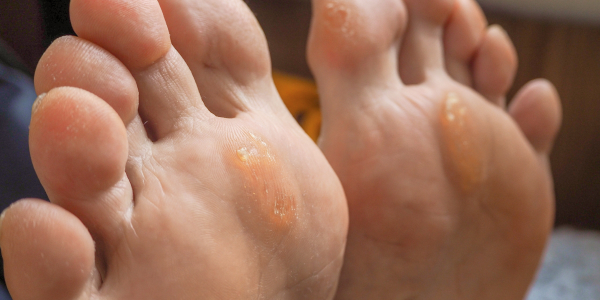
Depending on the size of the lesion, a wart most often heals and falls off within a few weeks after freezing. Sometimes it does not fall off on its own and needs to be excised, preferably by a podiatrist.
Sometimes warts may recur, especially if the cause of their development is not eliminated. If necessary, the procedure can be repeated or additional treatment can be used.
Usually, you can walk freely after wart freezing, but if the lesion was on the foot, especially on the sole, walking may cause pain or discomfort. In that case, it is worth avoiding long walks for a few days, protecting the wound with a dressing, and wearing comfortable footwear.