-
INVICTA Group Services
chevron_left Backclose
INVICTA Group Services
- INVICTA Group
- INVICTA Clinics
- Medical Laboratories
- Fertility Bank
-
Anti-Aging Clinic
- R&D Centre
- NAMI
Nail fold plastic surgery is a podiatric surgical procedure commonly used to treat ingrown toenails. It is performed under the supervision of both a surgeon and a podiatrist. This method is highly effective, safe, and helps prevent further complications. It is especially recommended for individuals who have not seen satisfactory results from previous conservative treatments for ingrown toenails.
Podaj dane potrzebne do przedstawienia oferty cenowej na zabieg:
Perceptibility
Duration
60 min
Recovery time
10-20 days
Number of treatments in a series
1
During the procedure, the excess tissue of the nail fold is removed and lowered to the level of the nail plate.
The treatment is performed under local anesthesia in a surgical room. The patient remains fully conscious and alert throughout the procedure, and no hospitalization is required.
The procedure is intended for individuals experiencing health issues related to the toenail area. These may include:
We will call you back to arrange a convenient date for you
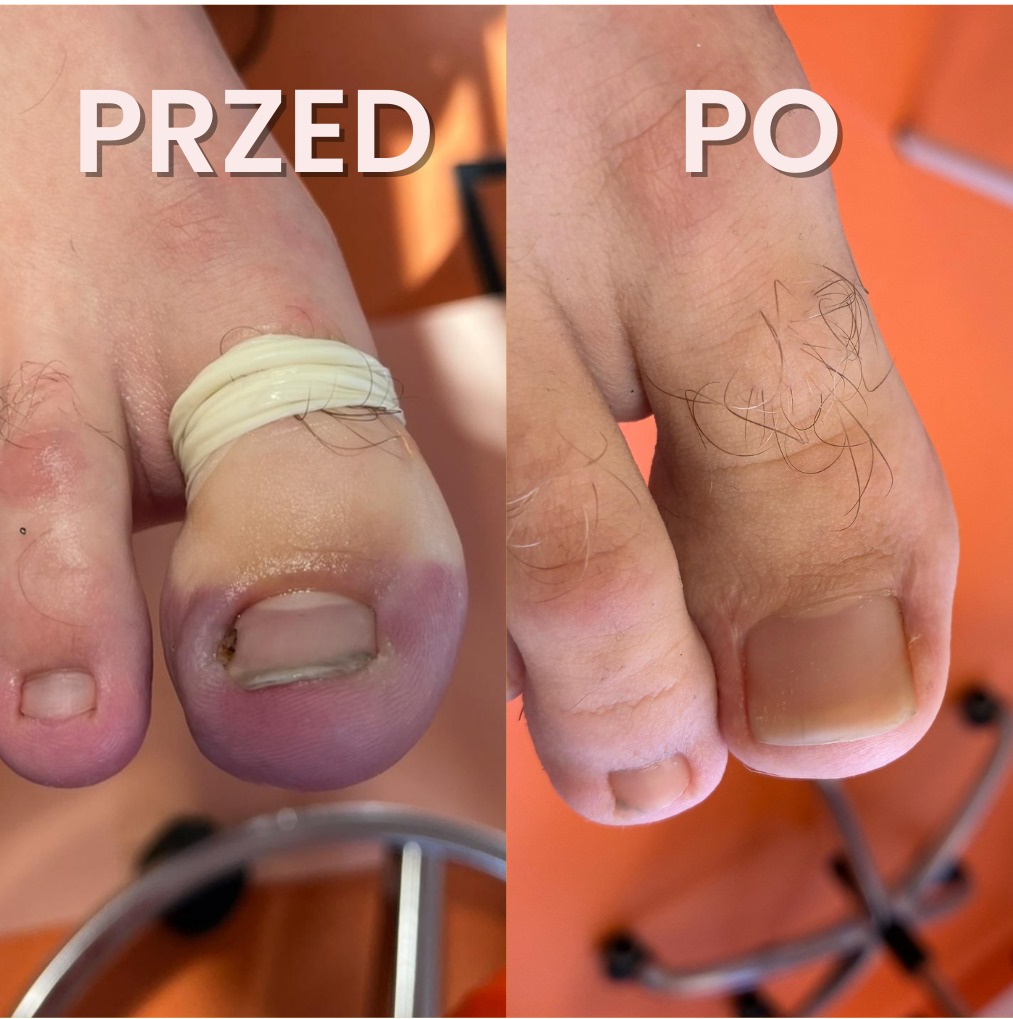
Removal of inflamed soft tissue around the nail. This procedure allows the nail plate to grow along a new, proper path within newly formed nail folds, eliminating pain and inflammation. It provides a permanent solution to the problem of ingrown toenails.
The procedure is performed under local anesthesia. Aside from the initial pinch from the anesthetic injection, the patient does not feel any pain during the treatment.
After the nail fold is surgically removed, stitches are placed and typically removed after about 2 weeks—usually between 10 to 20 days, depending on the individual case. Some pain or discomfort may be experienced for 2 to 5 days following the procedure.
Uncontrolled diabetes, active cancer, history of radiotherapy or chemotherapy within the last 6 months, thromboembolic disease (especially episodes of deep vein thrombosis in the lower limbs), blood clotting disorders, a tendency to form keloids or experience abnormal tissue healing, lack of patient motivation or willingness to follow post-op care, as well as pregnancy and breastfeeding, are all contraindications for the procedure.
Three days before the procedure, after the evening bath, the patient should disinfect the toe with the ingrown nail using a designated antiseptic solution. The toe should then be gently covered with a bandage. Depending on the condition of the treatment area, the specialist may also prescribe an antibiotic.
The patient should prepare the necessary products and dressings for post-procedure care until the stitches are removed, including:
Hematoma, infection at the surgical site, localized skin necrosis, slow-healing wounds, or lack of the desired outcome are potential complications.
During the healing process, patients may experience hematomas, mild swelling, redness around the stitches, discharge, wound dehiscence, or pain—depending on individual predispositions and sensitivity.
The most important aspects of recovery include changing dressings according to the specialist’s instructions, limiting walking to a minimum, attending a follow-up visit for stitch removal around 14 days after the procedure, strictly following post-operative care guidelines, and undergoing nail growth and nail bed regeneration therapy at a podiatry clinic.
Above all, the dressing applied in the clinic after nail fold plastic surgery should not be removed or exposed to moisture for the first 48 hours. If there is any bleeding through the dressing, an additional layer can be gently added on top. After 48 hours, the dressing may be changed—but only after softening it with a specialist solution. It is essential not to use any products not recommended by the doctor, including hydrogen peroxide or traditional soap, as they can cause pain and irritation around the stitches.
For the first 4–6 days, walking should be significantly limited. In the following days, light movement around the house is allowed, but it is important to avoid wearing full, tight-fitting shoes until the stitches are removed.
From 500,00 PLN
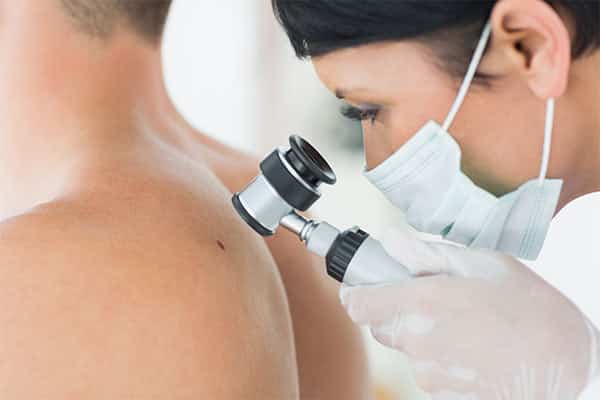
This minor surgical procedure allows for the safe and effective removal of unwanted moles, skin tags, and other imperfections — all in a single visit.
From 1600,00 PLN
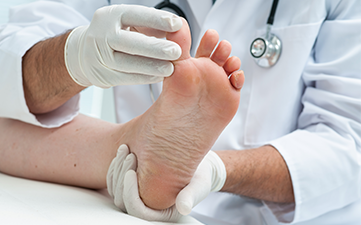
If you've suffered a mechanical injury to your toe, you might need a specialized podiatric procedure known as fingertip (toe tip) reconstruction. This minor surgical treatment helps restore the natural shape and function of the toe pad—especially when healing on its own isn't enough.
From 2000,00 PLN
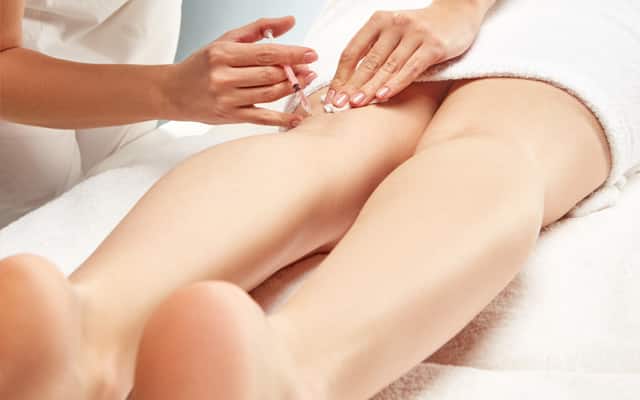
Sclerotherapy is a non-invasive treatment that targets varicose and spider veins, enhancing the appearance of the legs while also helping to relieve symptoms of venous insufficiency.