-
INVICTA Group Services
chevron_left Backclose
INVICTA Group Services
- INVICTA Group
- INVICTA Clinics
- Medical Laboratories
- Fertility Bank
-
Anti-Aging Clinic
- R&D Centre
- NAMI
At the INVICTA Anti-Aging Clinic, we treat both acne vulgaris and rosacea using advanced CPL (Calibrated Pulsed Light) laser technology. This method effectively targets even active acne, and when performed as a series, it promotes faster healing of inflamed areas, supports skin regeneration, and helps diminish post-inflammatory discoloration.
Podaj dane potrzebne do przedstawienia oferty cenowej na zabieg:
Perceptibility
Duration
30-40 min
Recovery time
none
Number of treatments in a series
4-6
24 Hours Before Your Appointment:
Avoid consuming alcohol and do not use any skincare products or toners that contain alcohol.
3 Weeks Before the Treatment:
Discontinue the use of the following:
Following these guidelines helps ensure your skin is well-prepared and minimizes the risk of irritation during the procedure.
This treatment is designed for individuals struggling with acne—both vulgaris and rosacea—as well as those dealing with inflammation and excessive sebum production.
During the treatment, we use CPL (Calibrated Pulsed Light) technology to reduce the presence of anaerobic bacteria responsible for acne breakouts. The light also helps shrink sebaceous glands, leading to decreased oil production and a more balanced complexion.
For optimal results, a series of treatments is recommended—typically between 4 and 6 sessions. When treating active acne, sessions can be repeated every 3–4 days. For less active or healing acne, treatments are usually spaced 7–10 days apart. If the skin becomes irritated, a soothing or cooling cream can be applied locally. It’s absolutely essential to protect the treated areas from sun exposure for at least 4 weeks following each session.
This treatment is not recommended during pregnancy or breastfeeding, in cases of vitiligo or other autoimmune disorders, tumors or cancer, and for individuals with hypersensitive skin. It should also be avoided if you’ve recently had Botox or dermal fillers in the treatment area (a minimum one-week gap is required), or if you have uncontrolled diabetes, certain mental health conditions, gastrointestinal issues like diarrhea or vomiting, or any infectious or contagious diseases.
Additional contraindications include sunburn, active cold sores in the treatment area, a tendency to form hypertrophic scars or keloids, use of photosensitizing substances or medications (including isotretinoin), light sensitivity, recent sun exposure or tanning, the presence of a pacemaker or insulin pump, metal implants, thrombosis, vein inflammation, visible bruising, broken skin, epilepsy, and unstable blood pressure—either high or low. If any of these conditions apply, it’s essential to consult with a specialist before proceeding.
We will call you back to arrange a convenient date for you
meet our expert

Possible complications after acne treatment include:
• burning,
• stinging, which may last for several hours after the procedure,
• erythema and swelling as a direct effect of acne treatment,
• itching — especially around the nose and cheeks,
• increased skin sensitivity.
Alternative methods of acne treatment include, among others, pharmacological treatment and chemical peels. When choosing the best form of therapy, the specialist takes into account medical indications and contraindications, the patient’s expectations, as well as the severity and underlying cause of the problem.
The first effects of acne treatment may be visible after the very first procedure. The condition of the skin will improve gradually, and the results will include a reduction in inflammation, smoother skin, and improved skin tone.
Yes, the procedure may also work on active acne. It helps reduce inflammation, accelerates the healing of lesions, and limits the formation of new blemishes.
Yes, the procedure supports the reduction of post-inflammatory hyperpigmentation and improves skin tone, but deeper changes may require a combination of several therapeutic methods.
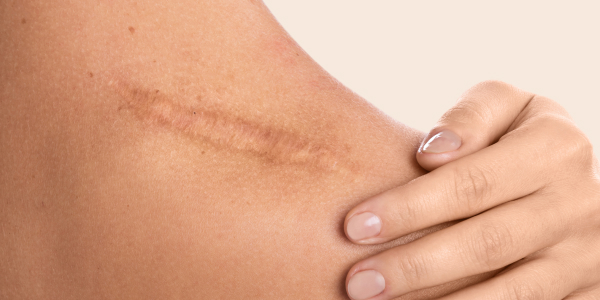
From 300,00 PLN
Effective treatment for hypertrophic scars and keloids – reduce redness, skin tightness, and the visibility of raised scars.
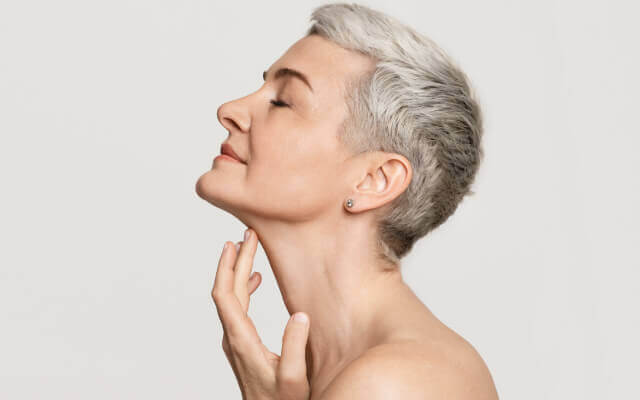
From 550,00 PLN
Needle-free radiofrequency stimulates collagen production, improves skin elasticity and density. The result? Natural rejuvenation without pain.
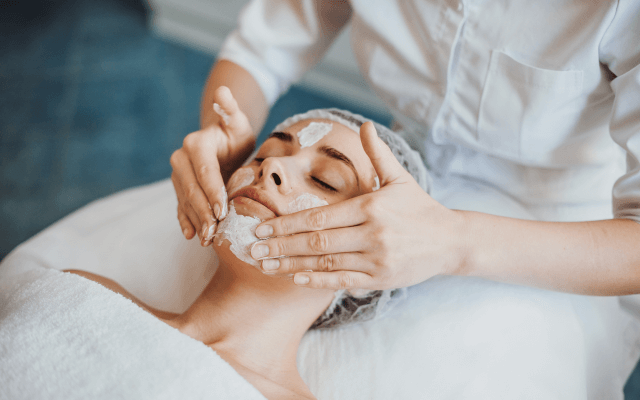
From 400,00 PLN
The treatment helps restore the skin’s elasticity, smoothness, and overall comfort. It gently exfoliates the skin without causing irritation.
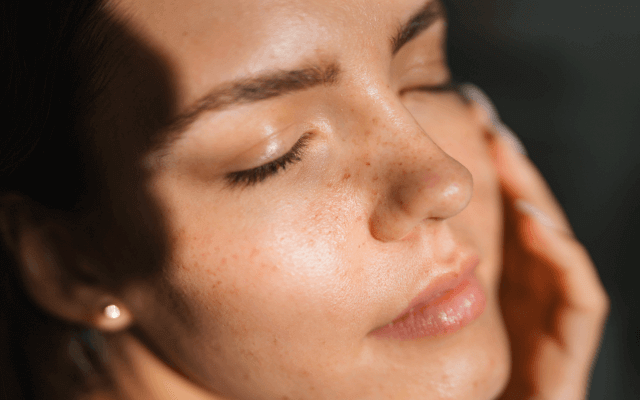
From 400,00 PLN
This sun-protective exfoliant helps fade discoloration, smooths the skin's texture, and strengthens its natural protective barrier.
From 280,00 PLN
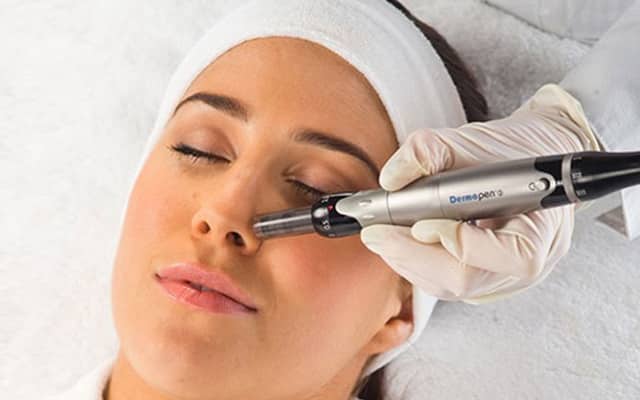
The Dermapen 4.0 treatment is an innovative way to rejuvenate and improve skin condition through minimally invasive microneedling.
From 400,00 PLN
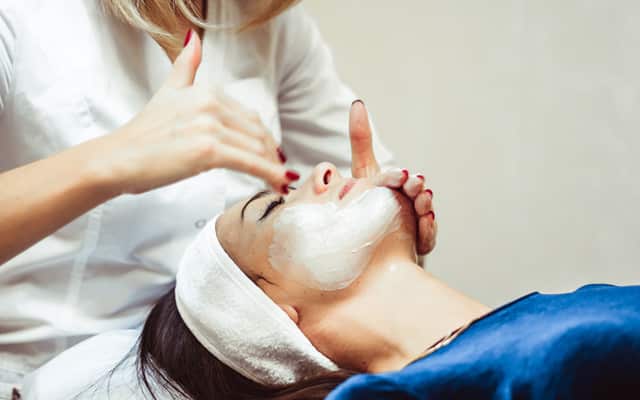
Get rid of acne on your face, neck, chest, and back with medical-grade peels. It's a reliable solution for people of all ages.
From 400,00 PLN
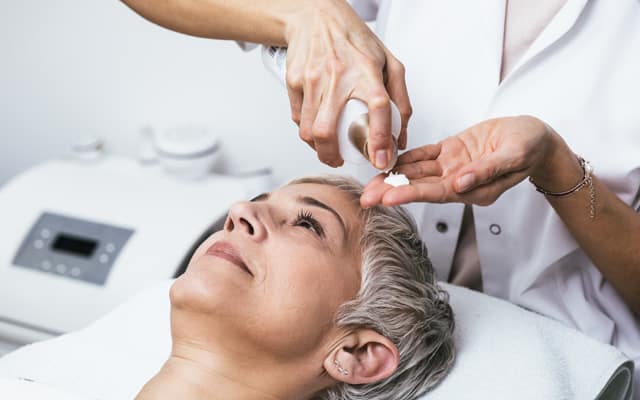
Cleansing peels revitalize the skin and have a positive effect on its texture and overall tone. They are gentle treatments that do not cause significant irritation, making them a safe and effective option for regular skin maintenance.
From 350,00 PLN
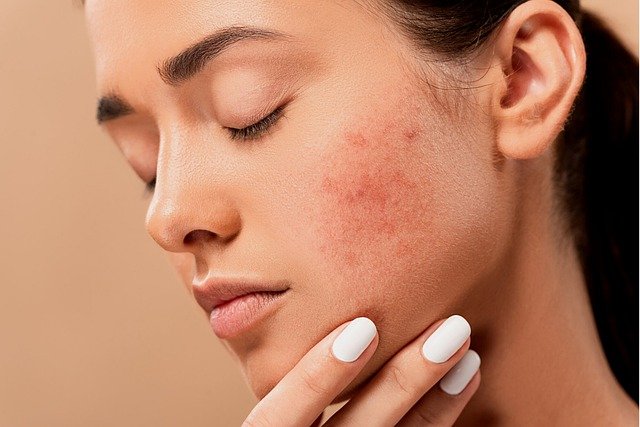
The laser stretch mark and scar removal procedure works by delivering controlled laser energy to the skin, which stimulates the regeneration of its deeper structures.