Recovery after photorejuvenation is not necessary. After the treatment, you can return to your daily activities immediately.
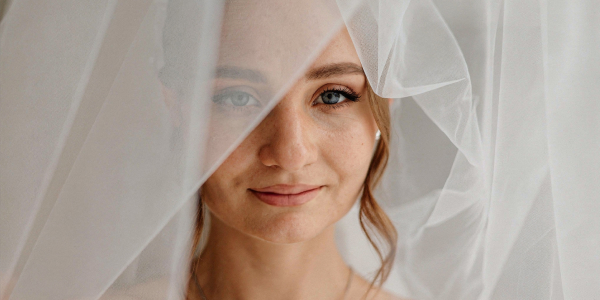
Photorejuvenation is a modern, non-invasive skin rejuvenation method that uses advanced CPL (Calibrated Pulsed Light) technology. The treatment stimulates the natural production of collagen, elastin, and hyaluronic acid, helping to improve skin firmness, elasticity, and smoothness.
Podaj dane potrzebne do przedstawienia oferty cenowej na zabieg:
Perceptibility
Duration
30 - 60 min
Recovery time
none
Number of treatments in a series
3
6 months before the treatment:
Discontinue any medication containing Roaccutane, Accutane, tretinoin, or isotretinoin.
3 weeks before the treatment:
Stop using skincare products with acids, detoxifying or slimming herbal supplements, and certain medications.
24 hours before the treatment:
Avoid alcohol and alcohol-based skincare products.
This treatment is perfect for those looking to reduce fine lines and expression wrinkles, improve skin elasticity, brighten the complexion, and restore a healthy glow. It’s especially recommended for individuals with visible signs of aging or those seeking to improve skin density and firmness.
STEP I: Skin cleansing and protection of the eyes with safety goggles.
STEP II: Application of a special gel that conducts CPL light pulses, which penetrate deep into the skin layers to stimulate the production of collagen, elastin, and hyaluronic acid.
STEP III: Application of a soothing cream followed by a UV protection cream.
Initial results—such as brighter, tighter skin—are noticeable immediately after the treatment. Full results develop within 8 weeks. For optimal outcomes, the procedure should be repeated 2–3 times at intervals of 4–6 weeks.
If skin irritation occurs, soothing masks and regenerative creams should be used. It is essential to apply a UV protection cream for at least 2 weeks after the treatment.
CPL photorejuvenation is not recommended for pregnant or breastfeeding women. Individuals with vitiligo or other autoimmune disorders should also avoid the treatment. Tumors, cancers, and extreme skin sensitivity are serious contraindications. The procedure should not be performed on patients who have received Botox or dermal fillers in the treatment area within the past week.
Additionally, people with uncontrolled diabetes, diarrhea, vomiting, or any contagious or infectious disease should refrain from undergoing photorejuvenation.
We will call you back to arrange a convenient date for you
meet our expert


Photorejuvenation usually does not hurt. Thanks to cooling of the device head, the treatment is most often associated with only minimal discomfort – patients feel a sudden warmth and a strong flash of light.
The first effects of photorejuvenation are visible immediately, with full results after 8 weeks.
Photorejuvenation is best performed between autumn and spring, as this is when the skin is less exposed to intense UV radiation. In some cases, a specialist may also qualify a patient for the treatment in summer, but this requires appropriate sun protection.
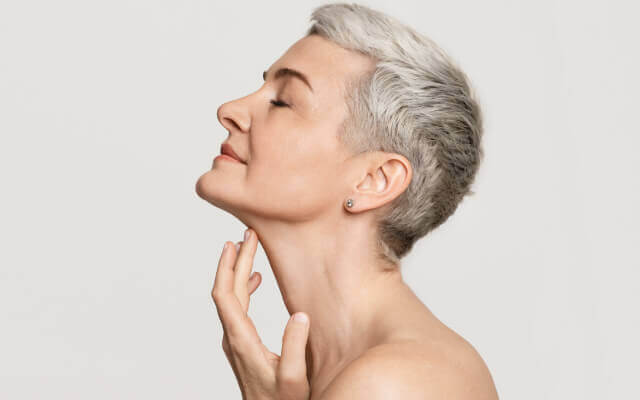
A volumetric laser improves the quality, density, and tightness of the skin. It stimulates natural collagen production, which can make the skin firmer, more elastic, and smoother. The treatment may also support a subtle improvement in the facial oval and reduce the visibility of fine wrinkles and skin laxity.
Yes, photorejuvenation can be combined with other treatments, such as hydrating, regenerative, or anti-aging therapies. Properly selected methods may increase the effectiveness of the therapy and accelerate the achievement of results. The treatment plan is always determined individually during the consultation. Our patients most often choose combined therapies with other lasers, such as a fractional CO2 laser.
Yes, photorejuvenation is one of the treatments used to reduce hyperpigmentation. It targets pigmented lesions, evens out skin tone, and improves the skin’s appearance. Depending on the type and depth of the hyperpigmentation, a series of treatments may be necessary
From 550,00 PLN
Needle-free radiofrequency stimulates collagen production, improves skin elasticity and density. The result? Natural rejuvenation without pain.
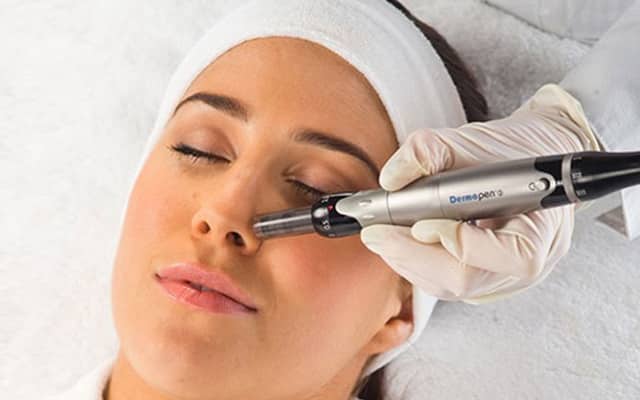
From 280,00 PLN
The Dermapen 4.0 treatment is an innovative way to rejuvenate and improve skin condition through minimally invasive microneedling.
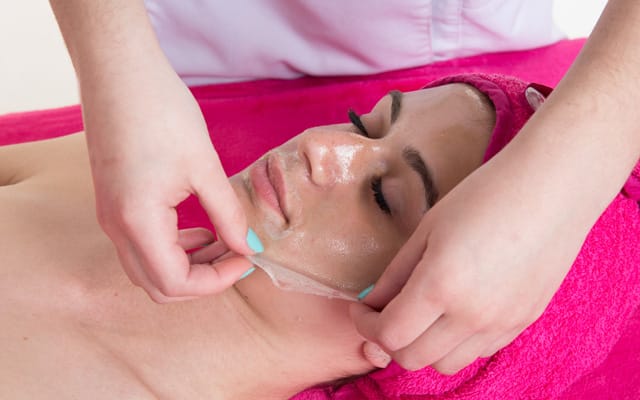
From 400,00 PLN
Anti-aging peels effortlessly smooth fine lines and wrinkles, reduce age spots, and rejuvenate skin with visible imperfections. They promote deep renewal, restoring a more youthful, even-toned, and radiant complexion.
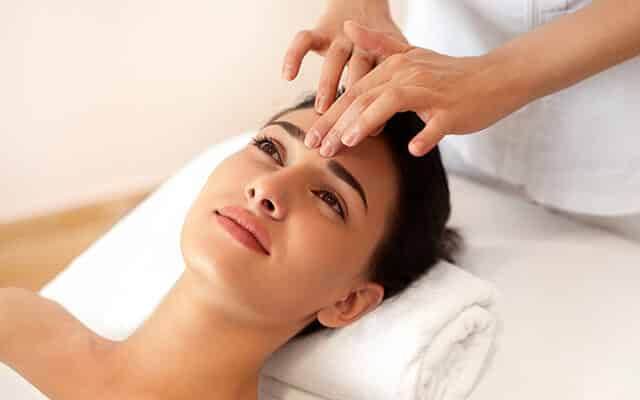
From 300,00 PLN
Kobido Massage at INVICTA Clinic – Natural Facelift Without Needles
It rejuvenates, firms the skin, and helps reduce muscle tension and facial puffiness.
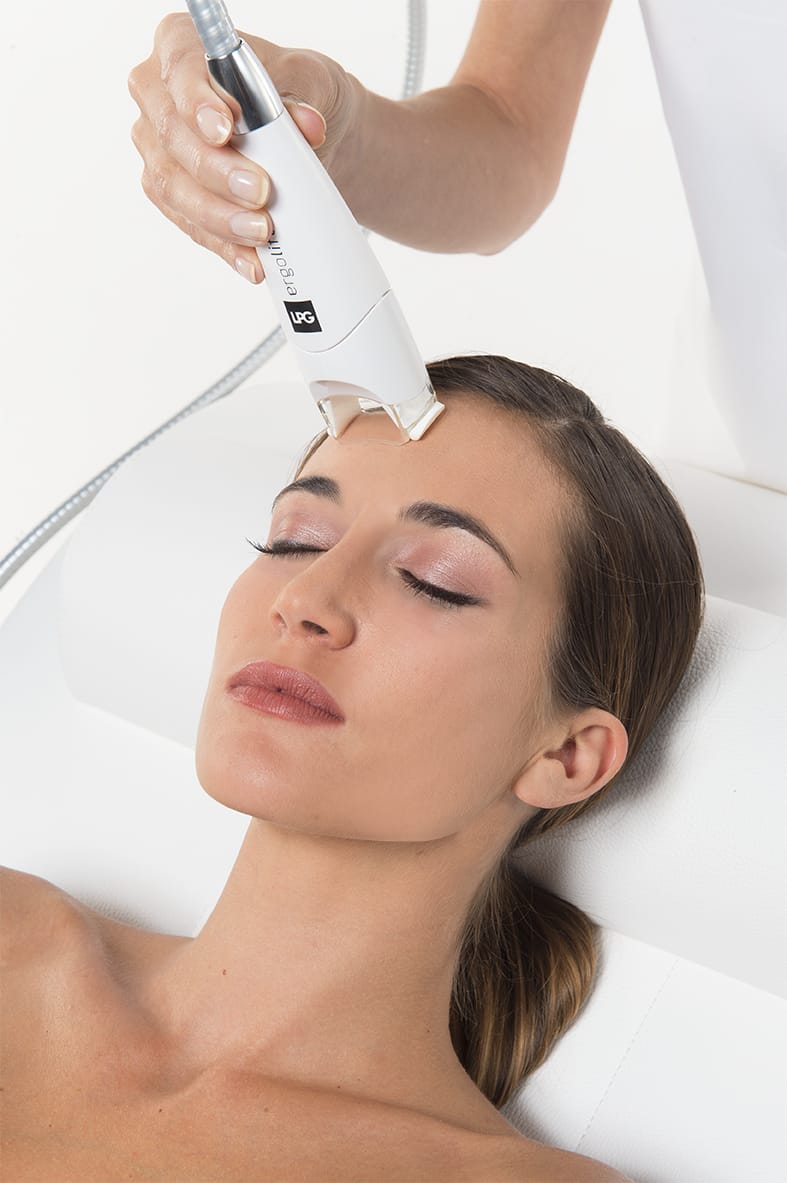
From 230,00 PLN
Endermolift – a non-invasive, natural facelift treatment that boosts collagen production, smooths out wrinkles, firms the skin, enhances radiance, and detoxifies.
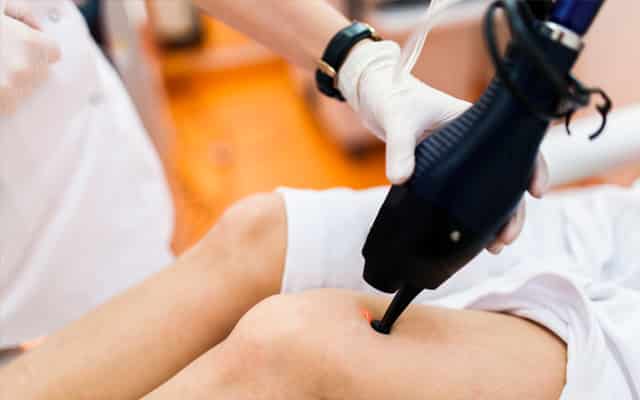
From 200,00 PLN
Laser therapy is an effective way to treat skin discoloration.
The laser light targets and corrects pigment spots, helping to restore a more even and uniform skin tone.
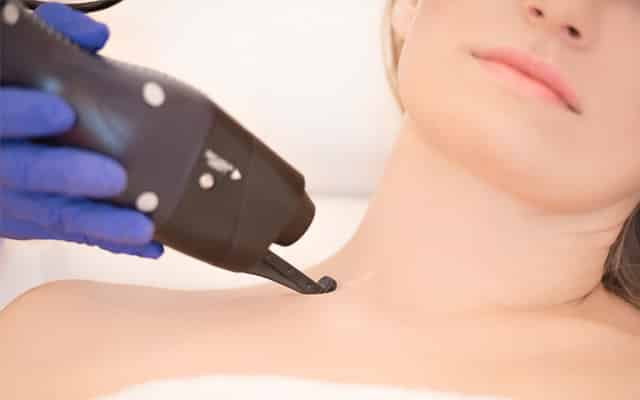
From 650,00 PLN
CO2 laser skin rejuvenation is a highly effective treatment for smoothing out imperfections and addressing the first visible signs of aging.
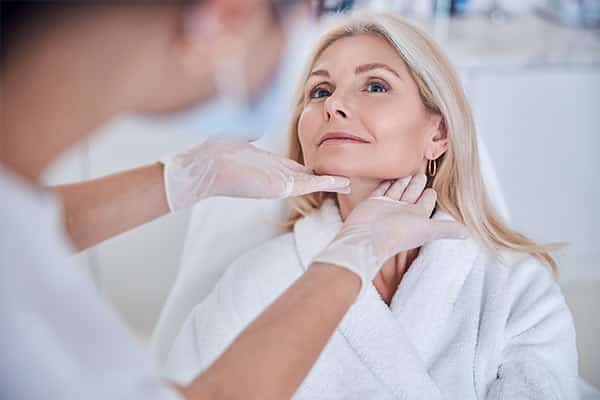
From 400,00 PLN
Botox is your go-to solution for reducing expression lines on the forehead, around the eyes, nose, and lips

From 1200,00 PLN
Biostimulators are specialized products used in anti-aging treatments.
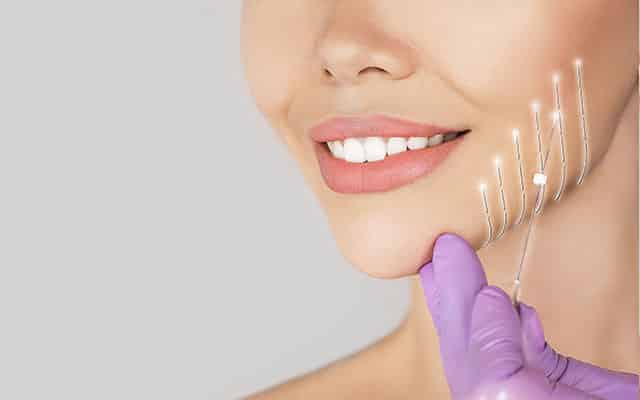
From 900,00 PLN
PDO threads provide a non-surgical lift and skin revitalization—firmness, smoothness, and natural rejuvenation in just 60 minutes!

1500,00 PLN
Lift-Booster Firming Mesotherapy is an advanced aesthetic treatment designed to deeply regenerate and hydrate the skin.

From 700,00 PLN
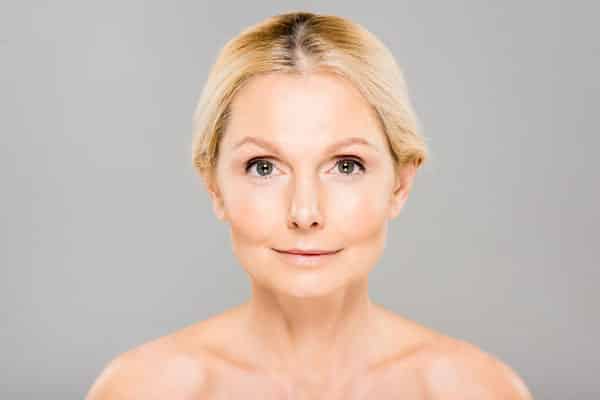
Mesoskin is INVICTA’s signature PRP mesotherapy method — a proprietary treatment protocol developed in our own laboratory.
From 800,00 PLN
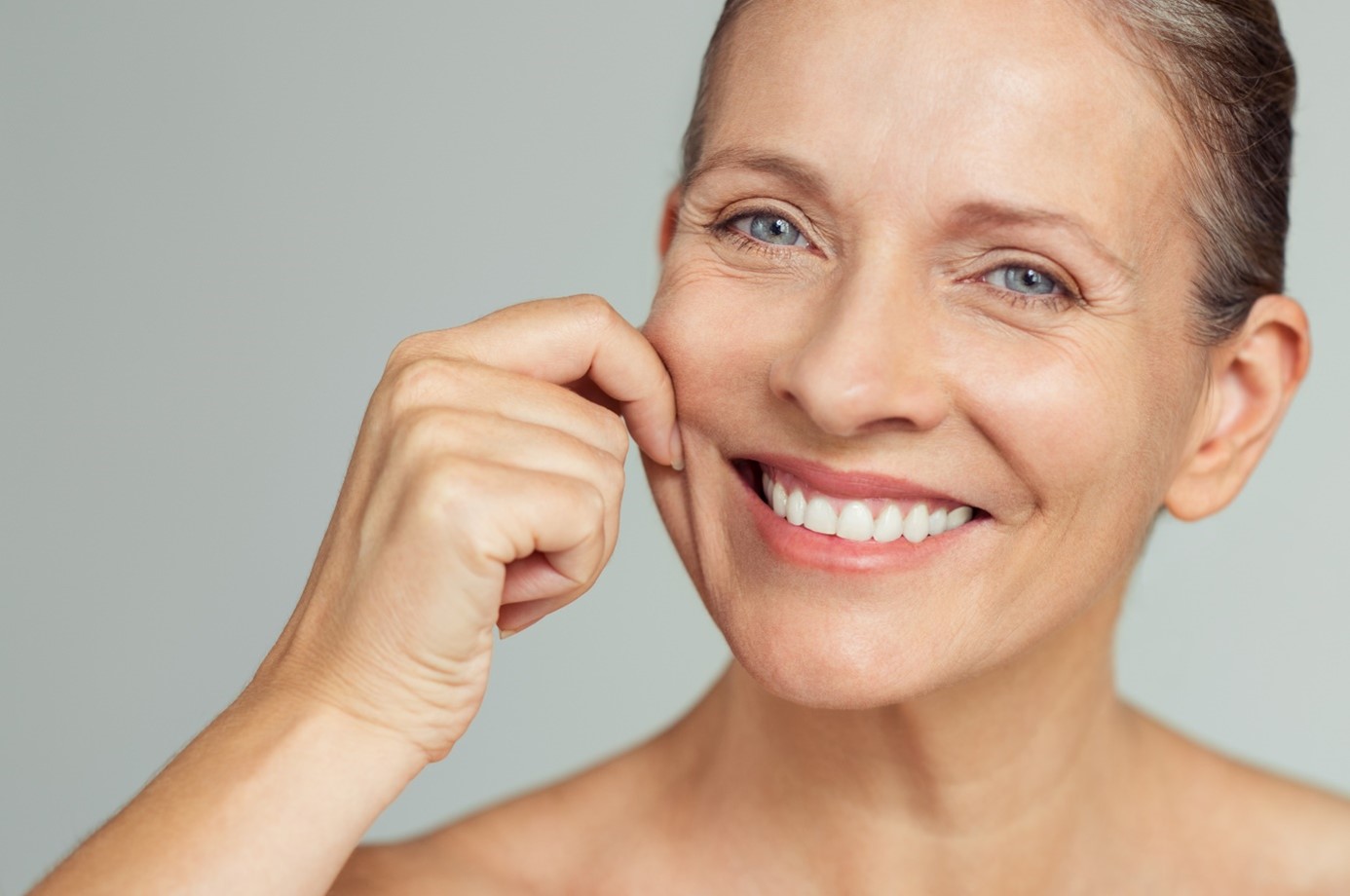
The goal of platelet-rich fibrin (PRF) mesotherapy is to stimulate the skin’s natural regeneration processes. The treatment activates collagen production and cellular renewal, leading to visibly healthier, more radiant skin.
From 650,00 PLN
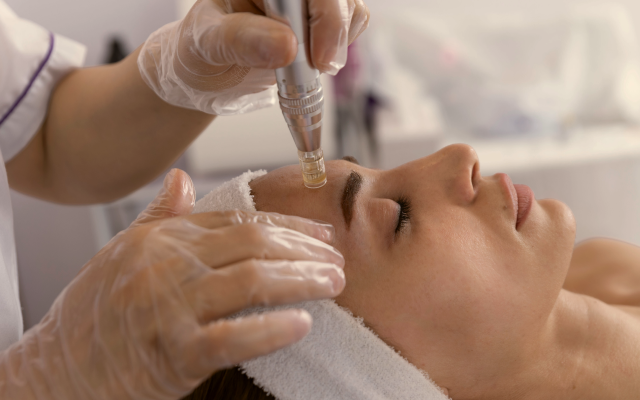
Anti-Aging Mesotherapy stimulates skin regeneration and helps prevent the signs of aging.
It features a powerful blend of 59 revitalizing ingredients.
From 600,00 PLN
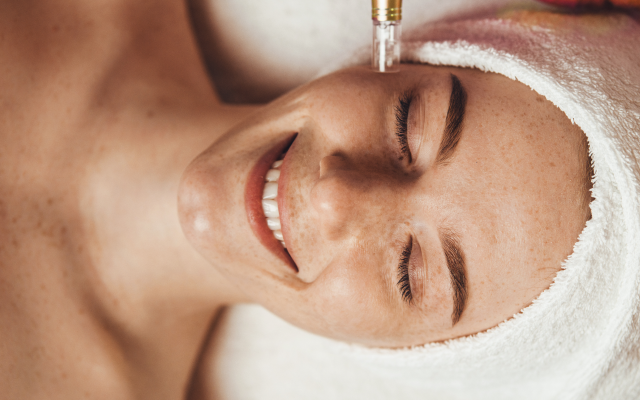
Revitalizing mesotherapy is a treatment designed for those whose skin needs deep hydration and nourishment. It's suitable for patients of all ages and helps improve skin tone, texture, and overall radiance.
1000,00 PLN
Hydrating mesotherapy, rich in hyaluronic acid, is an ideal solution for mature skin showing signs of dehydration.
From 700,00 PLN
Radiofrequency is a non-invasive treatment designed to improve skin firmness, smooth out scars and age spots, and visibly reduce the appearance of stretch marks.