-
INVICTA Group Services
chevron_left Backclose
INVICTA Group Services
- INVICTA Group
- INVICTA Clinics
- Medical Laboratories
- Fertility Bank
-
Anti-Aging Clinic
- R&D Centre
- NAMI
Non-ablative resurfacing uses advanced Nd:YAG laser technology to stimulate the skin’s natural regeneration and remodeling processes. The laser promotes the formation of new collagen and elastin fibers while also tightening existing collagen structures. The procedure is safe and painless — patients typically feel an intense warming sensation, but no micro-damage is caused to the skin surface.
You can apply makeup immediately after the treatment.
Podaj dane potrzebne do przedstawienia oferty cenowej na zabieg:
Perceptibility
Duration
30-45 min
Recovery time
none
Number of treatments in a series
2-4
6 months before the treatment:
Discontinue any treatment with Roaccutane, Accutane, tretinoin, or isotretinoin.
3 weeks before the treatment:
Stop using skincare products containing acids, herbal ingredients, as well as certain medications and supplements.
24 hours before the treatment:
Avoid consuming alcohol and using skincare products or toners that contain alcohol.
This treatment is intended for individuals looking to reduce wrinkles, improve skin texture, and achieve a lifting and brightening effect.
STEP I: Skin cleansing and eye protection using safety goggles.
STEP II: Heating the deeper layers of the skin with an Nd:YAG laser to stimulate the production of new collagen fibers and firm existing ones.
STEP III: The treatment continues until the patient reaches their heat tolerance threshold. It can be combined with other procedures, such as CPL or ablative CO₂ fractional laser therapy.
ETAP III: Zabieg wykonywany do odczucia granicznego ciepła, możliwe łączenie z innymi procedurami jak CPL czy laser frakcyjny CO2 ablacyjny.
The treatment is most effective when repeated in a series of 2 to 4 sessions, spaced 4 to 6 weeks apart.
If skin irritation occurs, apply a soothing and cooling cream as recommended.
It’s also important to protect the treated areas from sun exposure by using high-SPF sunscreen for at least 2 weeks after each session.
Contraindications include recent botulinum toxin or filler injections in the treatment area (a minimum 1-week interval is required), as well as pregnancy, breastfeeding, vitiligo, tumors, cancer, severe skin hypersensitivity, or uncontrolled diabetes. The procedure should also be avoided in cases of diarrhea, vomiting, infectious diseases, sunburn, active herpes, or a tendency to develop keloid scars. Patients using photosensitizing medications or with hypersensitivity to light, recent tanning, a pacemaker, insulin pump, or metal implants are also not eligible. Additional contraindications include thrombosis, phlebitis, bruising, broken skin, epilepsy, and both high and low blood pressure.
We will call you back to arrange a convenient date for you
meet our expert


No, the treatment is painless — you’ll only feel an intense warming sensation on the skin.
The treatment requires no downtime — you can return to your regular activities immediately after the procedure.
The treatment usually takes between 30 minutes and 1 hour, depending on the area being treated.
Mild redness and slight swelling may occur, but these symptoms usually subside within a few hours after the treatment.
This treatment uses chemical solutions — such as glycolic acid, salicylic acid, or trichloroacetic acid — to exfoliate the outer layers of the skin. It helps reduce fine lines, pigmentation, and improves overall skin texture.
Microneedling with Radiofrequency (RF Microneedling):
A combination of microneedling and radiofrequency energy stimulates collagen and elastin production. It enhances skin firmness and elasticity while effectively reducing scars, fine lines, and wrinkles.
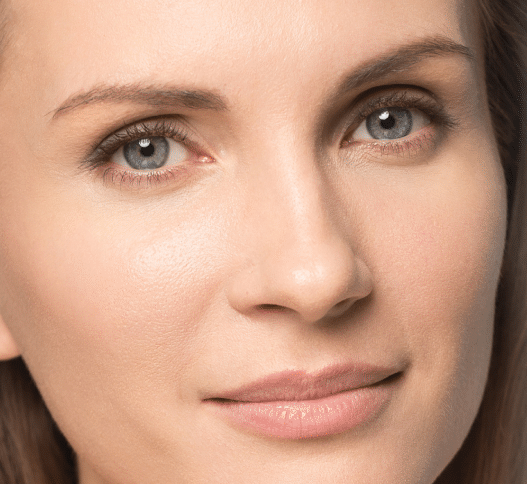
From 300,00 PLN
Effectively removing visible blood vessels restores smoothness to the skin by reducing redness and evening out skin tone.
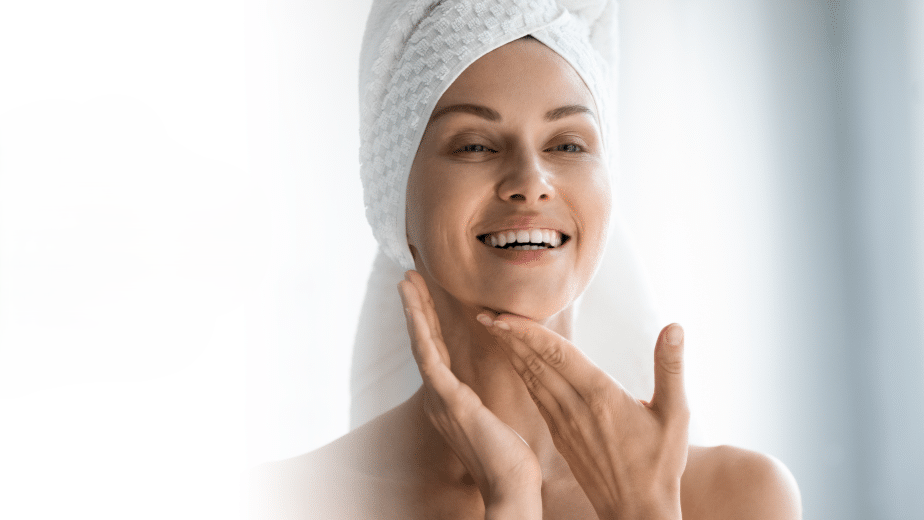
400,00 PLN
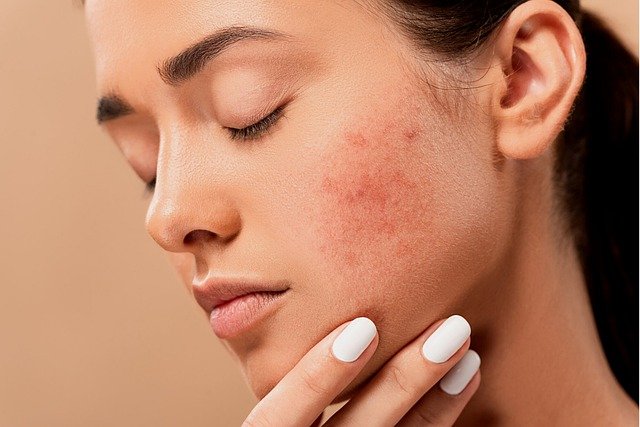
Laser therapy is a proven and effective way to reduce redness on the face, neck, or chest. This treatment is especially recommended for individuals with couperose (vascular) or sensitive skin prone to visible capillaries.
From 550,00 PLN
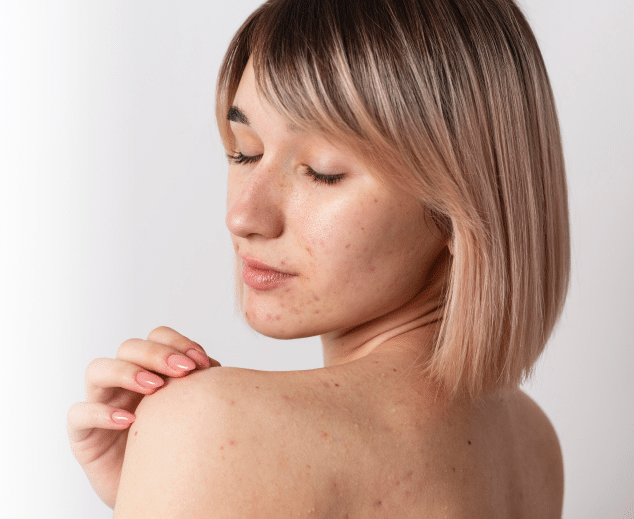
An effective treatment that reduces inflammation, speeds up skin regeneration, and helps fade post-acne discoloration.

From 400,00 PLN
Pain-free, no-downtime skin rejuvenation. It smooths wrinkles, boosts elasticity, and gives your skin a healthy, radiant glow.
From 350,00 PLN
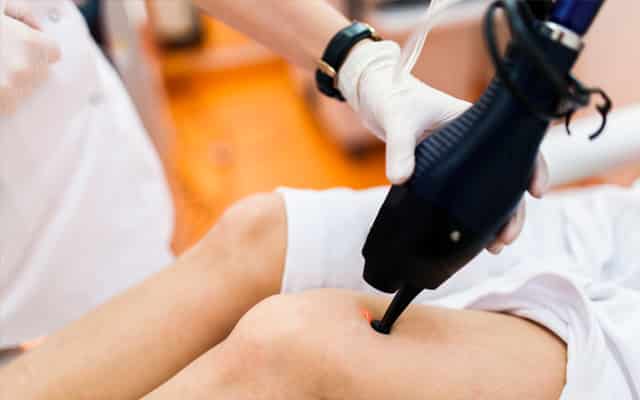
The laser stretch mark and scar removal procedure works by delivering controlled laser energy to the skin, which stimulates the regeneration of its deeper structures.
From 200,00 PLN
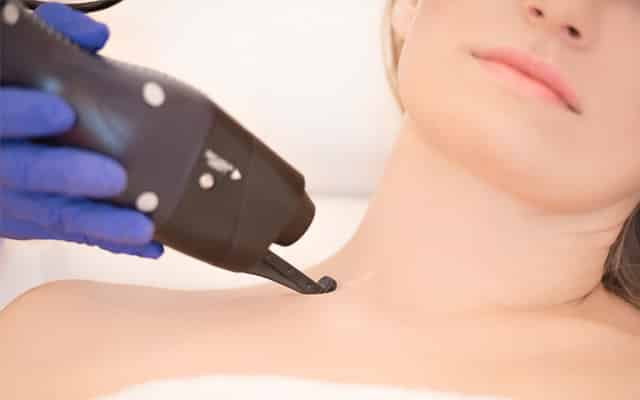
Laser therapy is an effective way to treat skin discoloration.
The laser light targets and corrects pigment spots, helping to restore a more even and uniform skin tone.
From 650,00 PLN
CO2 laser skin rejuvenation is a highly effective treatment for smoothing out imperfections and addressing the first visible signs of aging.
300,00 PLN
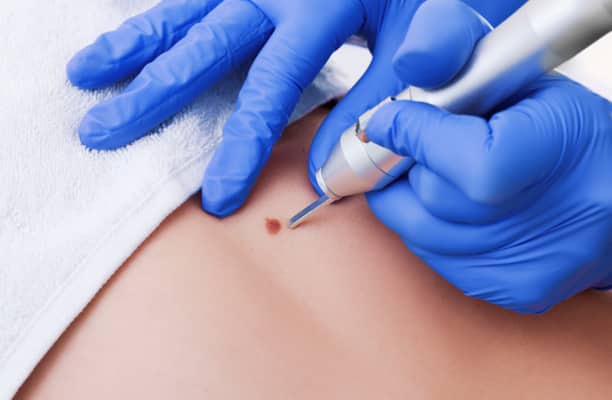
Laser removal of skin imperfections (such as moles, warts, and skin tags) is an effective and non-invasive treatment option.