-
INVICTA Group Services
chevron_left Backclose
INVICTA Group Services
- INVICTA Group
- INVICTA Clinics
- Medical Laboratories
- Fertility Bank
-
Anti-Aging Clinic
- R&D Centre
- NAMI
Blepharoplasty, or eyelid surgery, is a surgical procedure performed for both aesthetic and medical reasons.
It can be applied to the upper or lower eyelids and involves the removal of excess skin and subcutaneous tissue—and, depending on the individual case, parts of the orbicularis oculi muscle and surrounding fat tissue. For upper eyelid correction, the incision is made along the natural crease of the eyelid, extending slightly outward toward the crow’s feet area. For lower eyelids, the incision runs just below the lash line, continuing toward the outer edge of the eye. Thanks to the precision of an advanced radiosurgical blade, the healing process is faster than with traditional methods, the scar is barely visible, and bruising and swelling occur very rarely.
Podaj dane potrzebne do przedstawienia oferty cenowej na zabieg:
Perceptibility
Duration
90 min
Recovery time
7 days
Number of treatments in a series
1
Blepharoplasty is intended for individuals who struggle with:
Both younger and more mature patients may be eligible for the procedure. The treatment must be preceded by a specialist consultation, during which the doctor will assess the condition of the skin and develop a personalized surgical plan.
STEP I: Disinfection
STEP II: Marking the treatment area
STEP III: Local anesthesia
STEP IV: Surgical procedure
STEP V: Suturing and dressing application
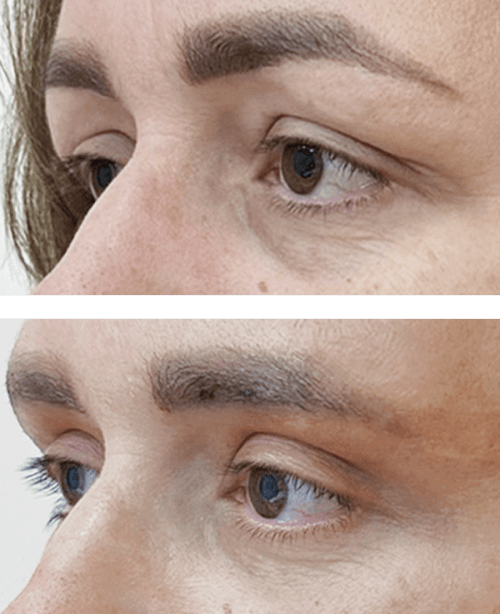
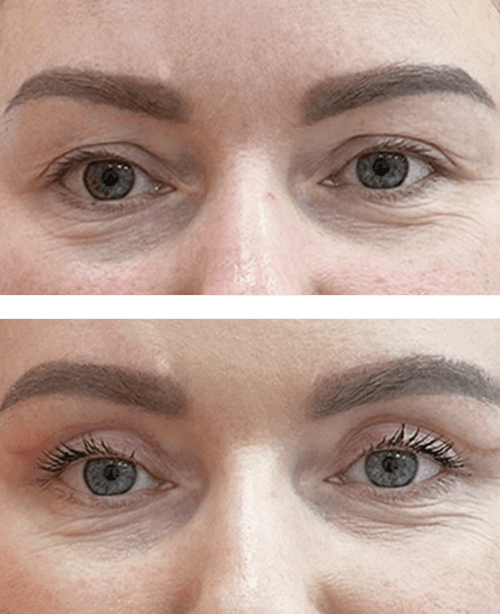
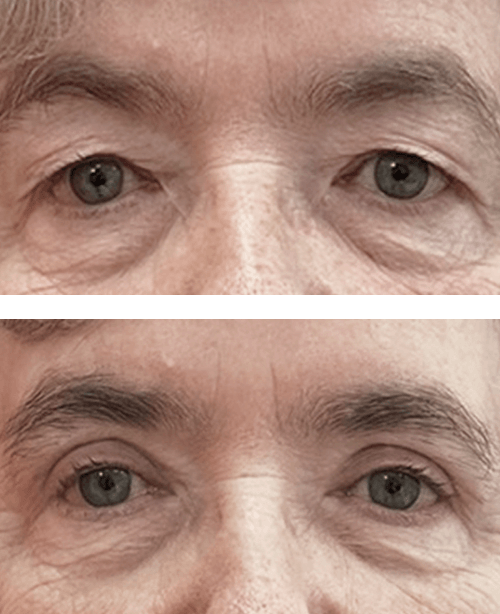
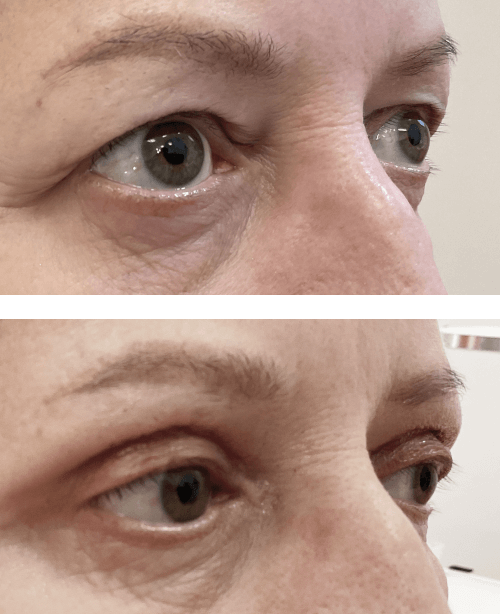
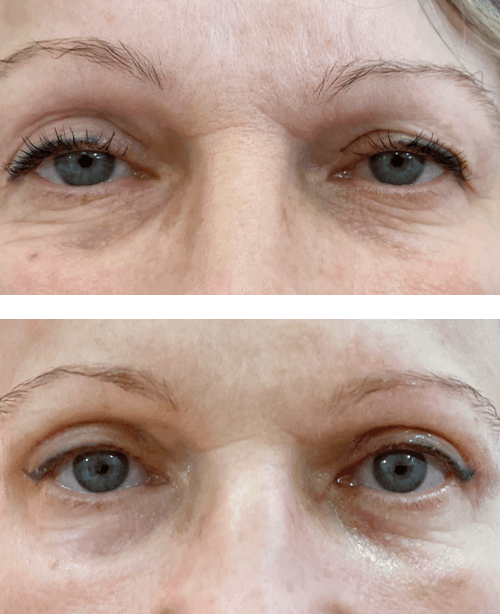
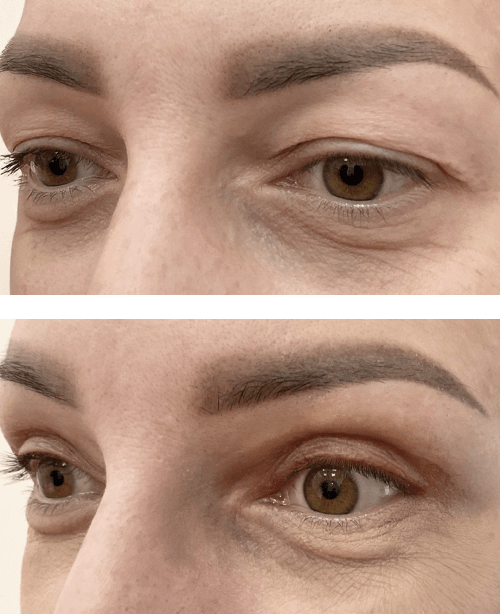
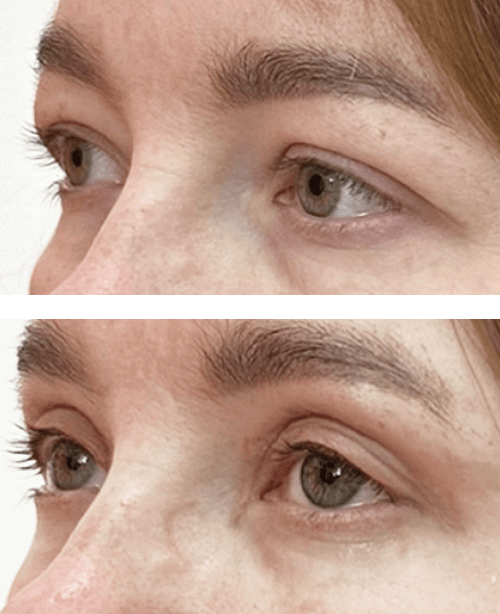
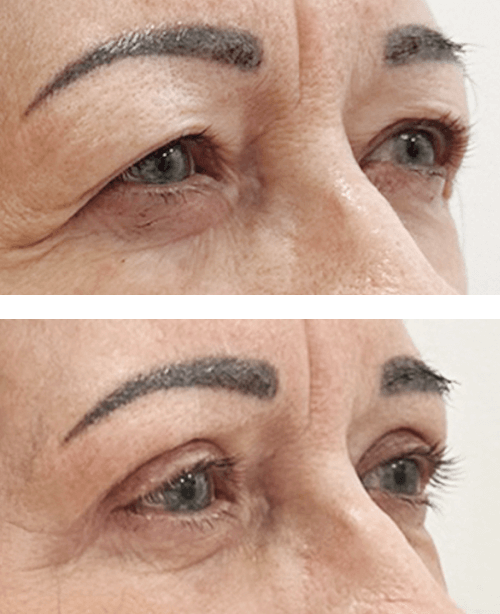
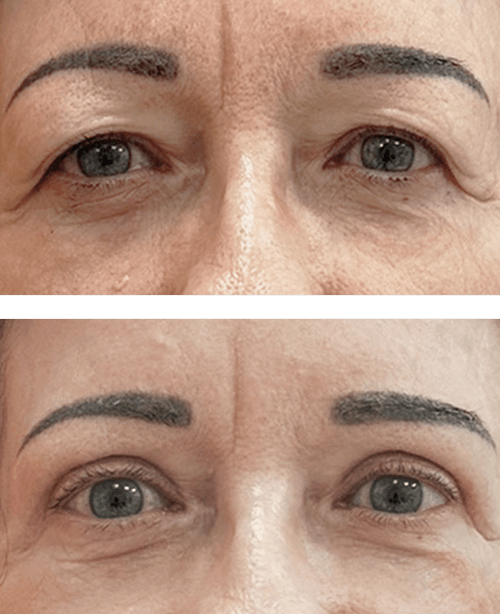
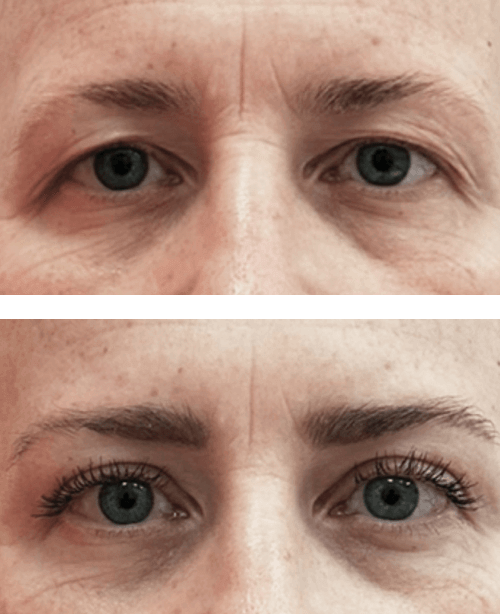
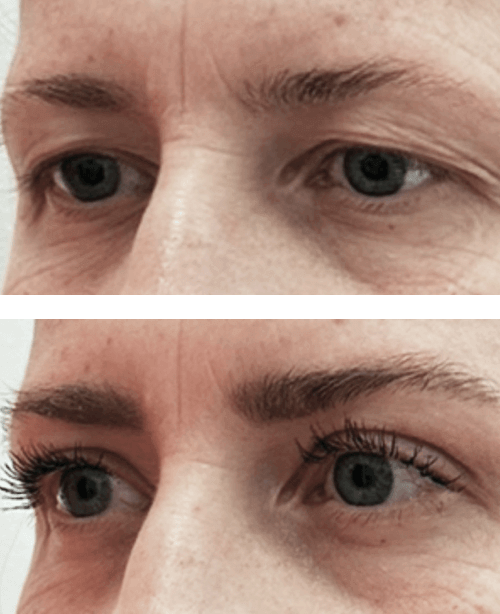
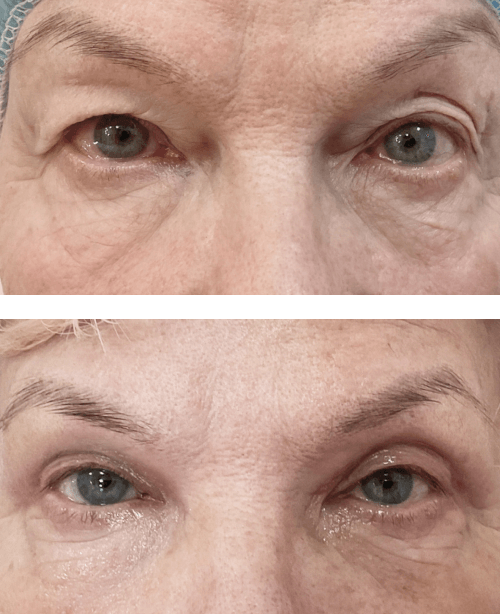
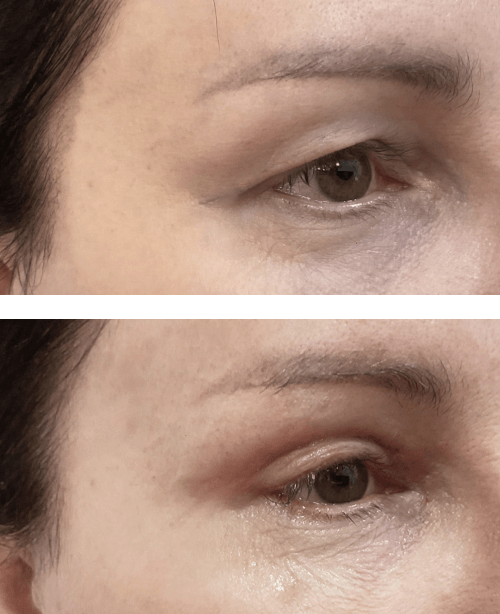
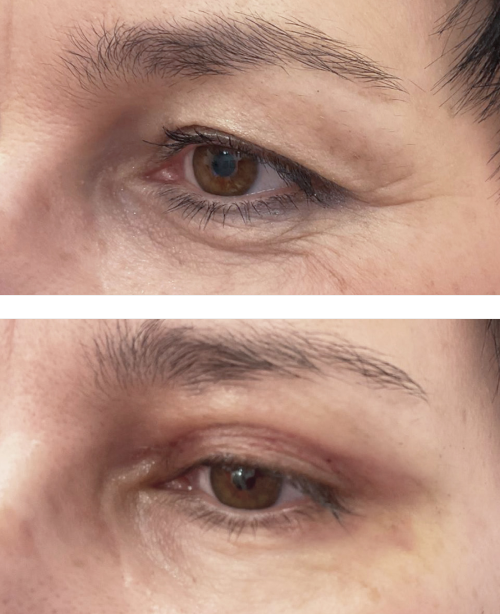
The result of eyelid correction surgery is a visibly rejuvenated eye area, achieved by reducing under-eye bags and other imperfections.
Blepharoplasty removes excess skin, helping to “open up” the eyes and significantly improve the field of vision. By addressing both the upper and lower eyelids, the skin becomes firmer and the eyes appear more rested and refreshed.
Eyelid surgery is not recommended for women who are pregnant or breastfeeding. Other contraindications include allergies to local anesthetics, blood clotting disorders, and the use of anticoagulant medications derived from acetylsalicylic acid (e.g. aspirin-based drugs).
Patients with certain eye conditions, severe systemic diseases, major organ failure, or uncontrolled chronic illnesses—such as diabetes or hypertension—are also not eligible for the procedure.
Those with active skin infections in the eyelid area, systemic illnesses, a tendency to form keloid scars, or mental health disorders should not undergo blepharoplasty. The procedure is also contraindicated for patients who have recently undergone chemotherapy or have taken antibiotics within the month prior to surgery.
Note: Menstruation does not disqualify you from having the procedure.
You’ll receive a professional assessment of your eligibility for the procedure — with no obligation.
Meet Our Expert


Blepharoplasty, or eyelid surgery, is generally considered a safe and routine procedure when performed by a qualified and experienced surgeon. Like any surgery, it does carry some risks—such as infection, bleeding, scarring, or temporary vision issues—but serious complications are rare. Most patients recover well and are satisfied with the results, especially when they follow pre- and post-operative care instructions carefully.
It varies from person to person, but with a healthy lifestyle and proper skincare around the eyes, the results can last up to 10 years or even longer.
The procedure can include both upper and lower eyelid surgery on the same day, but it’s important to keep in mind that it will take longer. Staying in one position for around three hours can be uncomfortable for the patient.
Thanks to the use of a radiosurgical knife, the surgeon can make highly precise incisions, which promotes faster wound healing. As a result, the scar is usually minimal and barely noticeable.
Yes, the follow-up visit after upper and lower eyelid surgery, as well as suture removal, are included in the price of the procedure.

From 5500,00 PLN
Looking to get rid of a double chin and restore a more youthful appearance?
A chin lift treatment is the perfect solution!

From 5000,00 PLN
Effective wrinkle reduction and a more youthful facial appearance.

From 5000,00 PLN
Lip lift – a surgical procedure that lifts the lips without the use of fillers.

From 2500,00 PLN
Otoplasty is a procedure that effectively improves the shape and position of the ears, restoring a natural and symmetrical appearance.